


Whole grain-rich diet reduces body weight and systemic low-grade inflammation without inducing major changes of the gut microbiome: a randomised cross-over trial
- PMID: 29097438
- PMCID: PMC6839833
- DOI: 10.1136/gutjnl-2017-314786
Whole grain-rich diet reduces body weight and systemic low-grade inflammation without inducing major changes of the gut microbiome: a randomised cross-over trial
Abstract
Objective: To investigate whether a whole grain diet alters the gut microbiome and insulin sensitivity, as well as biomarkers of metabolic health and gut functionality.
Design: 60 Danish adults at risk of developing metabolic syndrome were included in a randomised cross-over trial with two 8-week dietary intervention periods comprising whole grain diet and refined grain diet, separated by a washout period of ≥6 weeks. The response to the interventions on the gut microbiome composition and insulin sensitivity as well on measures of glucose and lipid metabolism, gut functionality, inflammatory markers, anthropometry and urine metabolomics were assessed.
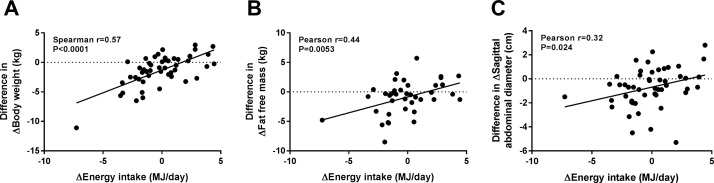
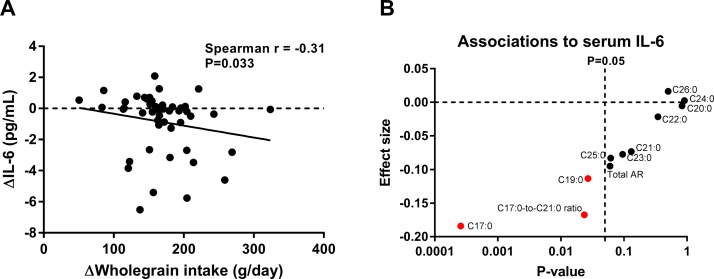
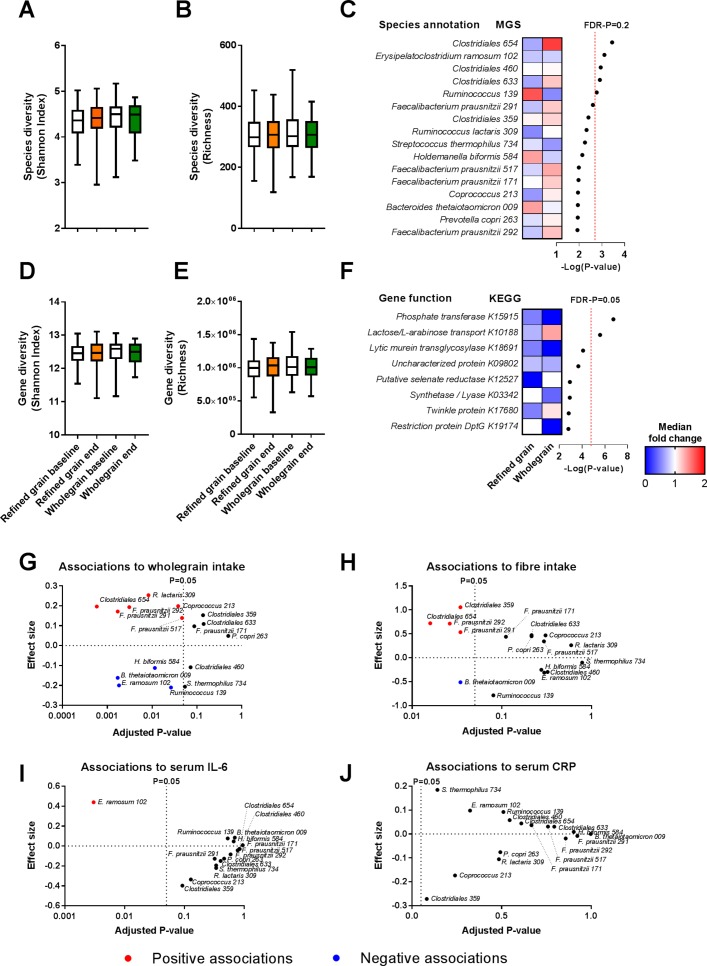
Results: 50 participants completed both periods with a whole grain intake of 179±50 g/day and 13±10 g/day in the whole grain and refined grain period, respectively. Compliance was confirmed by a difference in plasma alkylresorcinols (p<0.0001). Compared with refined grain, whole grain did not significantly alter glucose homeostasis and did not induce major changes in the faecal microbiome. Also, breath hydrogen levels, plasma short-chain fatty acids, intestinal integrity and intestinal transit time were not affected. The whole grain diet did, however, compared with the refined grain diet, decrease body weight (p<0.0001), serum inflammatory markers, interleukin (IL)-6 (p=0.009) and C-reactive protein (p=0.003). The reduction in body weight was consistent with a reduction in energy intake, and IL-6 reduction was associated with the amount of whole grain consumed, in particular with intake of rye.
Conclusion: Compared with refined grain diet, whole grain diet did not alter insulin sensitivity and gut microbiome but reduced body weight and systemic low-grade inflammation.
Trial registration number: NCT01731366; Results.
Keywords: colonic microflora; diet; immune response; inflammation; obesity.
© Article author(s) (or their employer(s) unless otherwise stated in the text of the article) 2019. All rights reserved. No commercial use is permitted unless otherwise expressly granted.
Conflict of interest statement
Competing interests: MV Lind was partly supported by an unrestricted grant from Cereal Partners Worldwide, a joint venture between Nestlé SA and General Mills Ltd. There were no conflict of interest to declare for the other authors. Intervention products were sponsored by Kohberg, Lantmännen, AXA, Wasa, Urtekram, Finax and Doves Farm. Sponsors of grants and products played no role in the design, methods, data management and analysis nor in the decision to publish.
Figures
References
Publication types
MeSH terms
Substances
Associated data
LinkOut - more resources
Full Text Sources
Other Literature Sources
Medical
Research Materials
