Oral epithelial cells orchestrate innate type 17 responses to Candida albicans through the virulence factor candidalysin
- PMID: 29101209
- PMCID: PMC5881387
- DOI: 10.1126/sciimmunol.aam8834
Oral epithelial cells orchestrate innate type 17 responses to Candida albicans through the virulence factor candidalysin
Abstract
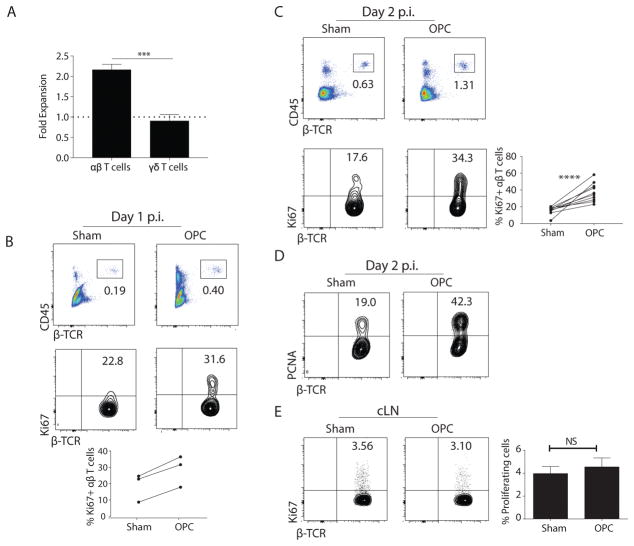
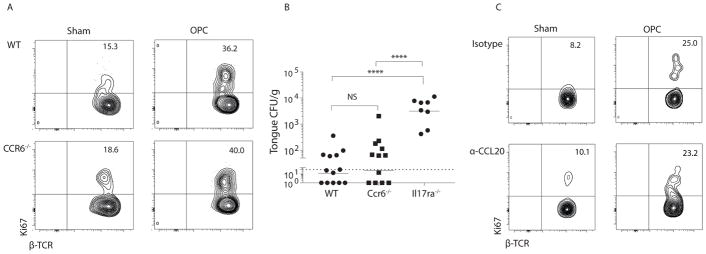
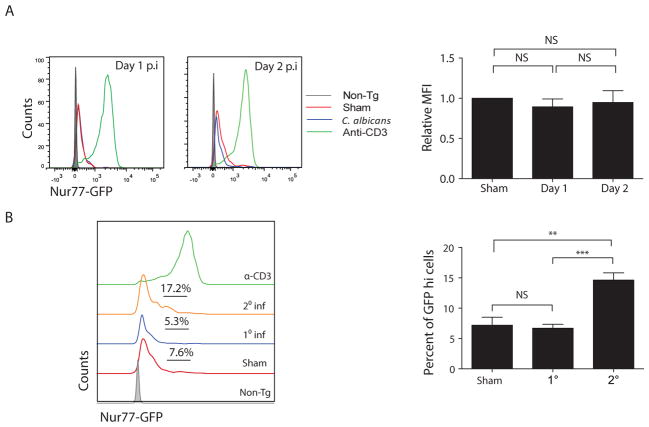
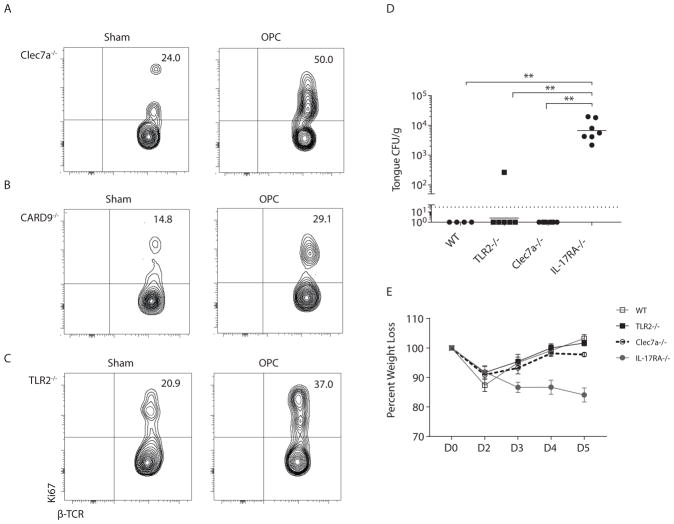
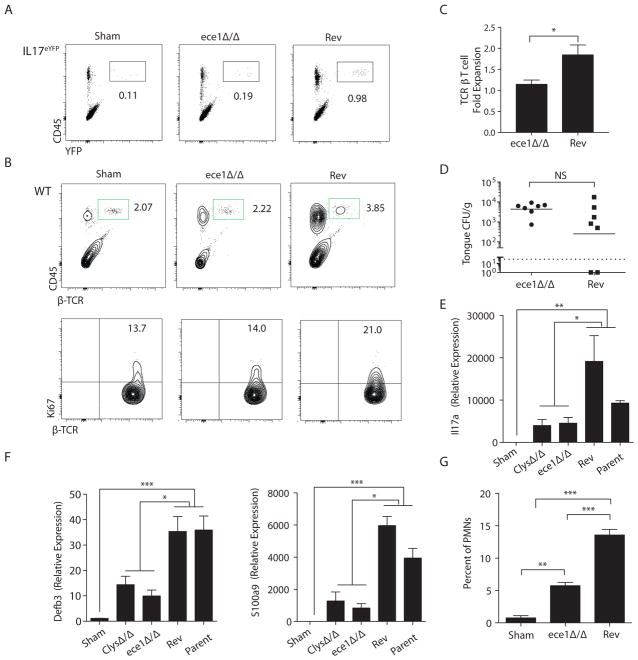
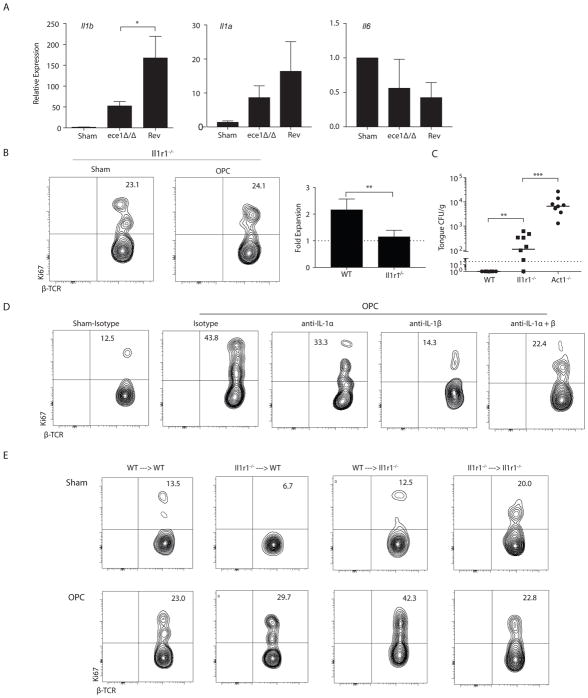
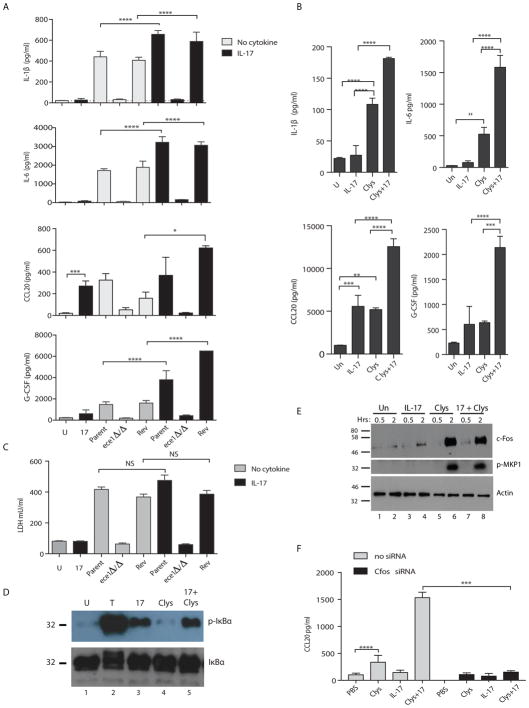
Candida albicans is a dimorphic commensal fungus that causes severe oral infections in immunodeficient patients. Invasion of C. albicans hyphae into oral epithelium is an essential virulence trait. Interleukin-17 (IL-17) signaling is required for both innate and adaptive immunity to C. albicans During the innate response, IL-17 is produced by γδ T cells and a poorly understood population of innate-acting CD4+ αβ T cell receptor (TCRαβ)+ cells, but only the TCRαβ+ cells expand during acute infection. Confirming the innate nature of these cells, the TCR was not detectably activated during the primary response, as evidenced by Nur77eGFP mice that report antigen-specific signaling through the TCR. Rather, the expansion of innate TCRαβ+ cells was driven by both intrinsic and extrinsic IL-1R signaling. Unexpectedly, there was no requirement for CCR6/CCL20-dependent recruitment or prototypical fungal pattern recognition receptors. However, C. albicans mutants that cannot switch from yeast to hyphae showed impaired TCRαβ+ cell proliferation and Il17a expression. This prompted us to assess the role of candidalysin, a hyphal-associated peptide that damages oral epithelial cells and triggers production of inflammatory cytokines including IL-1. Candidalysin-deficient strains failed to up-regulate Il17a or drive the proliferation of innate TCRαβ+ cells. Moreover, candidalysin signaled synergistically with IL-17, which further augmented the expression of IL-1α/β and other cytokines. Thus, IL-17 and C. albicans, via secreted candidalysin, amplify inflammation in a self-reinforcing feed-forward loop. These findings challenge the paradigm that hyphal formation per se is required for the oral innate response and demonstrate that establishment of IL-1- and IL-17-dependent innate immunity is induced by tissue-damaging hyphae.
Copyright © 2017 The Authors, some rights reserved; exclusive licensee American Association for the Advancement of Science. No claim to original U.S. Government Works.
Conflict of interest statement
Figures
Comment in
-
Candidalysin sets off the innate alarm.Sci Immunol. 2017 Nov 3;2(17):eaao5703. doi: 10.1126/sciimmunol.aao5703. Sci Immunol. 2017. PMID: 29101210 Free PMC article.
References
MeSH terms
Substances
Grants and funding
LinkOut - more resources
Full Text Sources
Other Literature Sources
Medical
Molecular Biology Databases
Research Materials