


Dopamine System Dysregulation in Major Depressive Disorders
- PMID: 29106542
- PMCID: PMC5716179
- DOI: 10.1093/ijnp/pyx056
Dopamine System Dysregulation in Major Depressive Disorders
Abstract
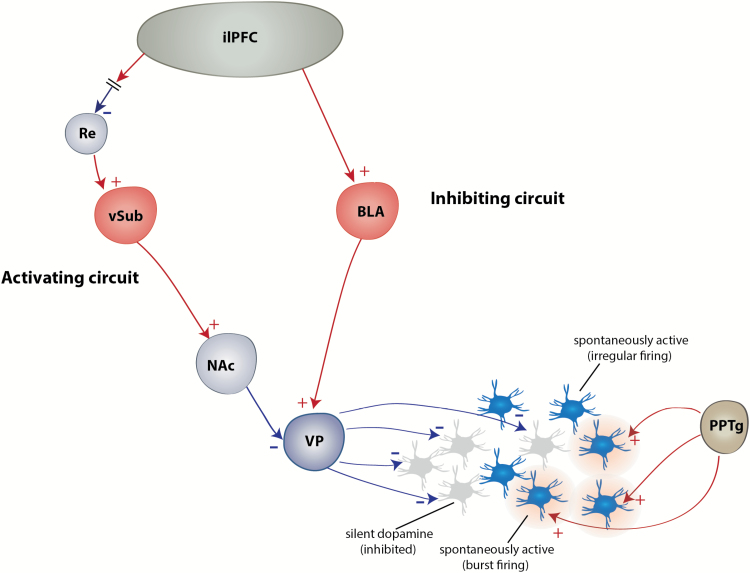
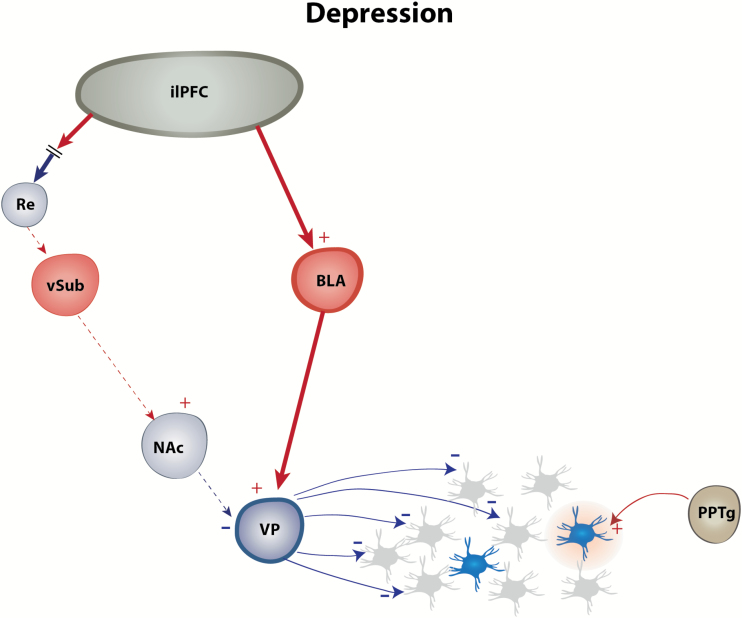
Anhedonia is considered a core feature of major depressive disorder, and the dopamine system plays a pivotal role in the hedonic deficits described in this disorder. Dopaminergic activity is complex and under the regulation of multiple brain structures, including the ventral subiculum of the hippocampus and the basolateral amygdala. Whereas basic and clinical studies demonstrate deficits of the dopaminergic system in depression, the origin of these deficits likely lies in dysregulation of its regulatory afferent circuits. This review explores the current information regarding the afferent modulation of the dopaminergic system and its relevance to major depressive disorder, as well as some of the system-level effects of novel antidepressants such as agomelatine and ketamine.
Keywords: amygdala; animal models; depression; dopamine; hippocampus; ketamine.
Published by Oxford University Press on behalf of CINP 2017. This work is written by (a) US Government employee(s) and is in the public domain in the US.
Figures
References
-
- Aggleton JP. (1993) The contribution of the amygdala to normal and abnormal emotional states. Trends Neurosci 16:328–333. - PubMed
-
- American Psychiatric Association (2013) Diagnostic and statistical manual of mental disorders. Fifth Ed American Psychiatric Association Publishing.
Publication types
MeSH terms
Substances
Grants and funding
LinkOut - more resources
Full Text Sources
Other Literature Sources
Medical
