


Phosphatidylserine save-me signals drive functional recovery of severed axons in Caenorhabditis elegans
- PMID: 29109263
- PMCID: PMC5703272
- DOI: 10.1073/pnas.1703807114
Phosphatidylserine save-me signals drive functional recovery of severed axons in Caenorhabditis elegans
Abstract
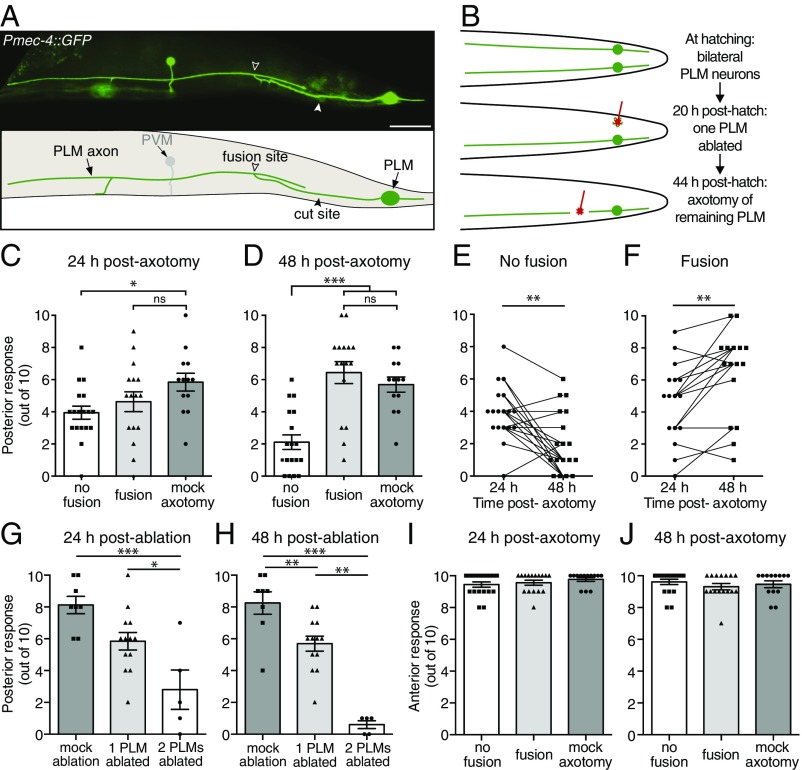
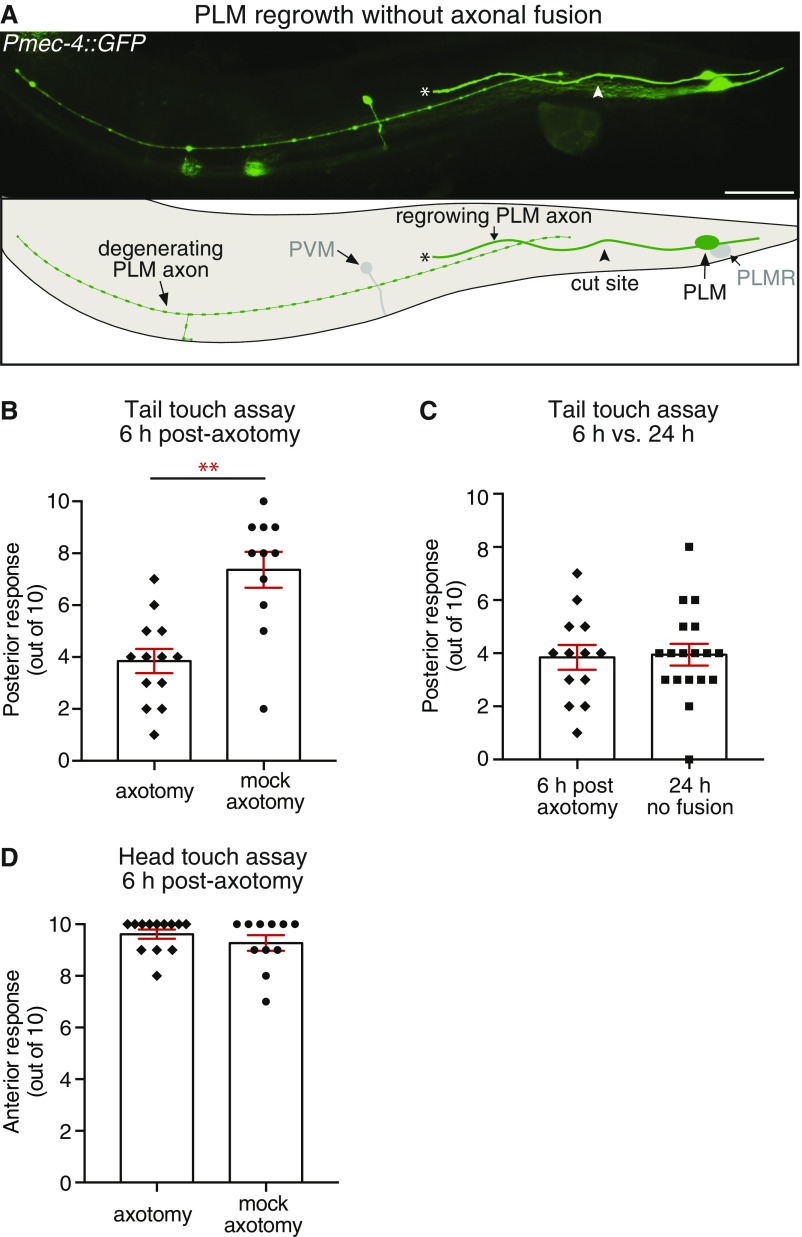
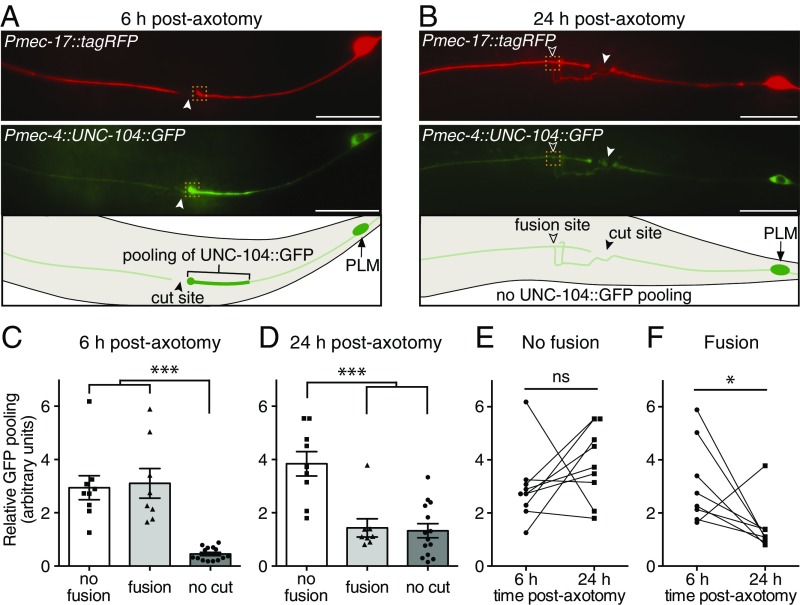
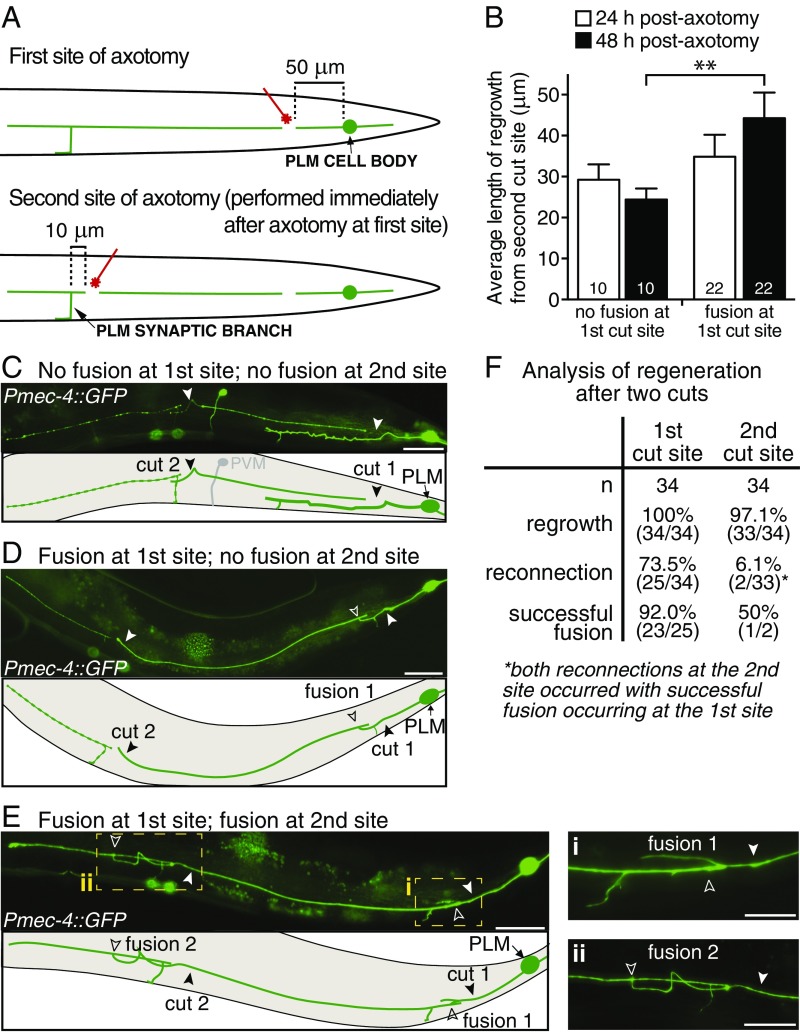
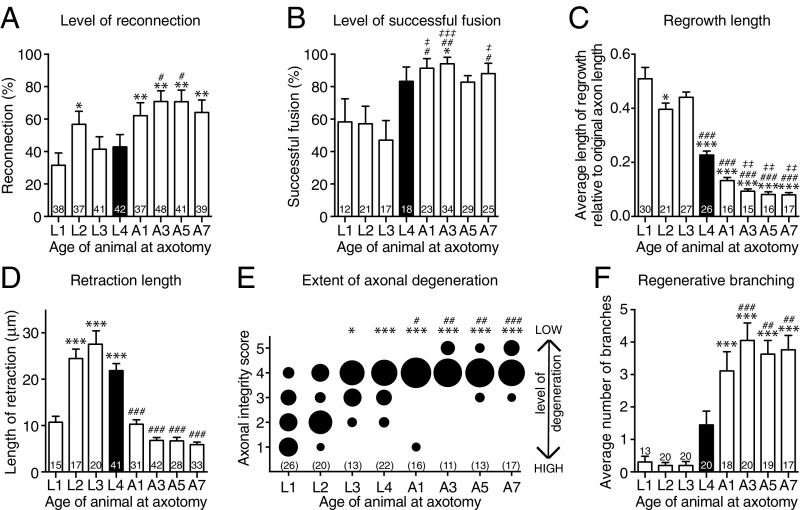
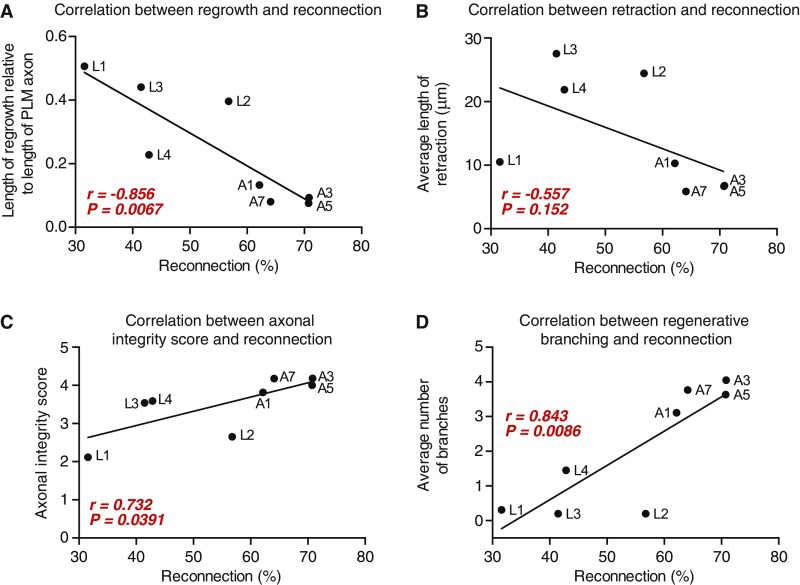
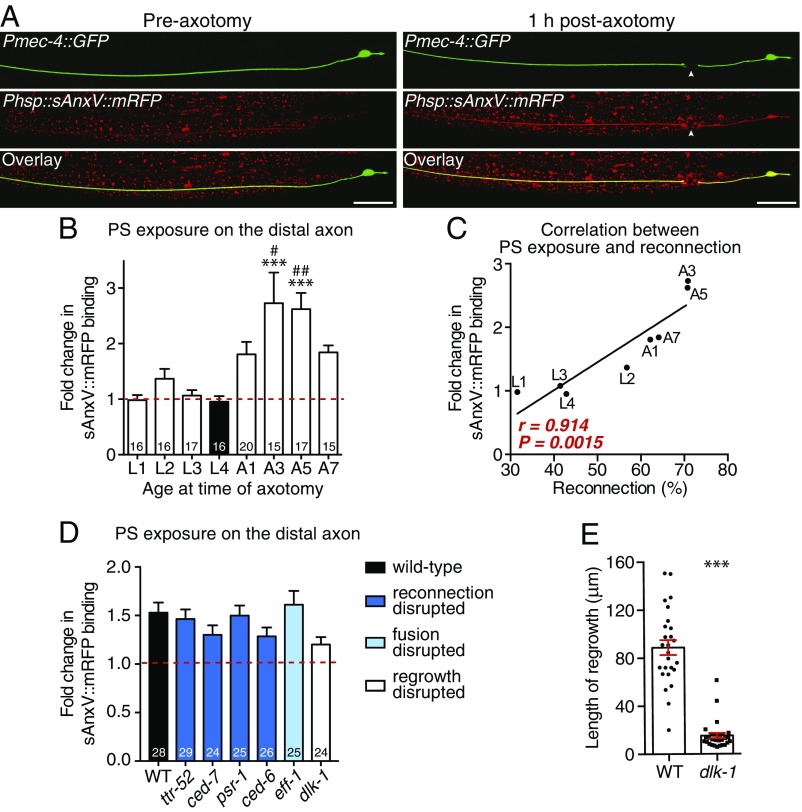
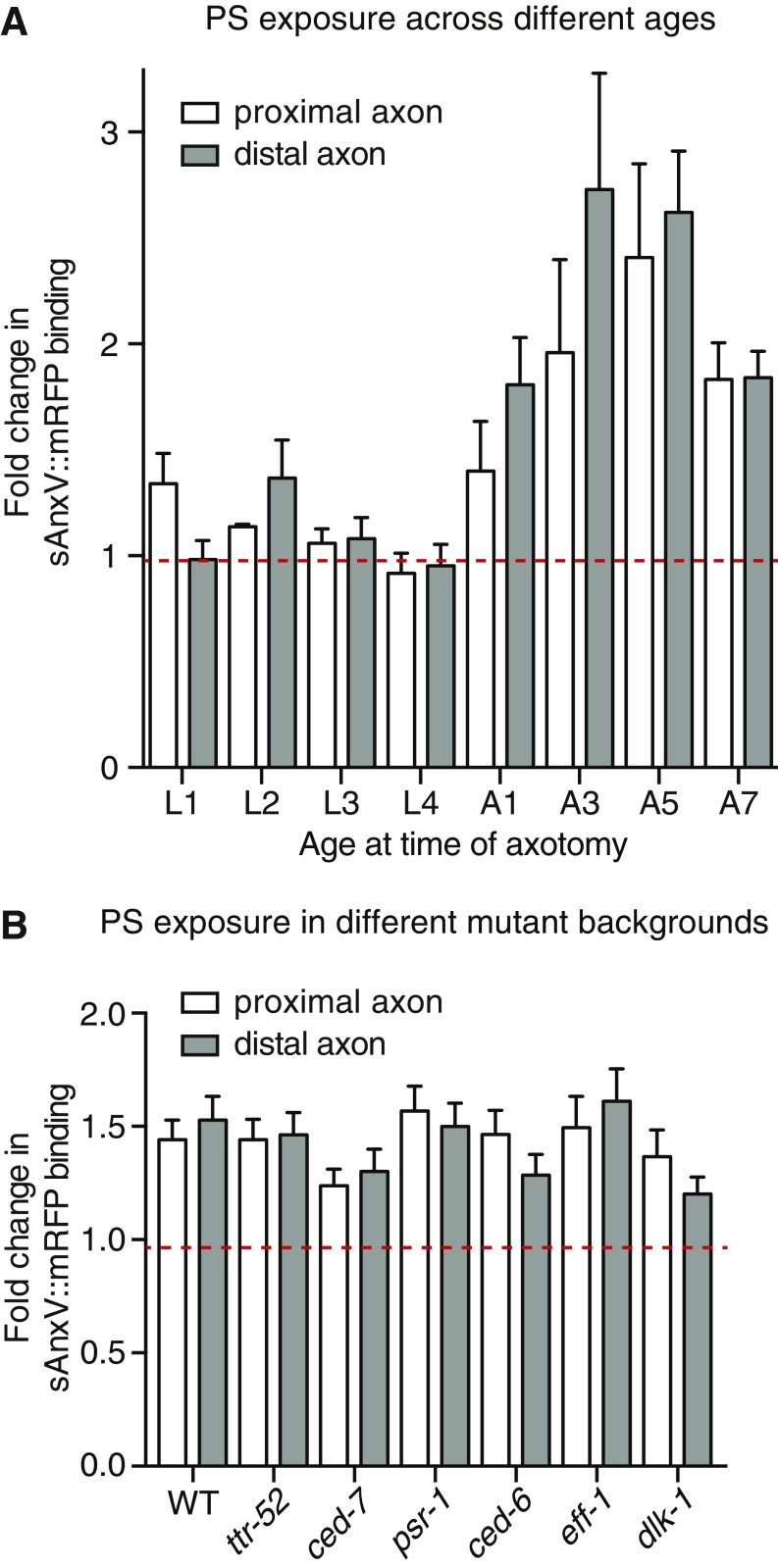
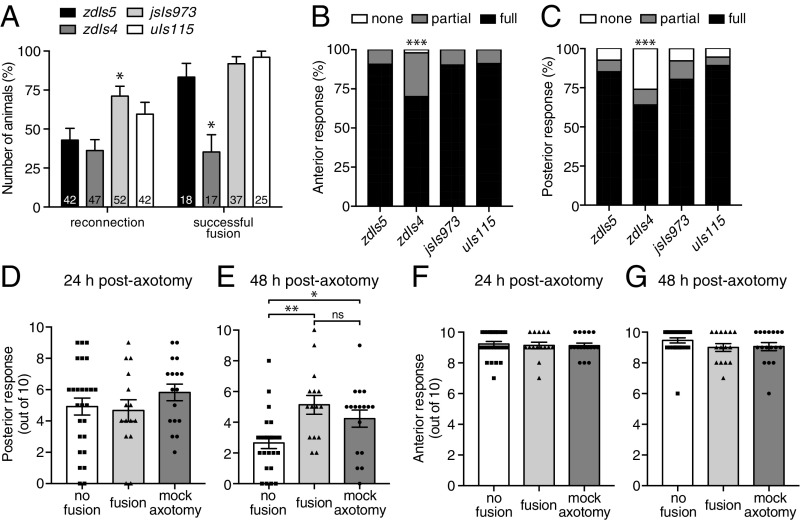
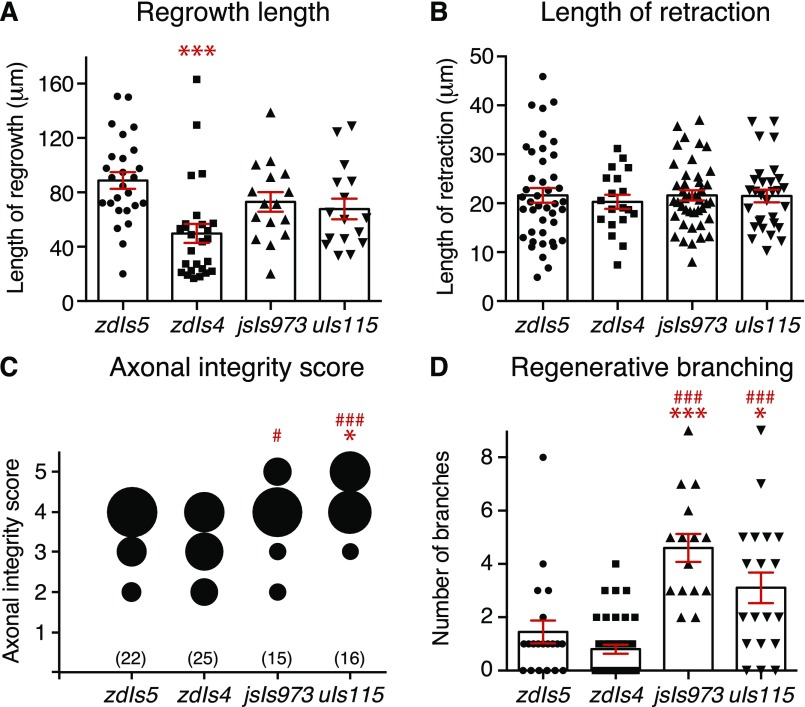
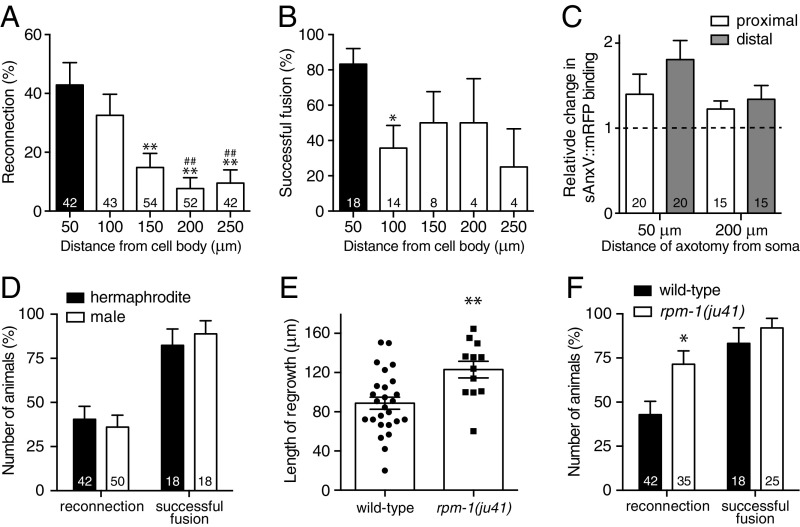
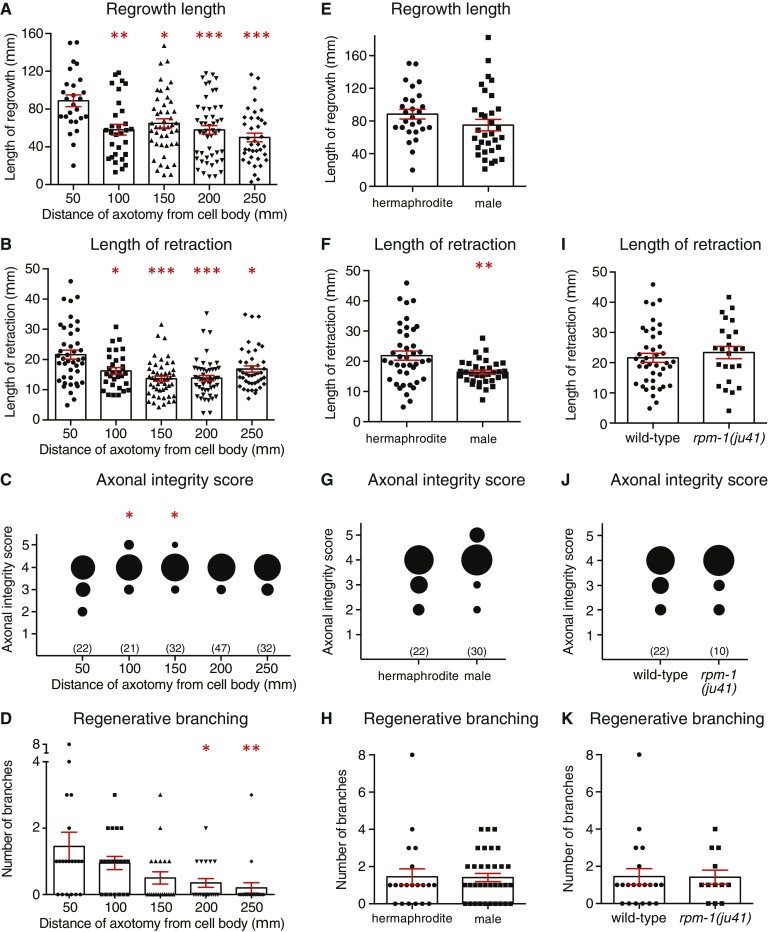
Functional regeneration after axonal injury requires transected axons to regrow and reestablish connection with their original target tissue. The spontaneous regenerative mechanism known as axonal fusion provides a highly efficient means of achieving targeted reconnection, as a regrowing axon is able to recognize and fuse with its own detached axon segment, thereby rapidly reestablishing the original axonal tract. Here, we use behavioral assays and fluorescent reporters to show that axonal fusion enables full recovery of function after axotomy of Caenorhabditis elegans mechanosensory neurons. Furthermore, we reveal that the phospholipid phosphatidylserine, which becomes exposed on the damaged axon to function as a "save-me" signal, defines the level of axonal fusion. We also show that successful axonal fusion correlates with the regrowth potential and branching of the proximal fragment and with the retraction length and degeneration of the separated segment. Finally, we identify discrete axonal domains that vary in their propensity to regrow through fusion and show that the level of axonal fusion can be genetically modulated. Taken together, our results reveal that axonal fusion restores full function to injured neurons, is dependent on exposure of phospholipid signals, and is achieved through the balance between regenerative potential and level of degeneration.
Keywords: Caenorhabditis elegans; axonal fusion; axonal regeneration; nervous system repair; phosphatidylserine.
Copyright © 2017 the Author(s). Published by PNAS.
Conflict of interest statement
The authors declare no conflict of interest.
Figures
References
-
- Yanik MF, et al. Neurosurgery: Functional regeneration after laser axotomy. Nature. 2004;432:822. - PubMed
Publication types
MeSH terms
Substances
Grants and funding
LinkOut - more resources
Full Text Sources
Other Literature Sources
