


The influence of physical activity, sedentary behavior on health-related quality of life among the general population of children and adolescents: A systematic review
- PMID: 29121640
- PMCID: PMC5679623
- DOI: 10.1371/journal.pone.0187668
The influence of physical activity, sedentary behavior on health-related quality of life among the general population of children and adolescents: A systematic review
Abstract
Background: The association between physical activity, sedentary behavior and health-related quality of life in children and adolescents has been mostly investigated in those young people with chronic disease conditions. No systematic review to date has synthesized the relationship between physical activity, sedentary behavior and health-related quality of life in the general healthy population of children and adolescents. The purpose of this study was to review systematically the existing literature that evaluated the relations between physical activity, sedentary behavior and health-related quality of life in the general population of children and adolescents.
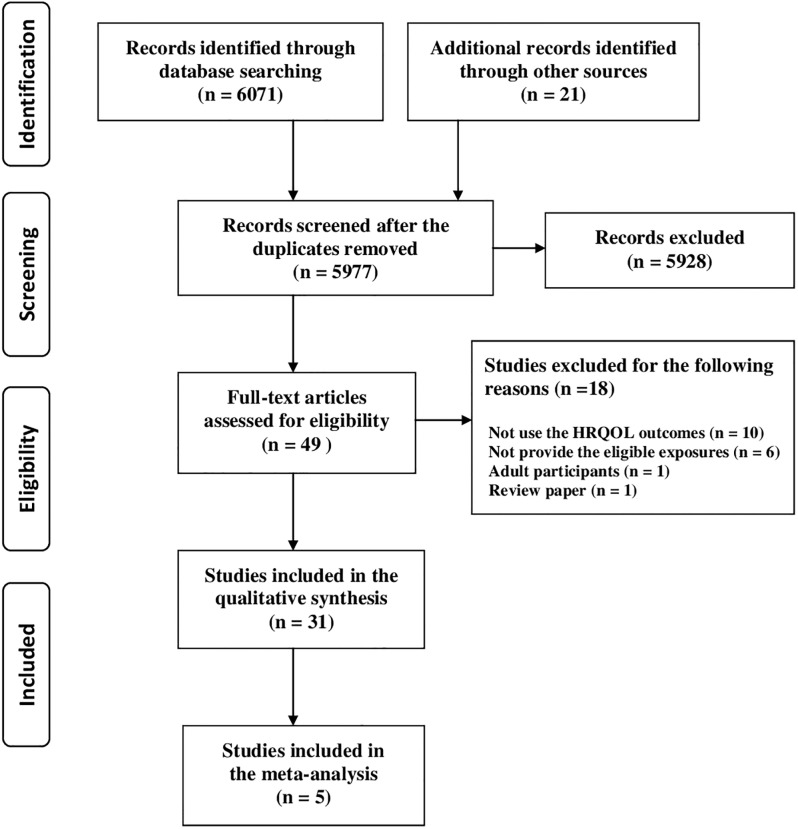
Methods: We conducted a computer search for English language literature from databases of MEDLINE, EMBASE, PSYCINFO and PubMed-related articles as well as the reference lists of existing literature between 1946 and the second week of January 2017 to retrieve eligible studies. We included the studies that assessed associations between physical activity and/or sedentary behavior and health-related quality of life among the general population of children and adolescents aged between 3-18 years. The study design included cross-sectional, longitudinal and health intervention studies. We excluded the studies that examined associations between physical activity, sedentary behavior and health-related quality of life among children and adolescents with specific chronic diseases, and other studies and reports including reviews, meta-analyses, study protocols, comments, letters, case reports and guidelines. We followed up the Preferred Reporting Items for Systematic reviews and Meta-Analyses (PRISMA) statement in the reporting of this review. The risk of bias of the primary studies was assessed by the Newcastle-Ottawa Scale. We synthesized the difference in health-related quality of life scores between different levels of physical activity and sedentary time.
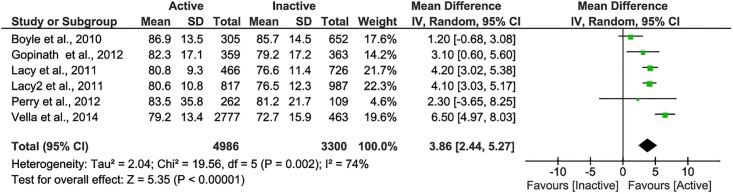
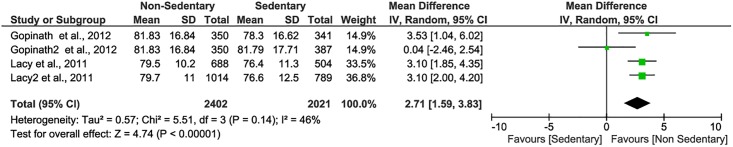
Results: In total, 31 studies met the inclusion criteria and were synthesized in the review. Most of the included studies used a cross-sectional design (n = 21). There were six longitudinal studies and three school-based physical activity intervention studies. One study used both cross-sectional and longitudinal designs. We found that higher levels of physical activity were associated with better health-related quality of life and increased time of sedentary behavior was linked to lower health-related quality of life among children and adolescents. A dose-response relation between physical activity, sedentary behavior and health-related quality of life was observed in several studies suggesting that the higher frequency of physical activity or the less time being sedentary, the better the health-related quality of life.
Conclusions: The findings in this study suggest that school health programs promoting active lifestyles among children and adolescents may contribute to the improvement of health-related quality of life. Future research is needed to extend studies on longitudinal relationships between physical activity, sedentary behavior and health-related quality of life, and on effects of physical activity interventions on health-related quality of life among children and youth.
Conflict of interest statement
Figures
References
-
- Janssen I, Leblanc AG. Systematic review of the health benefits of physical activity and fitness in school-aged children and youth. Int J Behav Nutr Phys Act. 2010;7:40 doi: 10.1186/1479-5868-7-40 - DOI - PMC - PubMed
-
- Ussher MH, Owen CG, Cook DG, Whincup PH. The relationship between physical activity, sedentary behaviour and psychological well being among adolescents. Soc Psychiatry Psychiatr Epidemiol. 2007;42(10):851–856. doi: 10.1007/s00127-007-0232-x - DOI - PubMed
-
- Hallal PC, Victora CG, Azevedo MR, Wells JC. Adolescent physical activity and health: a systematic review. Sports Med. 2006;36(12):1019–1030. - PubMed
-
- Iannotti RJ, Kogan MD, Janssen I, Boyce WF. Patterns of adolescent physical activity, screen-based media use, and positive and negative health indicators in the U.S. and Canada. J Adolesc Health. 2009;44(5):493–499. doi: 10.1016/j.jadohealth.2008.10.142 - DOI - PMC - PubMed
Publication types
MeSH terms
LinkOut - more resources
Full Text Sources
Other Literature Sources
Medical
Miscellaneous
