


DNA damage responses and p53 in the aging process
- PMID: 29141944
- PMCID: PMC6839964
- DOI: 10.1182/blood-2017-07-746396
DNA damage responses and p53 in the aging process
Abstract
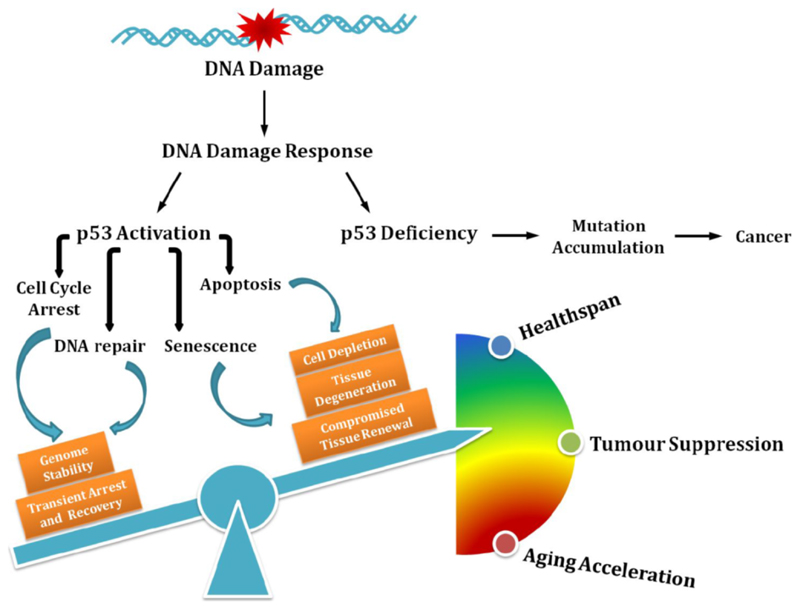
The genome is constantly attacked by genotoxic insults. DNA damage has long been established as a cause of cancer development through its mutagenic consequences. Conversely, radiation therapy and chemotherapy induce DNA damage to drive cells into apoptosis or senescence as outcomes of the DNA damage response (DDR). More recently, DNA damage has been recognized as a causal factor for the aging process. The role of DNA damage in aging and age-related diseases is illustrated by numerous congenital progeroid syndromes that are caused by mutations in genome maintenance pathways. During the past 2 decades, understanding how DDR drives cancer development and contributes to the aging process has progressed rapidly. It turns out that the DDR factor p53 takes center stage during tumor development and also plays an important role in the aging process. Studies in metazoan models ranging from Caenorhabditis elegans to mammals have revealed cell-autonomous and systemic DDR mechanisms that orchestrate adaptive responses that augment maintenance of the aging organism amid gradually accumulating DNA damage.
© 2018 by The American Society of Hematology.
Conflict of interest statement
H.O. and B.S. wrote the manuscript. The authors declare no competing interest.
Figures
References
Publication types
MeSH terms
Substances
LinkOut - more resources
Full Text Sources
Other Literature Sources
Medical
Research Materials
Miscellaneous
