. 2017 Nov 16;13(11):e1006684.
doi: 10.1371/journal.ppat.1006684. eCollection 2017 Nov.

Preconceptual Zika virus asymptomatic infection protects against secondary prenatal infection

Affiliations

Preconceptual Zika virus asymptomatic infection protects against secondary prenatal infection

Lucien H Turner et al. PLoS Pathog. .

Abstract

Pregnant women, and their fetal offspring, are uniquely susceptible to Zika virus and other microbial pathogens capable of congenital fetal infection. Unavoidable exposure to Zika virus in endemic areas underscores the need for identifying at-risk individuals, and protecting expecting mothers and their fetal offspring against prenatal infection. Here we show that primary Zika virus asymptomatic infection in mice confers protection against re-infection, and that these protective benefits are maintained during pregnancy. Zika virus recovery was sharply reduced in maternal tissues and amongst fetal concepti after prenatal challenge in mothers with resolved subclinical infection prior to pregnancy compared with mice undergoing primary prenatal infection. These benefits coincide with expanded accumulation of viral-specific antibodies in maternal serum and fetal tissues that protect against infection by the identical or heterologous Zika virus genotype strains. Thus, preconceptual infection primes Zika virus-specific antibodies that confer cross-genotype protection against re-infection during pregnancy.


Conflict of interest statement

The authors have declared that no competing interests exist.

Figures
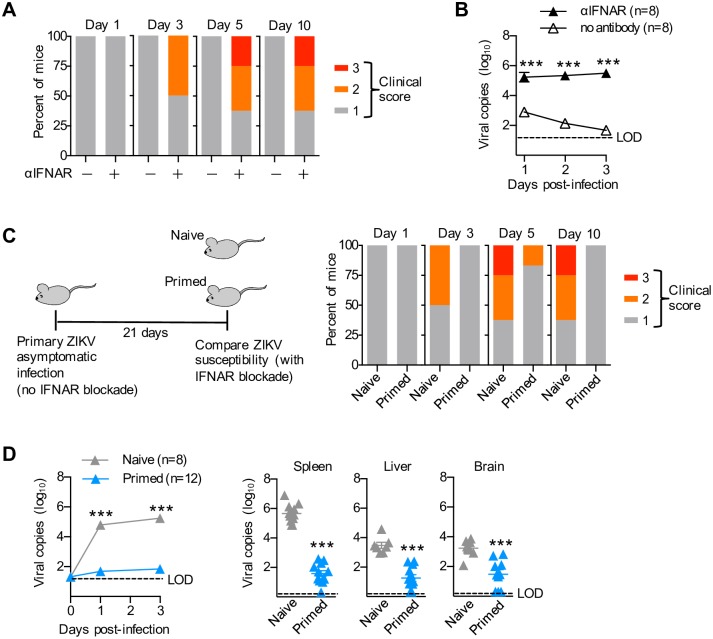
Fig 1
Fig 1. Asymptomatic ZIKV primary infection protects against re-infection.
(A) Bar graph comparing the incidence and clinical symptom severity (clinical score) among mice administered anti-type I IFN receptor antibody (n = 8) beginning one day prior to infection (106 PFUs PRVABC59) compared with no antibody controls (n = 15) pooled from three independent experiments each with similar results. (B) ZIKV genome copies per mL serum for mice described in panel A. (C) Schematic illustrating re-infection amongst mice with prior asymptomatic infection (primed, n = 12) compared to primary infection in naive control mice (n = 12); and bar graph comparing the incidence and clinical symptom severity (clinical score) after ZIKV infection with type I IFN receptor blockade among each group pooled from three independent experiments each with similar results. (D) ZIKV genome copies per mL serum and in each tissue day 3 after infection for mice described in panel C. Each point depicts the data from an individual mouse that is representative of at least three independent experiments each with similar results. Bar, mean ± one standard error; LOD, limits of detection; *** p < 0.001.
Fig 2
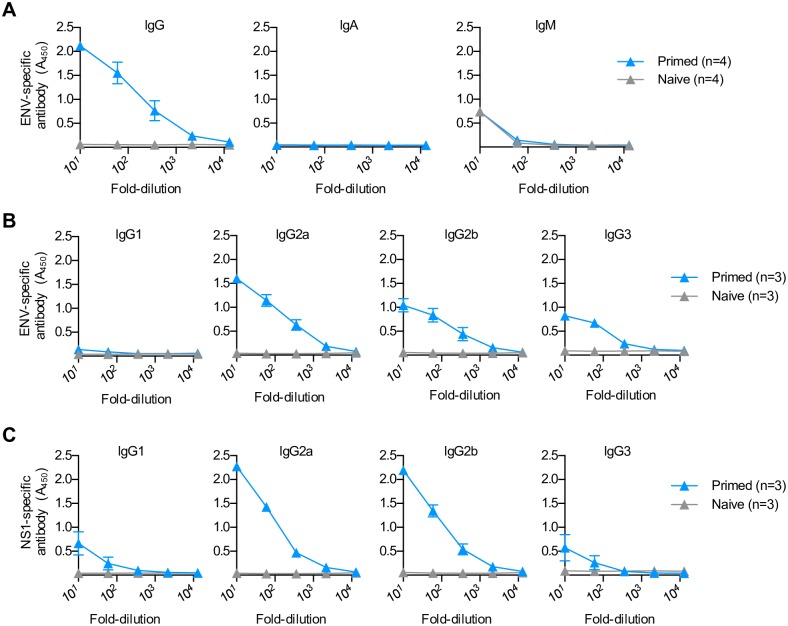
Fig 2. Primary ZIKV asymptomatic infection primes expanded accumulation of IgG antibodies.
(A) IgG, IgA and IgM antibody titers (A450) with ZIKV ENV specificity in the serum of mice day 21 after asymptomatic primary infection compared with naive control mice. (B) IgG1, IgG2a, IgG2b, and IgG3 antibody titers (A450) with ZIKV ENV specificity in the serum of mice described in panel A. (C) IgG1, IgG2a, IgG2b, and IgG3 antibody titers (A450) with ZIKV NS1 specificity in the serum of mice described in panel A. These data are representative of at least three independent experiments each with similar results. Bar, mean ± one standard error.
Fig 3
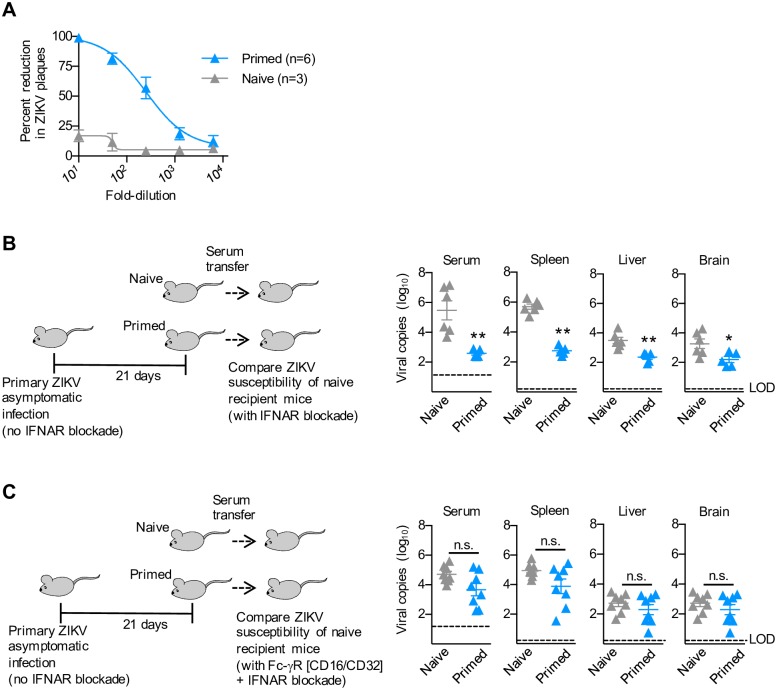
Fig 3. Primary ZIKV asymptomatic infection primes neutralizing antibodies that protect against re-infection.
(A) Percent reduction in ZIKV plaques after pre-incubation with each dilution of the serum of mice day 21 after asymptomatic primary infection compared with naive control mice. (B) Schematic comparing the susceptibility of naive recipient mice administered serum from donor mice with prior asymptomatic infection or naive control mice; and ZIKV genome copies in the serum or each tissue day 3 after infection. (C) Schematic comparing the susceptibility of naive recipient mice administered Fcγ receptor neutralizing antibody, along with serum from donor mice with prior asymptomatic infection or naive control mice; and ZIKV genome copies in the serum or each tissue day 3 after infection. Each point depicts the data from an individual mouse that is representative of at least three independent experiments each with similar results. Bar, mean ± one standard error; LOD, limits of detection; * p < 0.05; ** p < 0.01; *** p < 0.001; n.s. not significant.
Fig 4
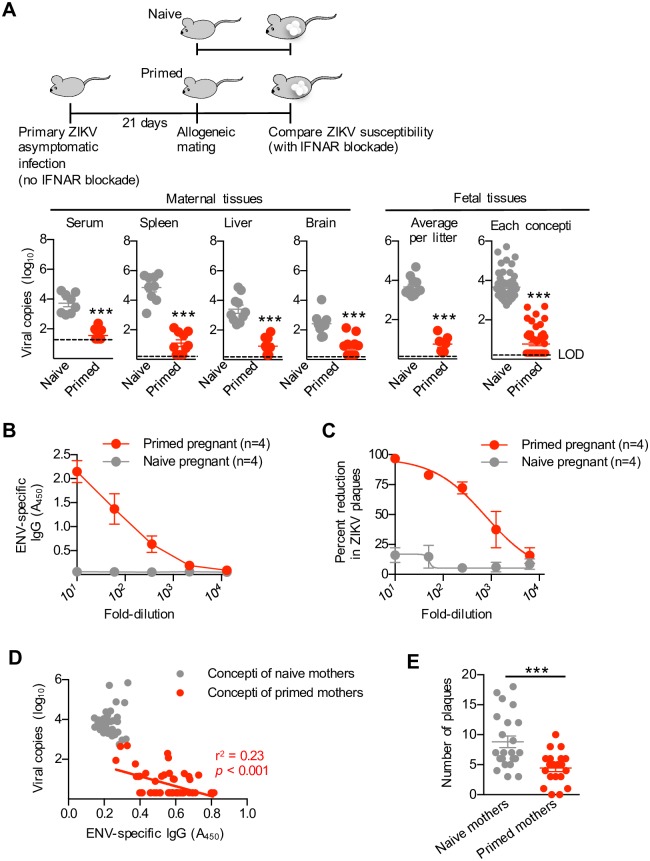
Fig 4. Primary ZIKV asymptomatic infection protects against re-infection during pregnancy.
(A) Schematic illustrating when mating is initiated and secondary ZIKV infection occurs amongst mice with prior asymptomatic primary infection compared with naive control mice. ZIKV genome copies in each maternal tissue, each individual concepti (placenta, decidua, and fetal tissue), or averaged among individual concepti in each litter day 3 after ZIKV re-infection at midgestation (E11.5). (B) IgG antibody titers (A450) with ZIKV ENV specificity in the serum of mice described in panel A (C) Percent reduction in ZIKV plaques after pre-incubation with each dilution of the serum each group of mice described in panel A. (D) Scatterplot comparing ZIKV genomic copies and ENV IgG antibody levels (A450) in clarified fetal homogenates amongst individual concepti described in panel A. (E) Number of ZIKV plaques after pre-incubation with clarified homogenates of individual concepti described in panel A. Each point depicts the data from an individual mouse that is representative of at least three independent experiments each with similar results. Bar, mean ± one standard error; LOD, limits of detection; * p < 0.05; ** p < 0.01; *** p < 0.001.
Fig 5
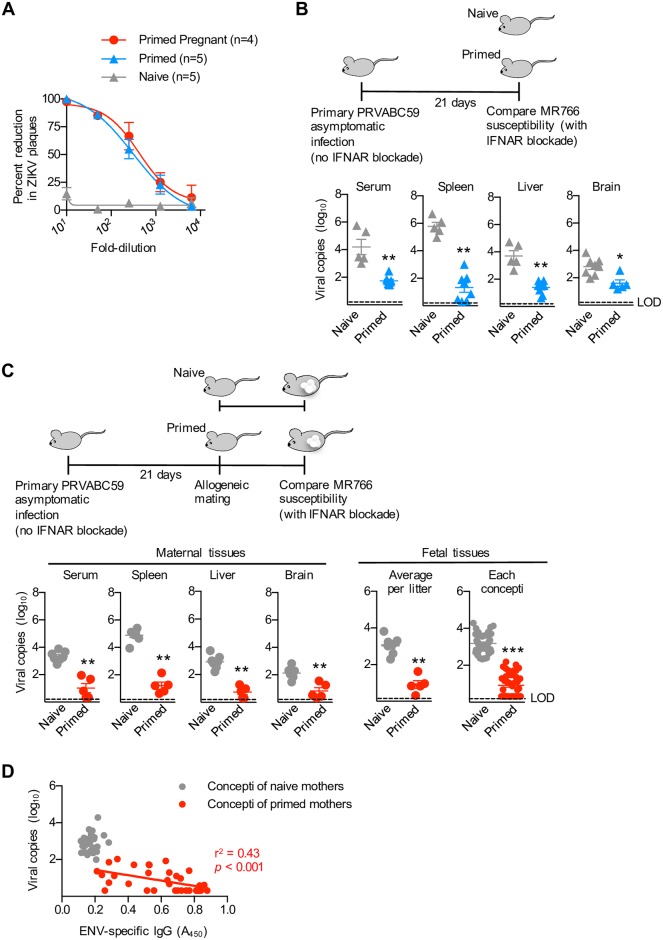
Fig 5. Primary ZIKV asymptomatic infection protects against re-infection by heterologous viral genotype strains.
(A) Percent reduction in MR766 plaques after pre-incubation with each dilution of the serum from virgin or mid-gestation (E11.5) pregnant mice with prior asymptomatic primary PRVABC59 infection compared with the serum of naive control mice. (B) Schematic illustrating heterologous MR766 infection among type I IFN receptor neutralized mice with prior asymptomatic PRVABC59 infection compared with naive control mice; and ZIKV genome copies in the serum and each tissue day 3 after MR766 infection for each group of mice. (C) Schematic illustrating when mating is initiated and secondary MR766 ZIKV infection occurs amongst mice with asymptomatic primary PRVABC59 ZIKV infection compared with naive control mice. ZIKV MR766 genome copies in each maternal tissue, each individual concepti (placenta, decidua, and fetal tissue), or averaged among individual concepti in each litter day 3 after ZIKV re-infection at midgestation (E11.5). (D) Scatterplot comparing ZIKV MR766 genomic copies and ENV IgG antibody levels (A450) in clarified fetal homogenates amongst individual concepti for the mice described in panel C. Each point depicts the data from an individual mouse that is representative of at least three independent experiments each with similar results. Bar, mean ± one standard error; LOD, limits of detection; * p < 0.05; ** p < 0.01; *** p < 0.001.
Fig 6
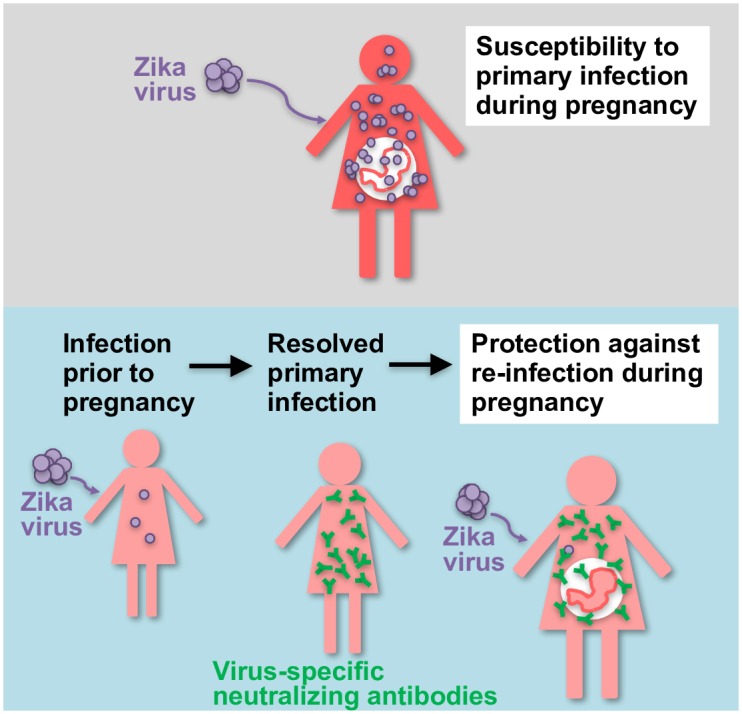
Fig 6. Preconceptual Zika virus infection protects against re-infection during pregnancy.
Zika virus primary infection during pregnancy causes widespread seeding of maternal tissues and congenital fetal invasion (top), whereas asymptomatic ZIKV primary infection prior to pregnancy protects against re-infection during pregnancy (bottom).

References

    1. Fauci AS, Morens DM. Zika Virus in the Americas—Yet Another Arbovirus Threat. N Engl J Med. 2016;374(7):601–4. doi: 10.1056/NEJMp1600297 . - DOI - PubMed
    1. Lazear HM, Diamond MS. Zika Virus: New Clinical Syndromes and Its Emergence in the Western Hemisphere. J Virol. 2016;90(10):4864–75. doi: 10.1128/JVI.00252-16 - DOI - PMC - PubMed
    1. Coyne CB, Lazear HM. Zika virus—reigniting the TORCH. Nat Rev Microbiol. 2016;14(11):707–15. doi: 10.1038/nrmicro.2016.125 . - DOI - PubMed
    1. Miner JJ, Diamond MS. Zika Virus Pathogenesis and Tissue Tropism. Cell Host Microbe. 2017;21(2):134–42. doi: 10.1016/j.chom.2017.01.004 - DOI - PMC - PubMed
    1. Brasil P, Pereira JP Jr., Moreira ME, Ribeiro Nogueira RM, Damasceno L, Wakimoto M, et al. Zika Virus Infection in Pregnant Women in Rio de Janeiro. N Engl J Med. 2016;375(24):2321–34. doi: 10.1056/NEJMoa1602412 . - DOI - PMC - PubMed

Substances