


Characterisation of sucking dynamics of breastfeeding preterm infants: a cross sectional study
- PMID: 29149869
- PMCID: PMC5693509
- DOI: 10.1186/s12884-017-1574-3
Characterisation of sucking dynamics of breastfeeding preterm infants: a cross sectional study
Abstract
Background: Full breastfeeding is the ultimate aim for preterm infants to ensure they receive the full benefits of human milk however, preterm infants face a number of challenges associated with their immaturity and associated morbidities. In order to facilitate oral feeding, it is essential to have a sound knowledge of the sucking dynamics of the breastfed infant. The aim of this study was to measure and describe the sucking dynamics of the preterm breastfeeding infant.
Methods: A prospective cross sectional observational study was carried out at King Edward Memorial Hospital, Perth. 38 mothers and their preterm infants (birth gestation age: 23.6-33.3 weeks; corrected gestation age 32.7 to 39.9 weeks) were recruited. Intra-oral vacuum levels, tongue movement and milk intake for a single breastfeed was measured. Statistical analysis employed linear regression and linear mixed effects models.
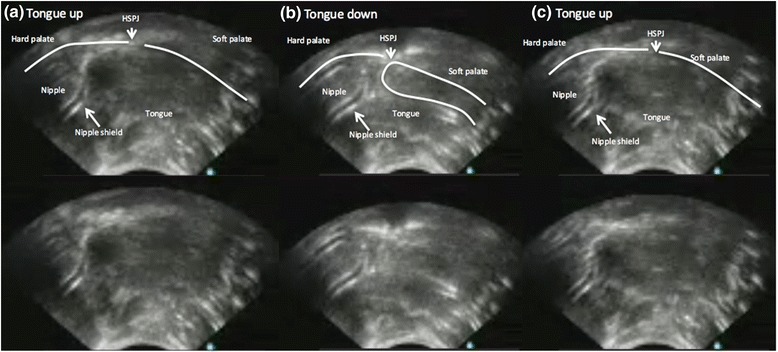
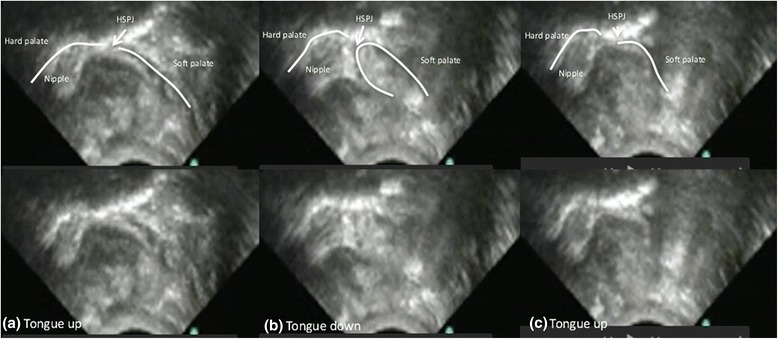
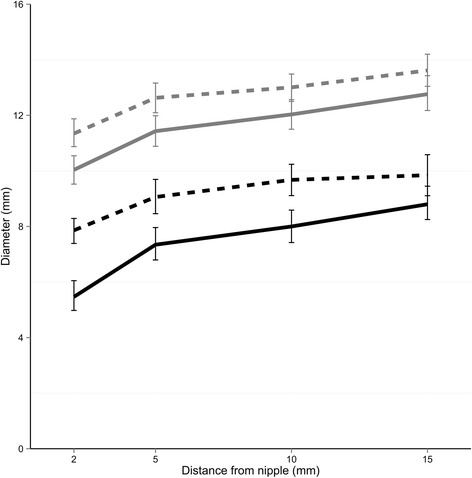
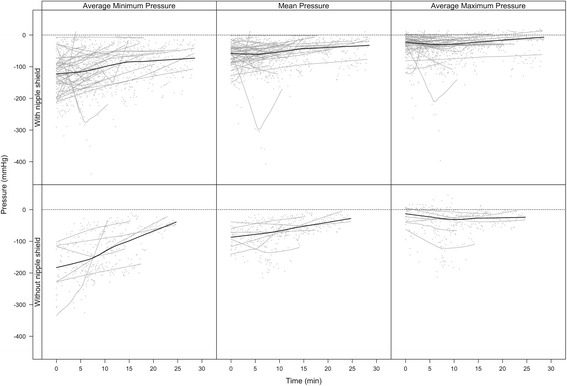
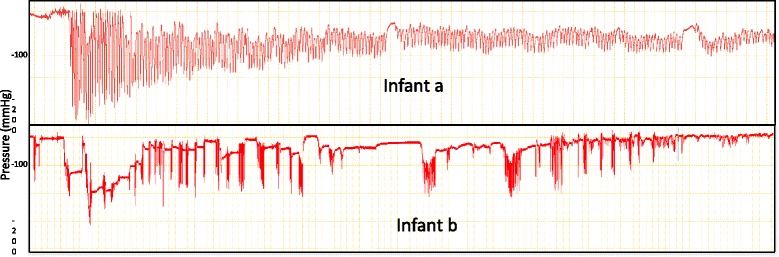
Results: Synchronised ultrasound and intra-oral vacuum measurements show that the preterm infant generates vacuum by lowering their tongue in a parallel fashion, without distortion of the nipple/nipple shield. Baseline (B), mean (M) and (P) peak suck burst vacuums weakened over the course of a feed (B: p = 0.015; M: p = 0.018; P: p = 0.044) and mean and peak vacuums were weaker if the mother fed with a nipple shield (M: p = 0.012; P: p = 0.021). Infant milk intakes were higher when infants sucked for longer (p = 0.002), sucked for a greater proportion of the feed (p = 0.002), or had a greater sucking efficiency (p < 0.001).
Conclusions: Breastfeeding preterm infants generated intra-oral vacuum in the same manner as term infants. Nipple shields were associated with weaker intra-oral vacuums. However, vacuum strengths were not associated with milk intake rather time spent actively sucking was related to milk volumes. Further research is required to elucidate factors that influence preterm infant milk intake during breastfeeding.
Keywords: Breastfeeding; Infant; Infant feeding; Lactation; Premature; Preterm.
Conflict of interest statement
Ethics approval
Mothers supplied written, informed consent to participate in the study, which was approved by the Scientific Research Ethics Committee of King Edward Memorial Hospital. Mothers were part of a larger RCT:AustralianNewZealandClinicalTrialsRegistry, ACTRN12614000875606,
Consent for publication
Not applicable.
Competing interests
The DG has received an unrestricted research grant from Medela AG. AH and HG have received a salary from the unrestricted research grant. DG has received funding for lectures and attendance of conferences.
Publisher’s Note
Springer Nature remains neutral with regard to jurisdictional claims in published maps and institutional affiliations.
Figures
References
Publication types
MeSH terms
LinkOut - more resources
Full Text Sources
Other Literature Sources
Medical
