


Mechanisms of Organ Dysfunction in Sepsis
- PMID: 29149942
- PMCID: PMC6922007
- DOI: 10.1016/j.ccc.2017.08.003
Mechanisms of Organ Dysfunction in Sepsis
Abstract
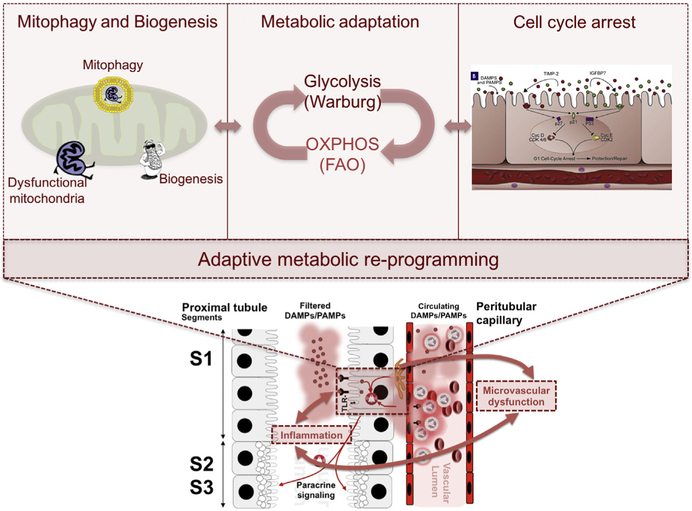
Sepsis-associated organ dysfunction involves multiple responses to inflammation, including endothelial and microvascular dysfunction, immune and autonomic dysregulation, and cellular metabolic reprogramming. The effect of targeting these mechanistic pathways on short- and long-term outcomes depends highly on the timing of therapeutic intervention. Furthermore, there is a need to understand the adaptive or maladaptive character of these mechanisms, to discover phase-specific biomarkers to guide therapy, and to conceptualize these mechanisms in terms of resistance and tolerance.
Keywords: Inflammation; Metabolism; Microcirculation; Mitochondria; Organ dysfunction; Sepsis.
Copyright © 2017 Elsevier Inc. All rights reserved.
Figures
References
-
- Angus DC, van der Poll T. Severe sepsis and septic shock. N Engl J Med 2013; 369:840–51. - PubMed
-
- Langenberg C, Wan L, Egi M, et al. Renal blood flow in experimental septic acute renal failure. Kidney Int 2006;69:1996–2002. - PubMed
-
- Prowle JR, Ishikawa K, May CN, et al. Renal blood flow during acute renal failure in man. Blood Purif 2009;28:216–25. - PubMed
Publication types
MeSH terms
Grants and funding
LinkOut - more resources
Full Text Sources
Other Literature Sources
Medical
