


A new multiple trauma model of the mouse
- PMID: 29157219
- PMCID: PMC5697084
- DOI: 10.1186/s12891-017-1813-9
A new multiple trauma model of the mouse
Erratum in
-
Correction to: A new multiple trauma model of the mouse.BMC Musculoskelet Disord. 2019 Feb 11;20(1):72. doi: 10.1186/s12891-018-2330-1. BMC Musculoskelet Disord. 2019. PMID: 30744619 Free PMC article. No abstract available.
Abstract
Background: Blunt trauma is the most frequent mechanism of injury in multiple trauma, commonly resulting from road traffic collisions or falls. Two of the most frequent injuries in patients with multiple trauma are chest trauma and extremity fracture. Several trauma mouse models combine chest trauma and head injury, but no trauma mouse model to date includes the combination of long bone fractures and chest trauma. Outcome is essentially determined by the combination of these injuries. In this study, we attempted to establish a reproducible novel multiple trauma model in mice that combines blunt trauma, major injuries and simple practicability.
Methods: Ninety-six male C57BL/6 N mice (n = 8/group) were subjected to trauma for isolated femur fracture and a combination of femur fracture and chest injury. Serum samples of mice were obtained by heart puncture at defined time points of 0 h (hour), 6 h, 12 h, 24 h, 3 d (days), and 7 d.
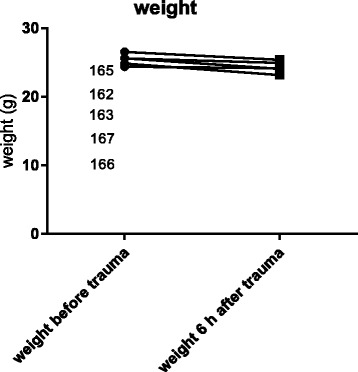
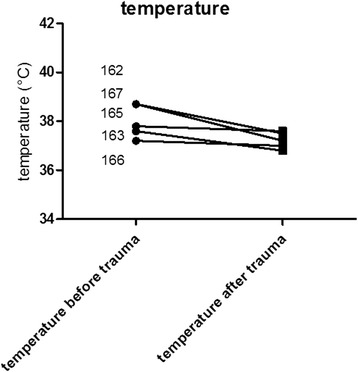
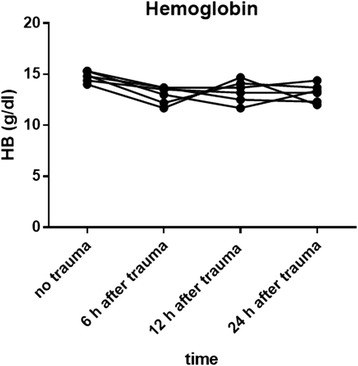
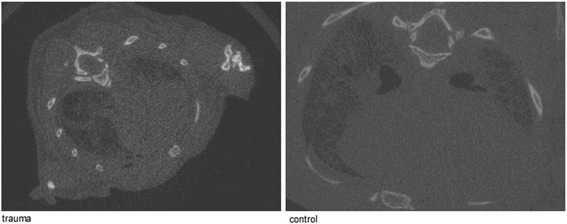
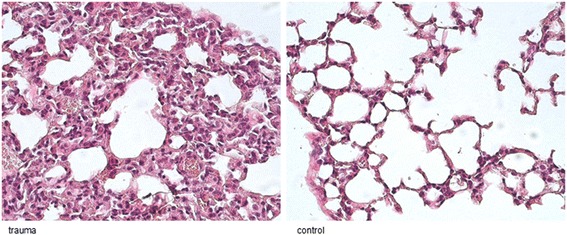
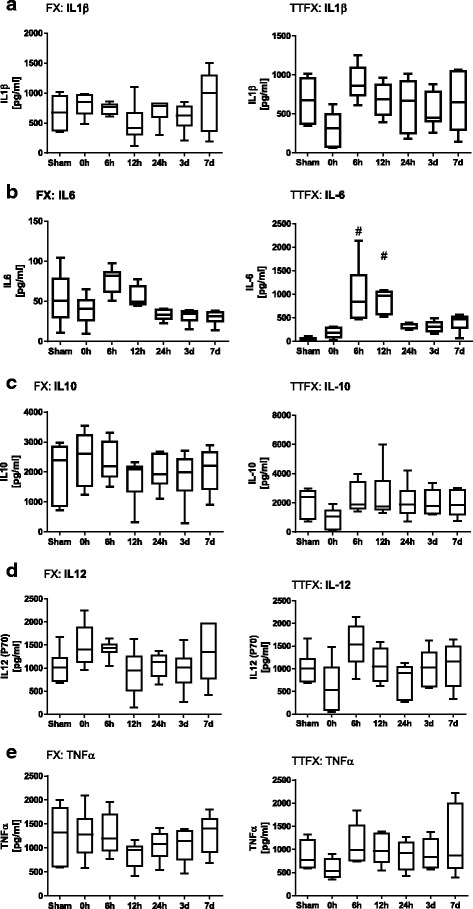
Results: A tendency toward reduced weight and temperature was observed at 24 h after chest trauma and femur fracture. Blood analyses revealed a decrease in hemoglobin during the first 24 h after trauma. Some animals were killed by heart puncture immediately after chest contusion; these animals showed the most severe lung contusion and hemorrhage. The extent of structural lung injury varied in different mice but was evident in all animals. Representative H&E-stained (Haematoxylin and Eosin-stained) paraffin lung sections of mice with multiple trauma revealed hemorrhage and an inflammatory immune response. Plasma samples of mice with chest trauma and femur fracture showed an up-regulation of IL-1β (Interleukin-1β), IL-6, IL-10, IL-12p70 and TNF-α (Tumor necrosis factor- α) compared with the control group. Mice with femur fracture and chest trauma showed a significant up-regulation of IL-6 compared to group with isolated femur fracture.
Conclusions: The multiple trauma mouse model comprising chest trauma and femur fracture enables many analogies to clinical cases of multiple trauma in humans and demonstrates associated characteristic clinical and pathophysiological changes. This model is easy to perform, is economical and can be used for further research examining specific immunological questions.
Conflict of interest statement
Ethics approval and consent to participate
Experiments were carried out in accordance with the German Animal Welfare Legislation, and were approved by the local institutional animal care and research advisory committee (Kiel and Hannover, Germany) and permitted by the local government of Lower Saxony, Germany (reference number: AZ 10AO29).
Consent for publication
The manuscript does not contain any individual person’s data.
Not applicable
Competing interests
The authors declare that they have no competing interests.
Publisher’s Note
Springer Nature remains neutral with regard to jurisdictional claims in published maps and institutional affiliations.
Figures
References
-
- Kauvar D, Sarfati MR, Kraiss LW. National trauma databank analysis of mortality and limb loss in isolated lower extremity vascular trauma. J Vasc Surg. 2011;53(6) - PubMed
MeSH terms
Substances
Grants and funding
LinkOut - more resources
Full Text Sources
Other Literature Sources
Medical
