


Mutational and putative neoantigen load predict clinical benefit of adoptive T cell therapy in melanoma
- PMID: 29170503
- PMCID: PMC5701046
- DOI: 10.1038/s41467-017-01460-0
Mutational and putative neoantigen load predict clinical benefit of adoptive T cell therapy in melanoma
Erratum in
-
Author Correction: Mutational and putative neoantigen load predict clinical benefit of adoptive T cell therapy in melanoma.Nat Commun. 2020 Apr 1;11(1):1714. doi: 10.1038/s41467-020-15531-2. Nat Commun. 2020. PMID: 32238805 Free PMC article.
Abstract
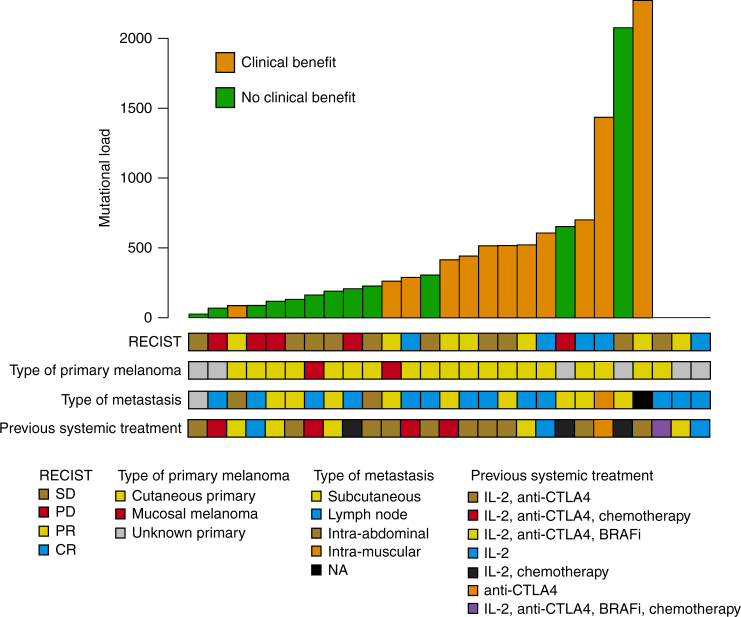
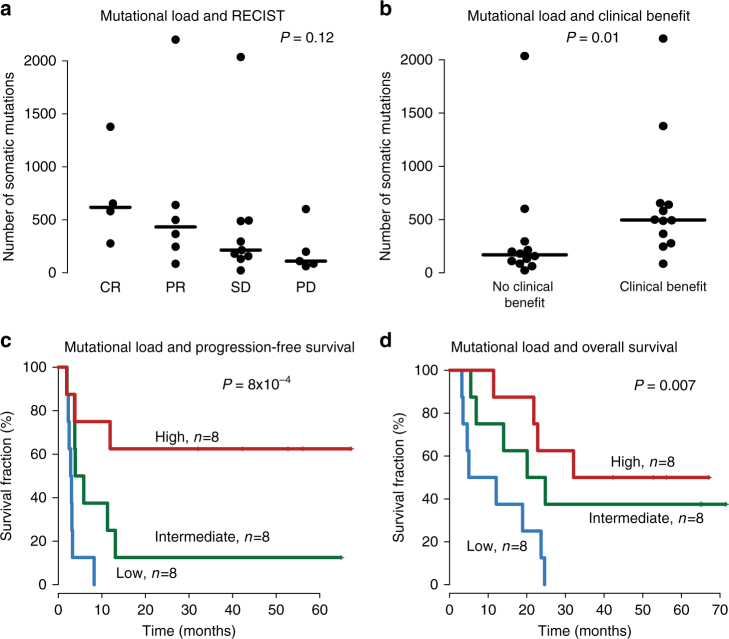
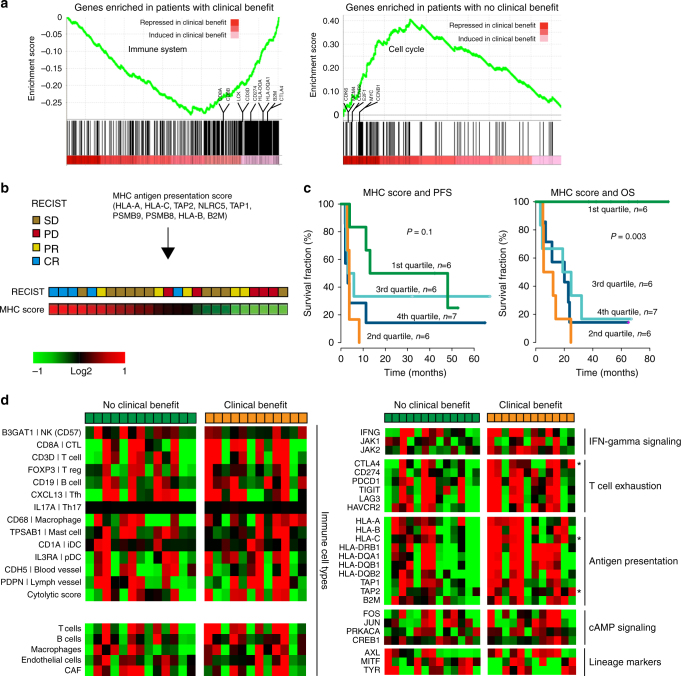
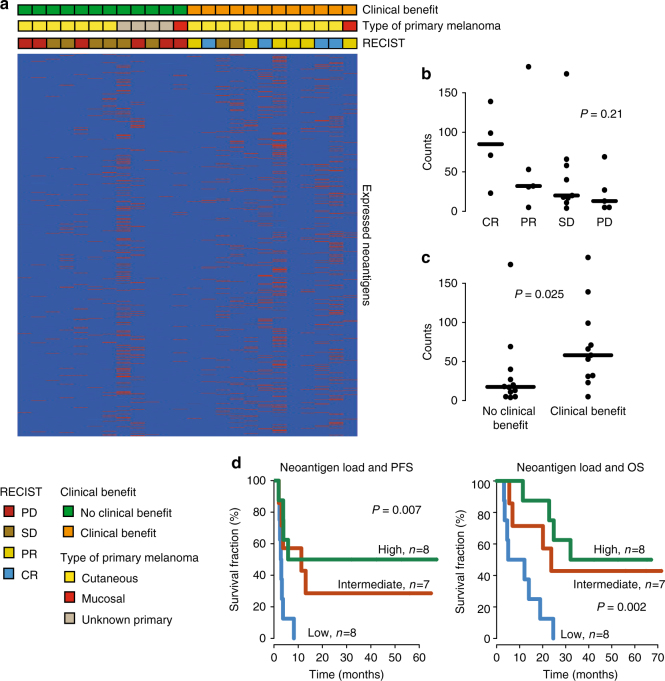
Adoptive T-cell therapy (ACT) is a highly intensive immunotherapy regime that has yielded remarkable response rates and many durable responses in clinical trials in melanoma; however, 50-60% of the patients have no clinical benefit. Here, we searched for predictive biomarkers to ACT in melanoma. Whole exome- and transcriptome sequencing and neoantigen prediction were applied to pre-treatment samples from 27 patients recruited to a clinical phase I/II trial of ACT in stage IV melanoma. All patients had previously progressed on other immunotherapies. We report that clinical benefit is associated with significantly higher predicted neoantigen load. High mutation and predicted neoantigen load are significantly associated with improved progression-free and overall survival. Further, clinical benefit is associated with the expression of immune activation signatures including a high MHC-I antigen processing and presentation score. These results improve our understanding of mechanisms behind clinical benefit of ACT in melanoma.
Conflict of interest statement
The authors declare no competing financial interests.
Figures
References
-
- Besser MJ, et al. Adoptive transfer of tumor-infiltrating lymphocytes in patients with metastatic melanoma: intent-to-treat analysis and efficacy after failure to prior immunotherapies. Clin. Cancer Res. 2013;19:4792–4800. - PubMed
-
- Besser MJ, et al. Clinical responses in a phase II study using adoptive transfer of short-term cultured tumor infiltration lymphocytes in metastatic melanoma patients. Clin. Cancer Res. 2010;16:2646–2655. - PubMed
Publication types
MeSH terms
Substances
LinkOut - more resources
Full Text Sources
Other Literature Sources
Medical
Molecular Biology Databases
Research Materials
