Review
. 2018 Jan:191:64-80.
doi: 10.1016/j.trsl.2017.11.002. Epub 2017 Nov 20.

The role of macrophage phenotype in regulating the response to radiation therapy

Affiliations
Review

The role of macrophage phenotype in regulating the response to radiation therapy

Xiaoshan Shi et al. Transl Res. 2018 Jan.

Abstract

Increasing experimental and clinical evidence has revealed a critical role for myeloid cells in the development and progression of cancer. The ability of monocytes and macrophages to regulate inflammation allows them to manipulate the tumor microenvironment to support the growth and development of malignant cells. Recent studies have shown that macrophages can exist in several functional states depending on the microenvironment they encounter in the tissue. These functional phenotypes influence not only the genesis and propagation of tumors, but also the efficacy of cancer therapies, particularly radiation. Early classification of the macrophage phenotypes, or "polarization states," identified 2 major states, M1 and M2, that have cytotoxic and wound repair capacity, respectively. In the context of tumors, classically activated or M1 macrophages driven by interferon-gamma support antitumor immunity while alternatively activated or M2 macrophages generated in part from interleukin-4 exposure hinder antitumor immunity by suppressing cytotoxic responses against a tumor. In this review, we discuss the role that the functional phenotype of a macrophage population plays in tumor development. We will then focus specifically on how macrophages and myeloid cells regulate the tumor response to radiation therapy.


Figures

Fig. 1
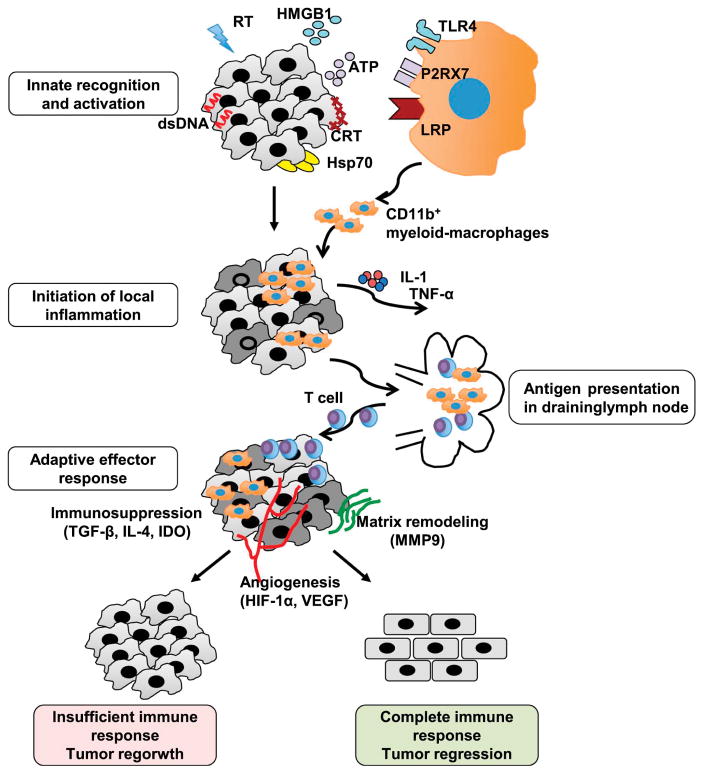
Fig. 1. Macrophages and the radiation-induced immune response
Ionizing radiation (RT) induces an anti-tumor immune response within the tumor through the generation of inflammatory mediators including cytosolic dsDNA, HMGB1, ATP, calreticulin (CRT) and Hsp70 within the tumor cells. These molecules activate the resident immune cells such as macrophages to secrete a series of cytokines/chemokines including IL-1 and TNF-α, which further recruits more macrophages to the tumor site. Activated macrophages and DCs migrate to the lymphoid tissues bearing tumor antigens, where they present them to T cells. Activated T cells then re-enter the circulation and return to the tumor where they target malignant cells. However, the outcome of the response is in part determined by the ability of the T cell response to the microenvironment. If the malignant cells are completely eradicated, macrophages help restore normal tissue homeostasis by supporting angiogenesis and matrix remodeling. If there is an insufficient immune response, macrophages still attempt to restore tissue to its normal state but in so doing inadvertently support tumor regrowth.
Fig. 2
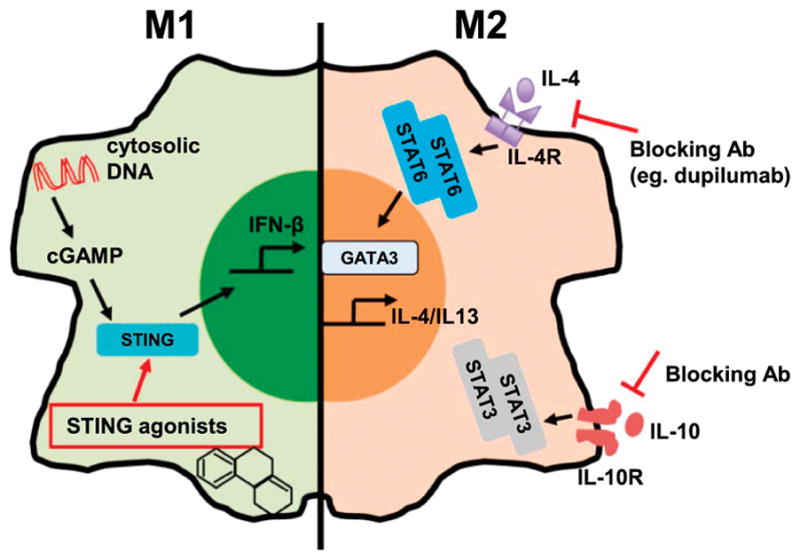
Fig. 2. Potential immune targets to combine with radiation therapy
The cGAS-STING cytosolic DNA sensing pathway is essential for production of type I IFNs such as IFN-β. An RT-induced DNA exonuclease Trex1 degrades cytosolic DNA to dampen the production of type I IFNs in response to RT. However, STING agonists can bypass this exonuclease and thus may directly activate macrophages to augment the response to RT. Ligation of IL-10 receptor activates STAT3, which is critical for the expression of its own cytokine IL-10. Blockade of the IL-10 pathway may disrupt this feedback and combined with RT to boost anti-tumor immunity. Upon IL-4 stimulation, the transcriptional regulator GATA3 induces a program that polarizes macrophages into an M2 phenotype. Agents that target the IL-4 pathway may improve the efficacy of RT by preventing formation of the M2 phenotype in macrophages in response to RT-induced IL-4 production.

References

    1. Cassetta L, Cassol E, Poli G. Macrophage Polarization in Health and Disease. Sci World J. 2011;11:2391–2402. - PMC - PubMed
    1. Biswas SK, Mantovani A. Macrophage plasticity and interaction with lymphocyte subsets: cancer as a paradigm. Nature immunology. 2010;11:889–896. - PubMed
    1. Mantovani A, Sozzani S, Locati M, Allavena P, Sica A. Macrophage polarization: tumor-associated macrophages as a paradigm for polarized M2 mononuclear phagocytes. Trends in immunology. 2002;23:549–555. - PubMed
    1. Mills CD, Kincaid K, Alt JM, Heilman MJ, Hill AM. M-1/M-2 Macrophages and the Th1/Th2 Paradigm. Journal of immunology. 2000;164:6166–6173. - PubMed
    1. Murray Peter J, et al. Macrophage Activation and Polarization: Nomenclature and Experimental Guidelines. Immunity. 2014;41:14–20. - PMC - PubMed