. 2018 Feb:52:92-102.
doi: 10.1016/j.jnutbio.2017.09.017. Epub 2017 Oct 4.

Dietary omega-3 and omega-6 polyunsaturated fatty acids modulate hepatic pathology

Affiliations

Dietary omega-3 and omega-6 polyunsaturated fatty acids modulate hepatic pathology

Saraswoti Khadge et al. J Nutr Biochem. 2018 Feb.

Abstract

Recent evidence has suggested that dietary polyunsaturated fatty acids (PUFAs) modulate inflammation; however, few studies have focused on the pathobiology of PUFA using isocaloric and isolipidic diets and it is unclear if the associated pathologies are due to dietary PUFA composition, lipid metabolism or obesity, as most studies compare diets fed ad libitum. Our studies used isocaloric and isolipidic liquid diets (35% of calories from fat), with differing compositions of omega (ω)-6 or long chain (Lc) ω-3 PUFA that were pair-fed and assessed hepatic pathology, inflammation and lipid metabolism. Consistent with an isocaloric, pair-fed model we observed no significant difference in diet consumption between the groups. In contrast, the body and liver weight, total lipid level and abdominal fat deposits were significantly higher in mice fed an ω-6 diet. An analysis of the fatty acid profile in plasma and liver showed that mice on the ω-6 diet had significantly more arachidonic acid (AA) in the plasma and liver, whereas, in these mice ω-3 fatty acids such as eicosapentaenoic acid (EPA) were not detected and docosahexaenoic acid (DHA) was significantly lower. Histopathologic analyses documented that mice on the ω-6 diet had a significant increase in macrovesicular steatosis, extramedullary myelopoiesis (EMM), apoptotic hepatocytes and decreased glycogen storage in lobular hepatocytes, and hepatocyte proliferation relative to mice fed the Lc ω-3 diet. Together, these results support PUFA dietary regulation of hepatic pathology and inflammation with implications for enteral feeding regulation of steatosis and other hepatic lesions.

Keywords: Diet; Fatty liver; Fish oil; Hepatic steatosis; Omega-3; PUFA.


Conflict of interest statement

Conflict of Interest: The authors declare that there are no conflicts of interest.

Figures

Figure 1
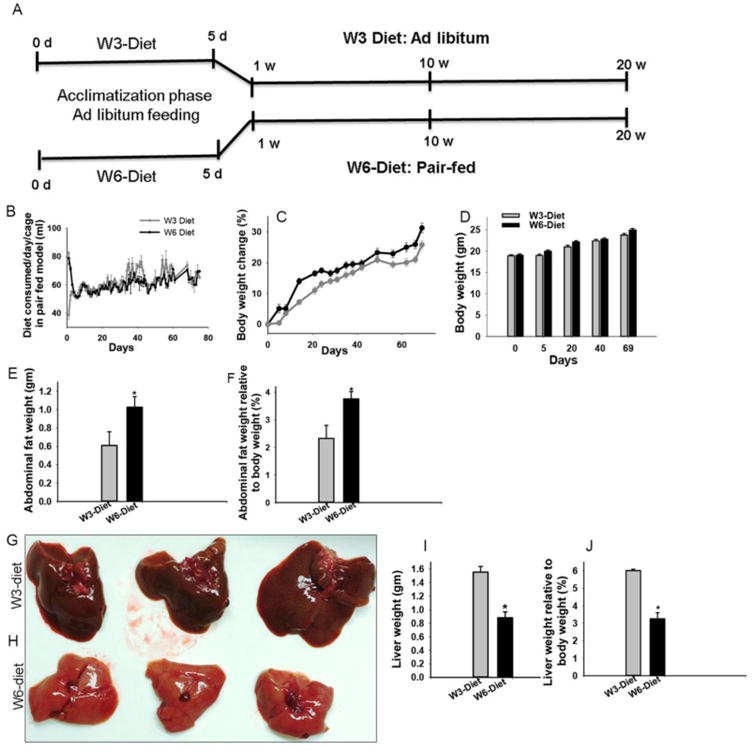
Figure 1. Isocaloric and isolipidic diets, pair-fed model and their impact on body weight
Mice were pair-fed omega- (ω-6) and omega-3 (ω-3) PUFA diets for 10 or 20 weeks. Experimental design for a pair-fed model (A). Mice were acclimatized to liquid diets by feeding ad libitum amounts for the first five days. Thereafter, the ω-6 diet group mice were pair-fed based on the diet consumed by the ω-3 mice on a cage basis on the preceding day. The average amount of diet consumed/day (B). Differences in percent changes in body weights between the pair-fed groups [n= 20] compared by a repeated measure test (C). Body weights before the start of the liquid diet [day 0], at the start of pair-feeding [day 5], on day 20, and day 40, of pair feeding and before autopsy on [day 69] (n=20) (D). Comparison of abdominal adipose tissues between the groups (E and F) (n=3), based on abdominal fat weight (E), as well as, fat weight relative to body weight (%) at autopsy (F). Photographs of representative livers document differences in color and size from mice fed ω-3 (G) or ω-6 (H) diets. Comparison of liver weight (I) and liver weight relative to body weight (J) (n=3). * = p ≤ 0.05
Figure 2
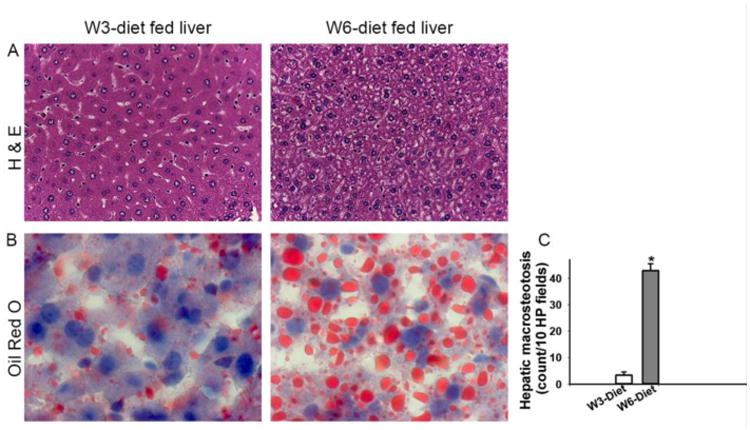
Figure 2. Differential effects of dietary PUFA on hepatic steatosis
Hepatic steatosis analysis of livers by H & E staining (A). Oil Red O-stained liver sections analyzed for hepatic steatosis (B and C). Images were taken with magnification of 400× (A) and 1000× (B) (n=5) [*=p<0.05].
Figure 3
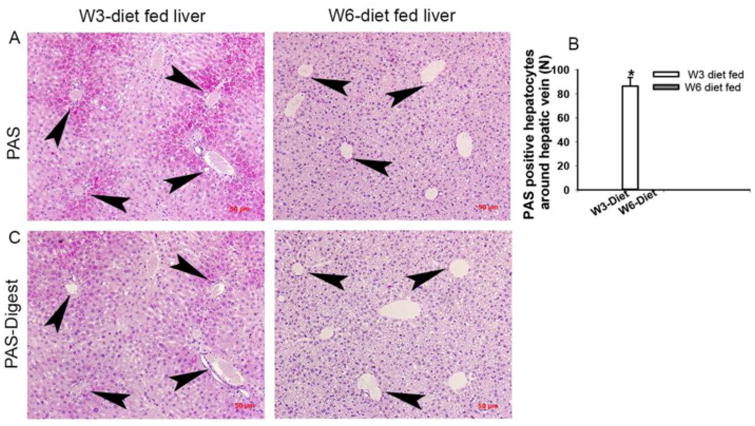
Figure 3. Differential regulation of hepatic glycogen storage by dietary PUFA
Liver sections stained with Periodic Acid-Schiff (PAS) showed glycogen-containing hepatocytes around the regions of central vein and portal area of hepatic lobules in mice fed ω-3 diet but absent in ω-6 diet group (A and B). The hepatic glycogen was digested using PAS-diastase staining (PAS-Digest) (C). Images were taken with magnification of 200× (A and C) and (n=5) [*=p<0.05].
Figure 4
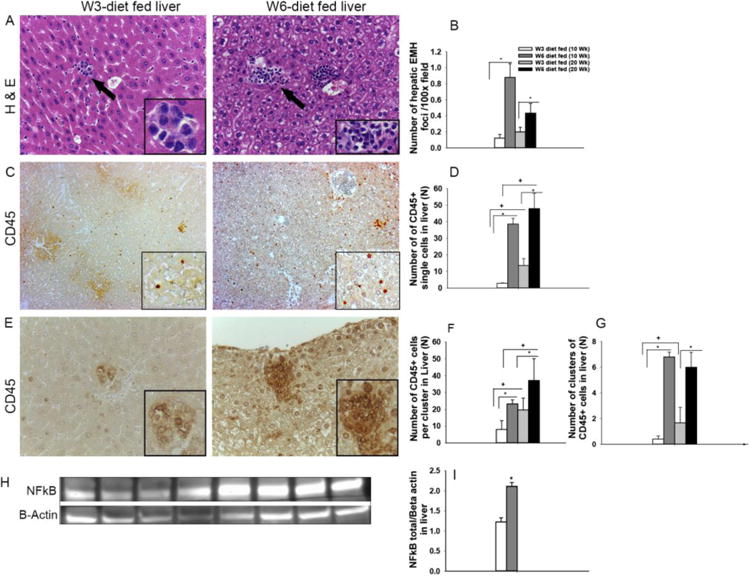
Figure 4. Differential regulation of hepatic extramedullary myleopoeisis (EMM) by PUFA
Livers of mice were compared for hepatic EMM by counting the number and size of EMM foci in 10 microscopic fields/sample by H & E staining (A) (n= 3 to10). Arrows indicate a focus of EMM. Comparison of EMM foci between 10 weeks and 20-week diet fed mice of the dietary groups (B). Analysis of 100× magnified fields of CD45 stained liver sections for CD45+ single cells (C and D). Analysis of number and size of CD45+ cell clusters in dietary groups (E, F, and G). Images were taken at a magnification of 400× (A) and 100× (C and E). Hepatic NF kB protein expression was significantly higher in the ω-6 as assessed based on Western blots (H and I) [*=p<0.05].
Figure 5
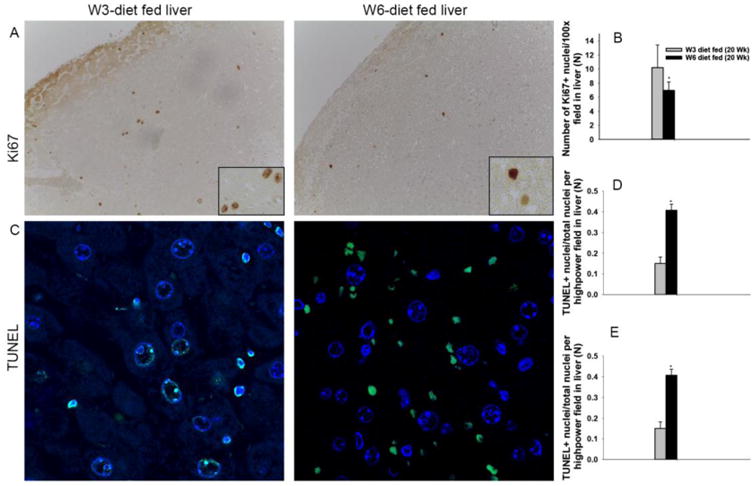
Figure 5. Dietary PUFA regulation of hepatocyte proliferation, and apoptosis
The livers of mice fed ω-3 and ω-6 diets for 20 weeks were compared based on proliferation (Ki67) and apoptosis (TUNEL) by counting the number of positive cells per 10 microscopic fields per sample (n=3). The number of proliferating hepatocytes observed are shown in A and B. The number of TUNEL+ (apoptotic) nuclei (C and D) and apoptotic nuclei relative to total nuclei (C and E) observed in are shown. Images were taken at a magnification of 100× (A) and 630× (C) respectively [*=p<0.05].

References

    1. Spychalla JP, Kinney AJ, Browse J. Identification of an animal omega-3 fatty acid desaturase by heterologous expression in Arabidopsis. Proceedings of the National Academy of Sciences of the United States of America. 1997;94:1142–7. - PMC - PubMed
    1. Simopoulos AP. The importance of the omega-6/omega-3 fatty acid ratio in cardiovascular disease and other chronic diseases. Exp Biol Med (Maywood) 2008;233:674–88. - PubMed
    1. Calder PC. Fatty acids and inflammation: the cutting edge between food and pharma. European journal of pharmacology. 2011;668(Suppl 1):S50–8. - PubMed
    1. Kuehl F, Egan R. Prostaglandins, arachidonic acid, and inflammation. Science. 1980;210:978–84. - PubMed
    1. Serhan CN, Hong S, Gronert K, Colgan SP, Devchand PR, Mirick G, et al. A Family of Bioactive Products of Omega-3 Fatty Acid Transformation Circuits Initiated by Aspirin Treatment that Counter Proinflammation Signals. Resolvins. 2002;196:1025–37. - PMC - PubMed

Publication types

MeSH terms

LinkOut - more resources