


Antibody-Drug Conjugates: Pharmacokinetic/Pharmacodynamic Modeling, Preclinical Characterization, Clinical Studies, and Lessons Learned
- PMID: 29188435
- PMCID: PMC6252075
- DOI: 10.1007/s40262-017-0619-0
Antibody-Drug Conjugates: Pharmacokinetic/Pharmacodynamic Modeling, Preclinical Characterization, Clinical Studies, and Lessons Learned
Abstract
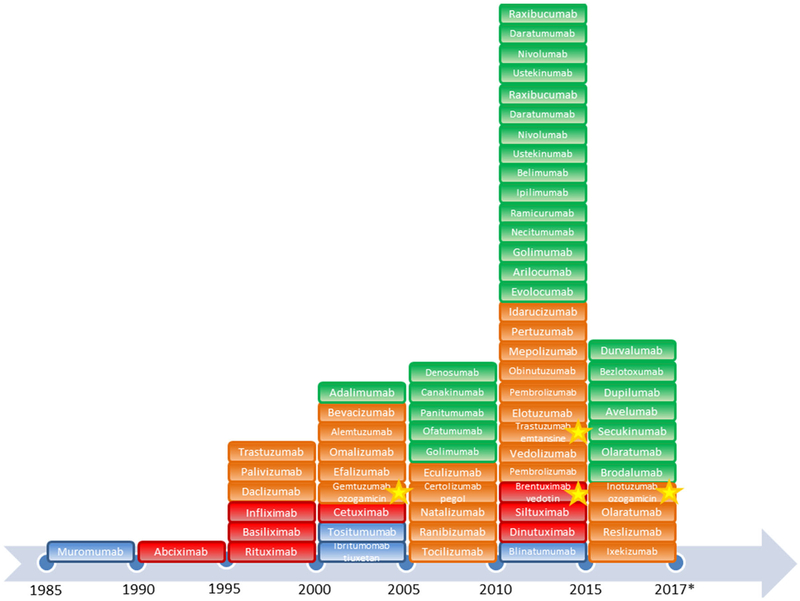
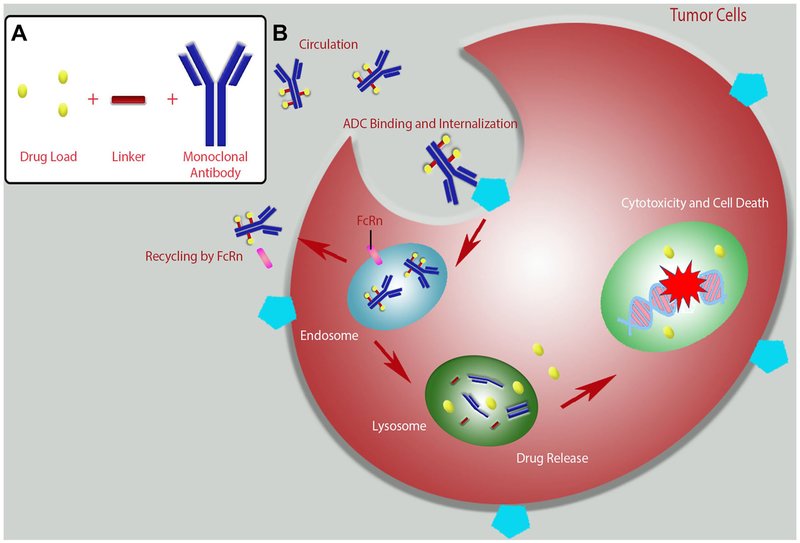
Antibody-drug conjugates are an emerging class of biopharmaceuticals changing the landscape of targeted chemotherapy. These conjugates combine the target specificity of monoclonal antibodies with the anti-cancer activity of small-molecule therapeutics. Several antibody-drug conjugates have received approval for the treatment of various types of cancer including gemtuzumab ozogamicin (Mylotarg®), brentuximab vedotin (Adcetris®), trastuzumab emtansine (Kadcyla®), and inotuzumab ozogamicin, which recently received approval (Besponsa®). In addition to these approved therapies, there are many antibody-drug conjugates in the drug development pipeline and in clinical trials, although these fall outside the scope of this article. Understanding the pharmacokinetics and pharmacodynamics of antibody-drug conjugates and the development of pharmacokinetic/pharmacodynamic models is indispensable, albeit challenging as there are many parameters to incorporate including the disposition of the intact antibody-drug conjugate complex, the antibody, and the drug agents following their dissociation in the body. In this review, we discuss how antibody-drug conjugates progressed over time, the challenges in their development, and how our understanding of their pharmacokinetics/pharmacodynamics led to greater strides towards successful targeted therapy programs.
Conflict of interest statement
Conflict of interest
William D. Hedrich, Tamer E. Fandy, HossamM. Ashour, Hongbing Wang, and Hazem E. Hassan have no conflicts of interest directly relevant to the content of this article.
Figures
References
Publication types
MeSH terms
Substances
Grants and funding
LinkOut - more resources
Full Text Sources
Other Literature Sources
