


Comparative Analysis of Soybean Root Proteome Reveals Molecular Basis of Differential Carboxylate Efflux under Low Phosphorus Stress
- PMID: 29189708
- PMCID: PMC5748659
- DOI: 10.3390/genes8120341
Comparative Analysis of Soybean Root Proteome Reveals Molecular Basis of Differential Carboxylate Efflux under Low Phosphorus Stress
Abstract
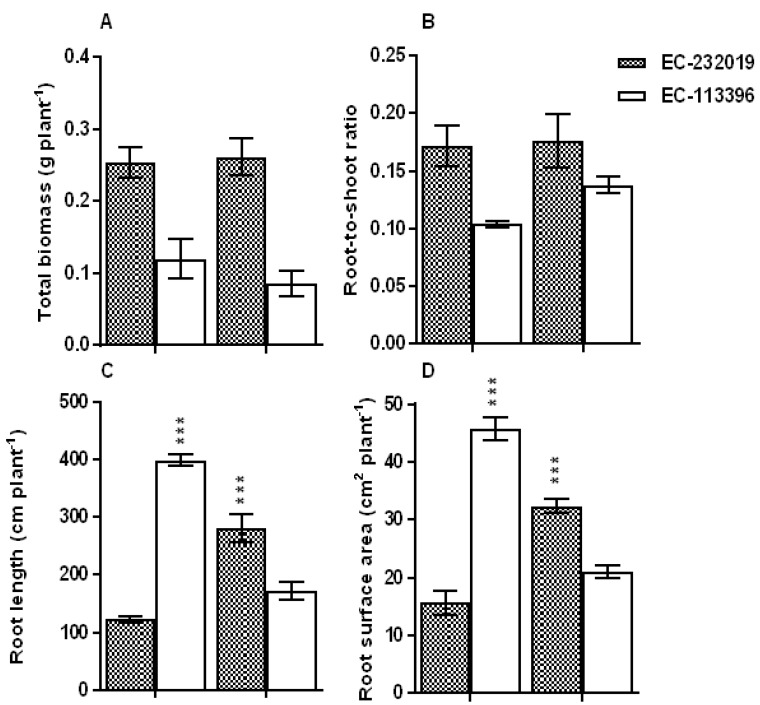
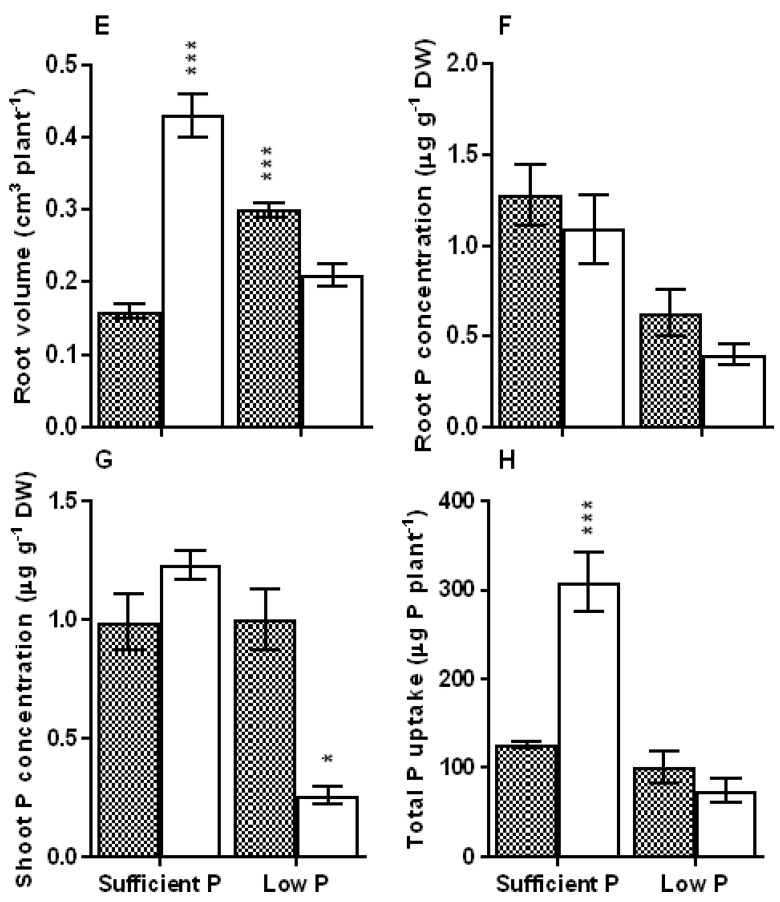
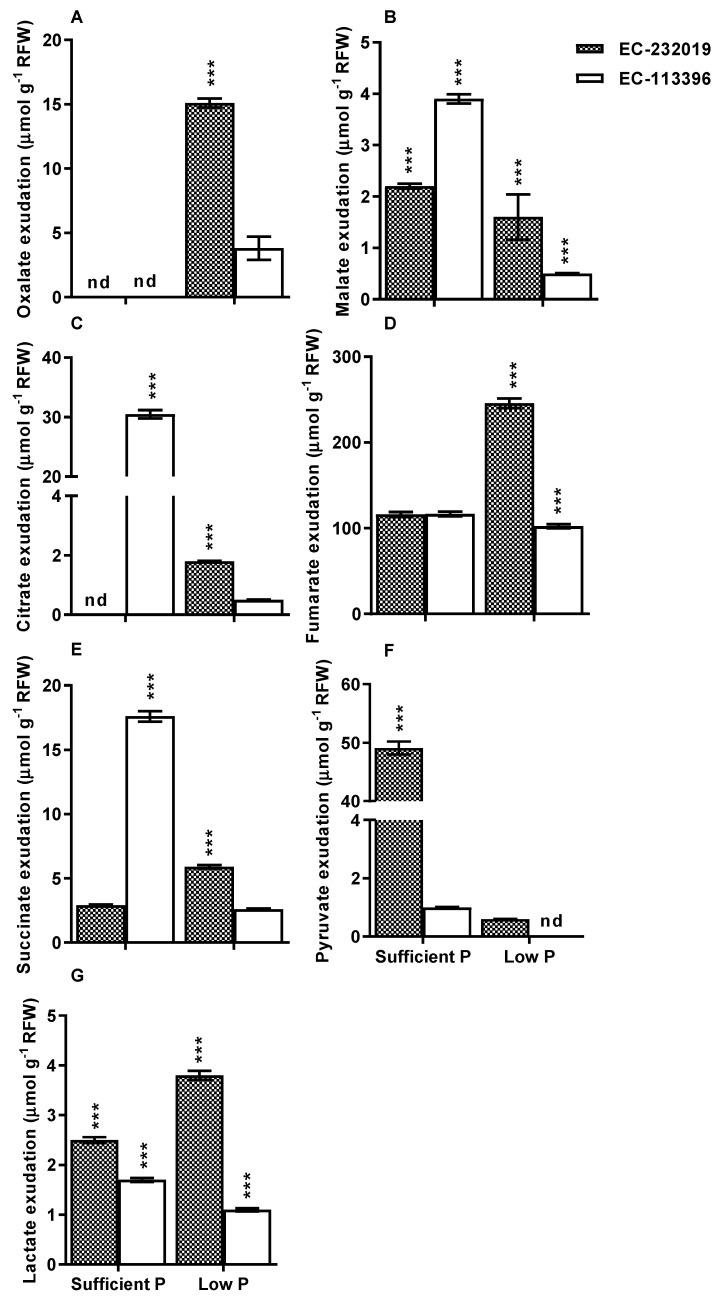
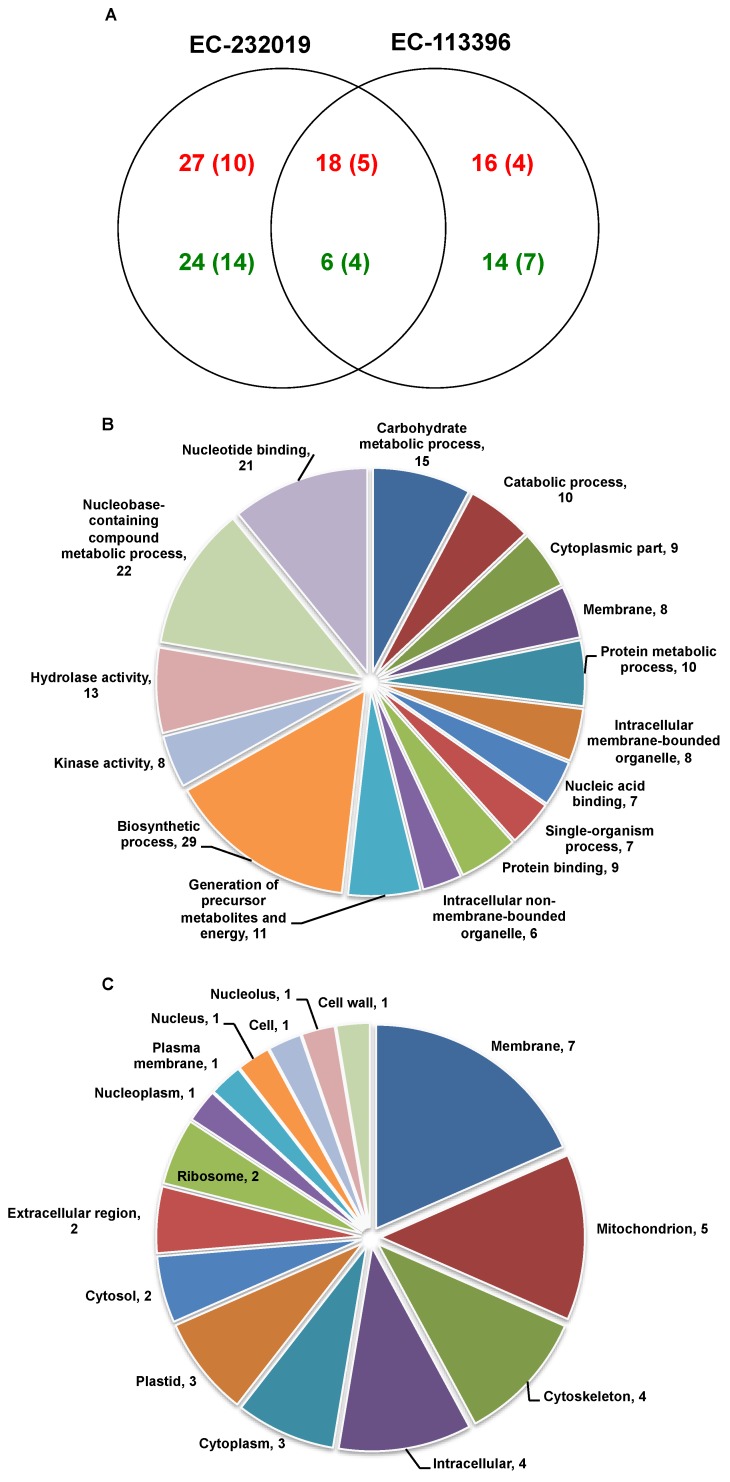
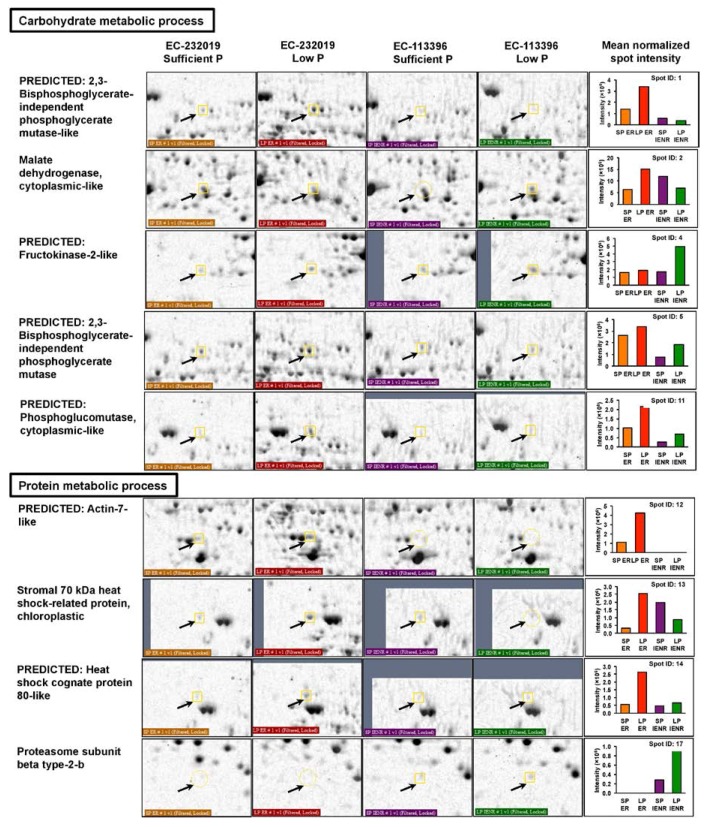
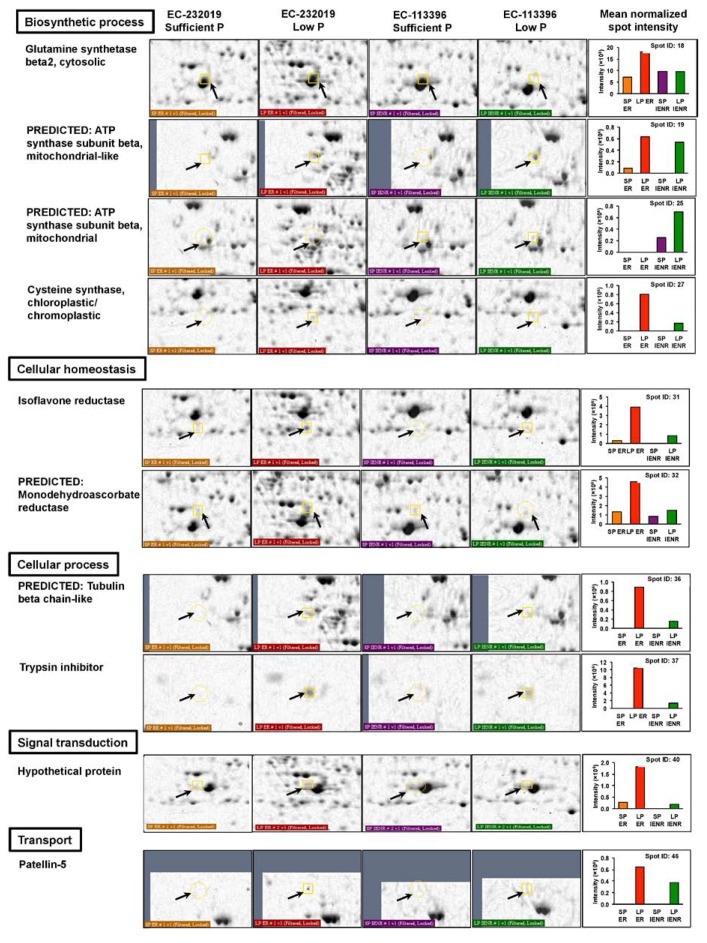
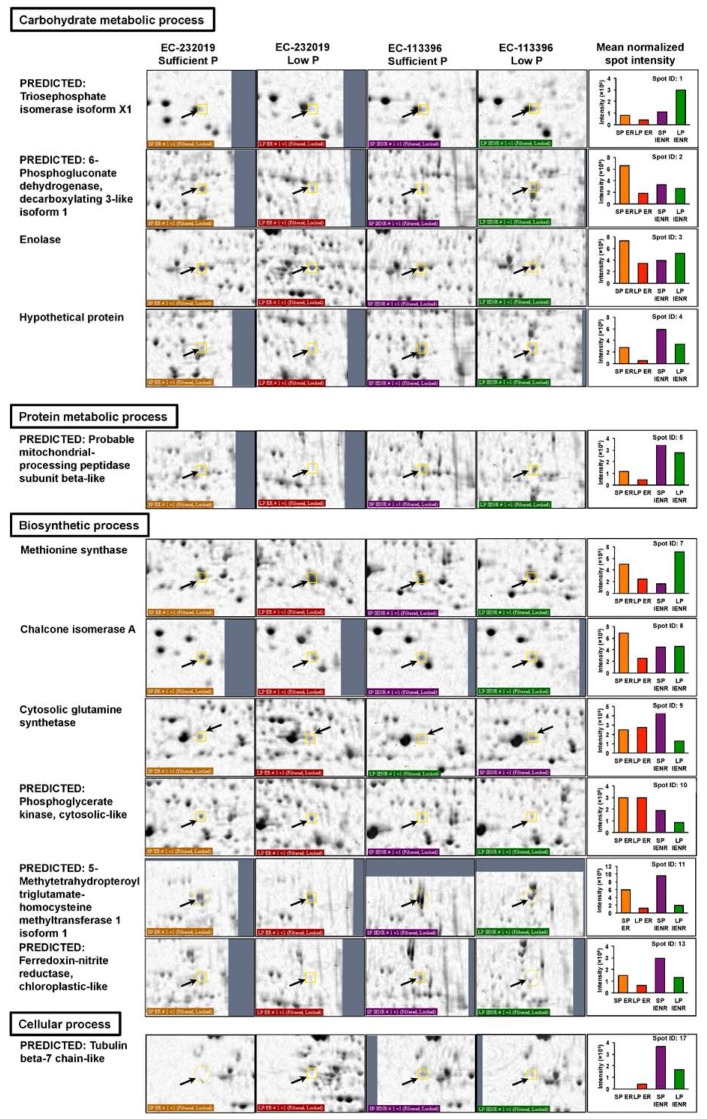
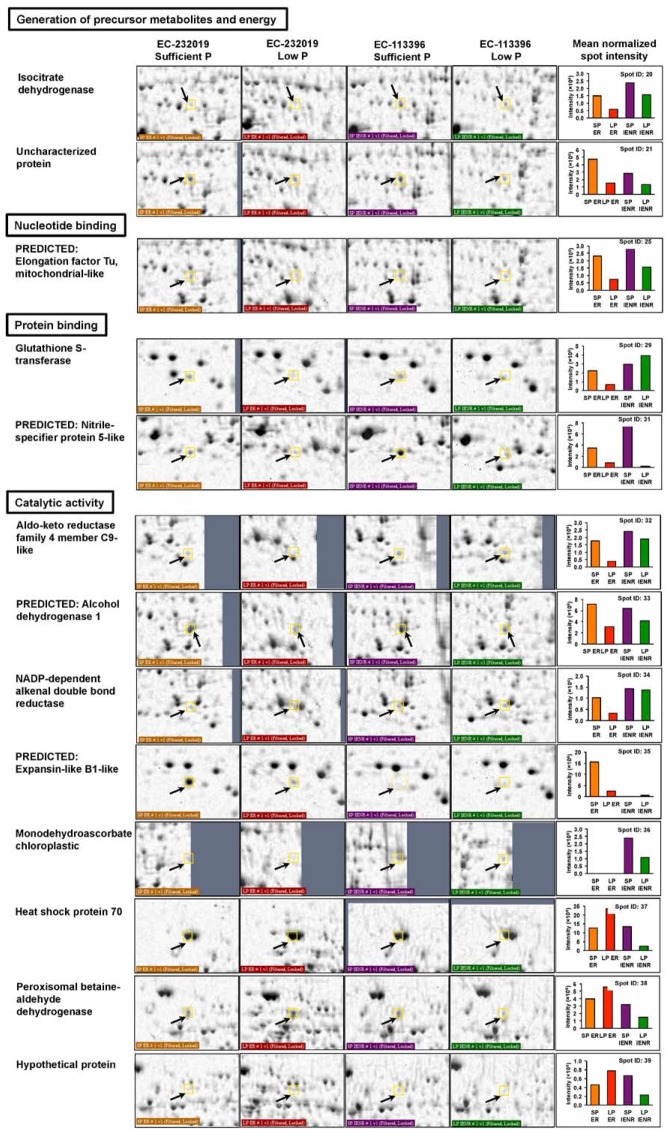
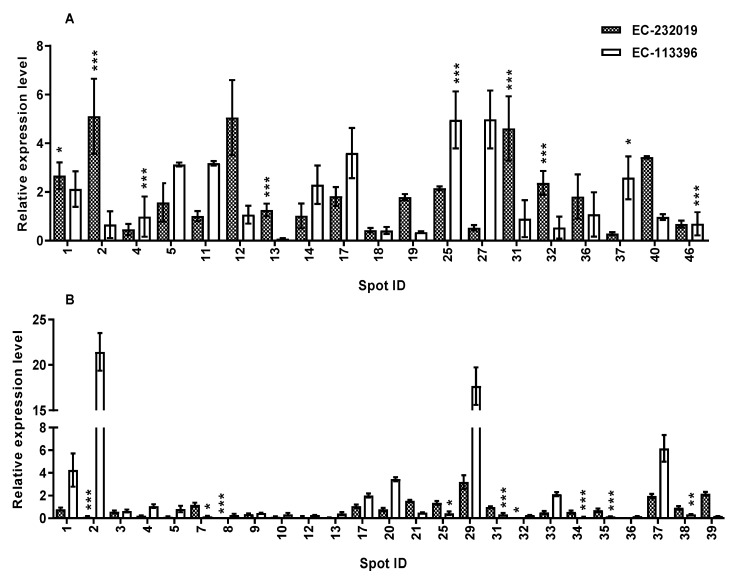
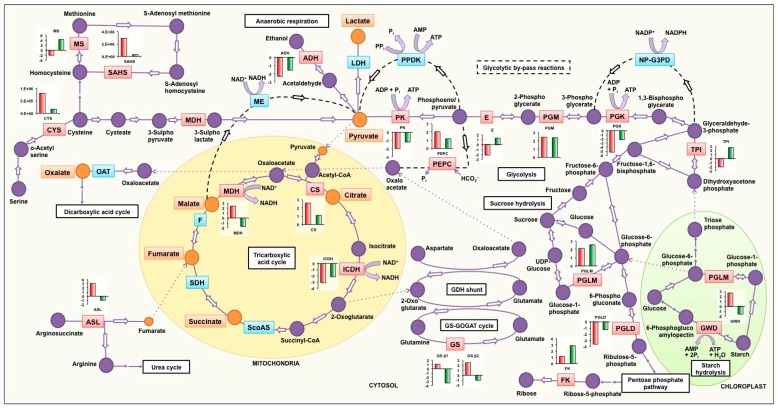
Carboxylate efflux from roots is a crucial and differential response of soybean genotypes to low phosphorus (P) stress. Exudation of carboxylic acids including oxalate, citrate, succinate and fumarate was induced under low P stress, particularly in P-efficient soybean genotypes. Enhancement of root length, surface area and volume further improved P acquisition under low P stress. To understand the molecular basis of carboxylate efflux under low P stress, the root proteome of contrasting genotypes (P-efficient: EC-232019 and P-inefficient: EC-113396) was compared. Among a total of 325 spots, 105 (32%) were differentially abundant proteins (DAPs) between sufficient (250 µM) and low P (4 µM) levels. Abundance of 44 (14%) proteins decreased by more than two-fold under low P stress, while 61 (19%) proteins increased by more than two-fold. Protein identification and annotation revealed that the DAPs were involved in a myriad of functions including carboxylic acid synthesis, carbohydrate, protein and lipid metabolism. Proteins with significant abundance included malate dehydrogenase, isocitrate dehydrogenase, phosphoglucomutase, phosphoglycerate mutase, fructokinase, enolase, phosphoglycerate kinase, triosephosphate isomerase, alcohol dehydrogenase, glucan water dikinase, glutamine synthetase and argininosuccinate lyase. Inferences from proteomic analysis suggests the crosstalk between various metabolic pathways implicated in conferring superior P acquisition efficiency under stress.
Keywords: Glycine max; carboxylate efflux; gene expression analysis; mass spectrometry; phosphorus stress; root proteome; two-dimensional gel electrophoresis.
Conflict of interest statement
The authors declare no conflict of interest. The funding sponsors had no role in the design of the study; in the collection, analyses, or interpretation of data; in the writing of the manuscript, and in the decision to publish the results.
Figures
References
-
- Jones D.L., Dennis P.G., Owen A.G., van Hees P.A.W. Organic acid behavior in soils—Misconceptions and knowledge gaps. Plant Soil. 2003;248:31–41. doi: 10.1023/A:1022304332313. - DOI
-
- Neumann G., Romheld V. The release of root exudates as affected by the plant physiological status. In: Pinton R., Varanini Z., Nannipieri Z., editors. The Rhizosphere: Biochemistry and Organic Substances at the Soil-Plant Interface. CRC Press; Boca Raton, FL, USA: 2007. pp. 23–71.
LinkOut - more resources
Full Text Sources
Other Literature Sources
