


Evaluation of Mitoquinone for Protecting Against Amikacin-Induced Ototoxicity in Guinea Pigs
- PMID: 29194212
- PMCID: PMC5728173
- DOI: 10.1097/MAO.0000000000001638
Evaluation of Mitoquinone for Protecting Against Amikacin-Induced Ototoxicity in Guinea Pigs
Abstract
Hypothesis: Mitoquinone (MitoQ) attenuates amikacin ototoxicity in guinea pigs.
Background: MitoQ, a mitochondria-targeted derivative of the antioxidant ubiquinone, has improved bioavailability and demonstrated safety in humans. Thus, MitoQ is a promising therapeutic approach for protecting against amikacin-induced ototoxicity.
Methods: Both oral and subcutaneous administrations of MitoQ were tested. Amikacin-treated guinea pigs (n = 12-18 per group) received water alone (control) or MitoQ 30 mg/l-supplemented drinking water; or injected subcutaneously with 3 to 5 mg/kg MitoQ or saline (control). Auditory brainstem responses and distortion product otoacoustic emissions were measured before MitoQ or control solution administration and after amikacin injections. Cochlear hair cell damage was assessed using scanning electron microscopy and Western blotting.
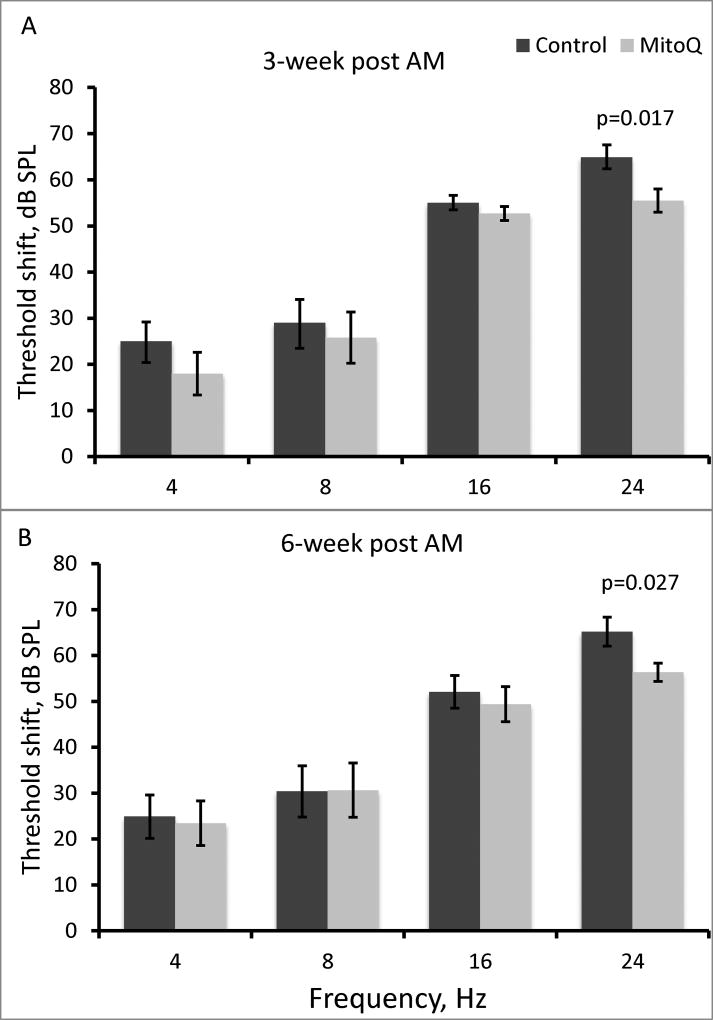
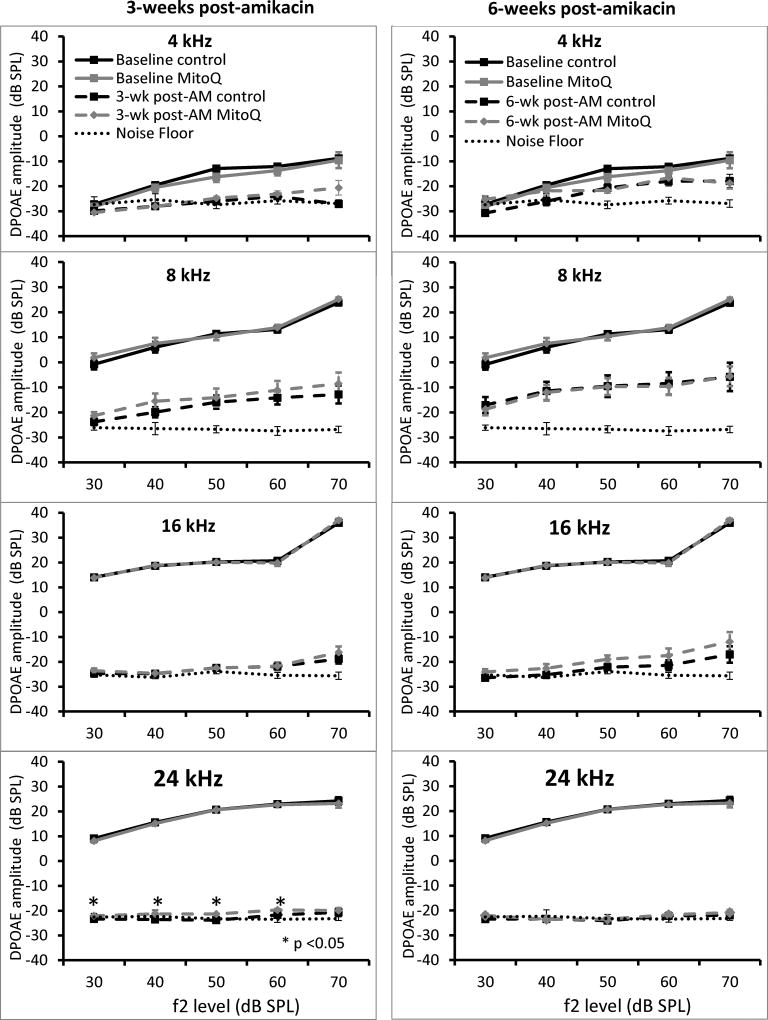
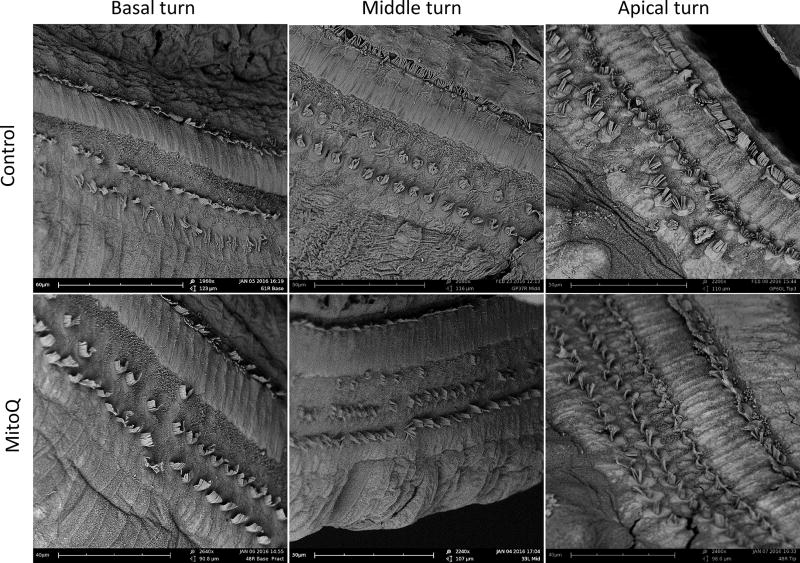
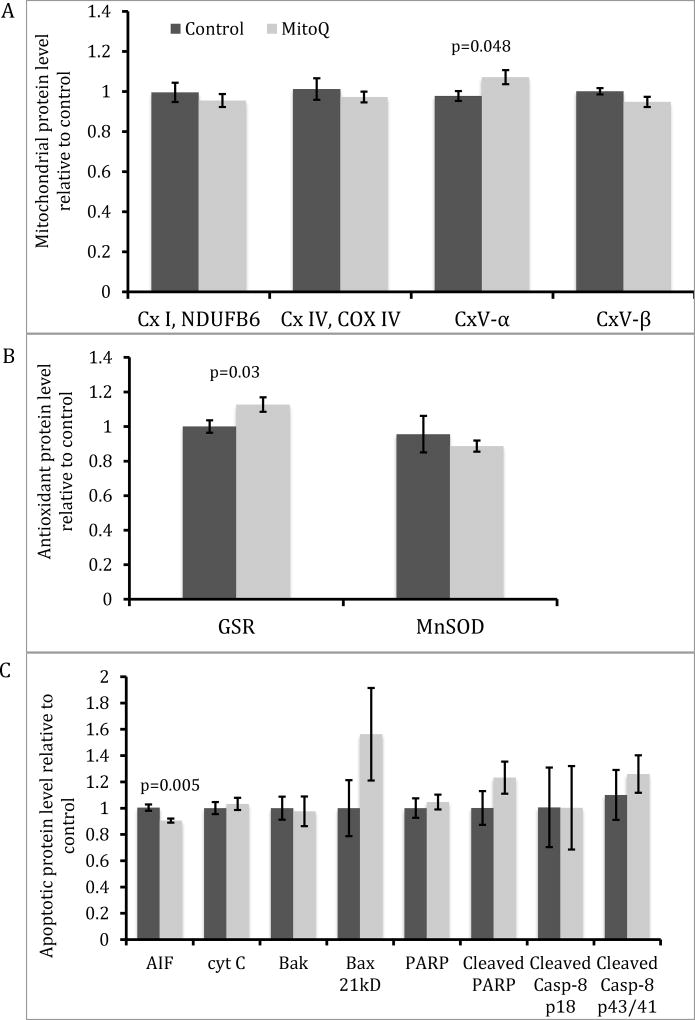
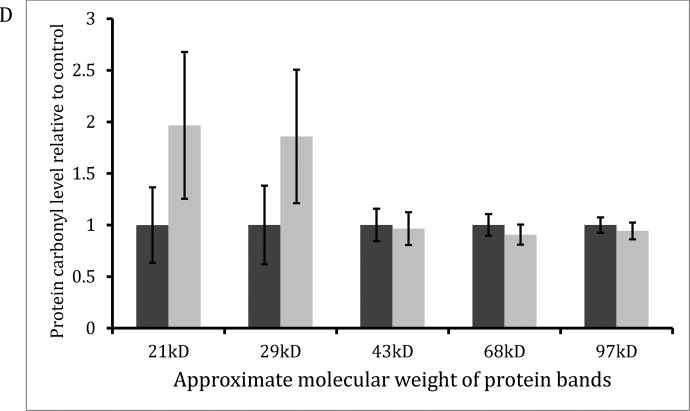
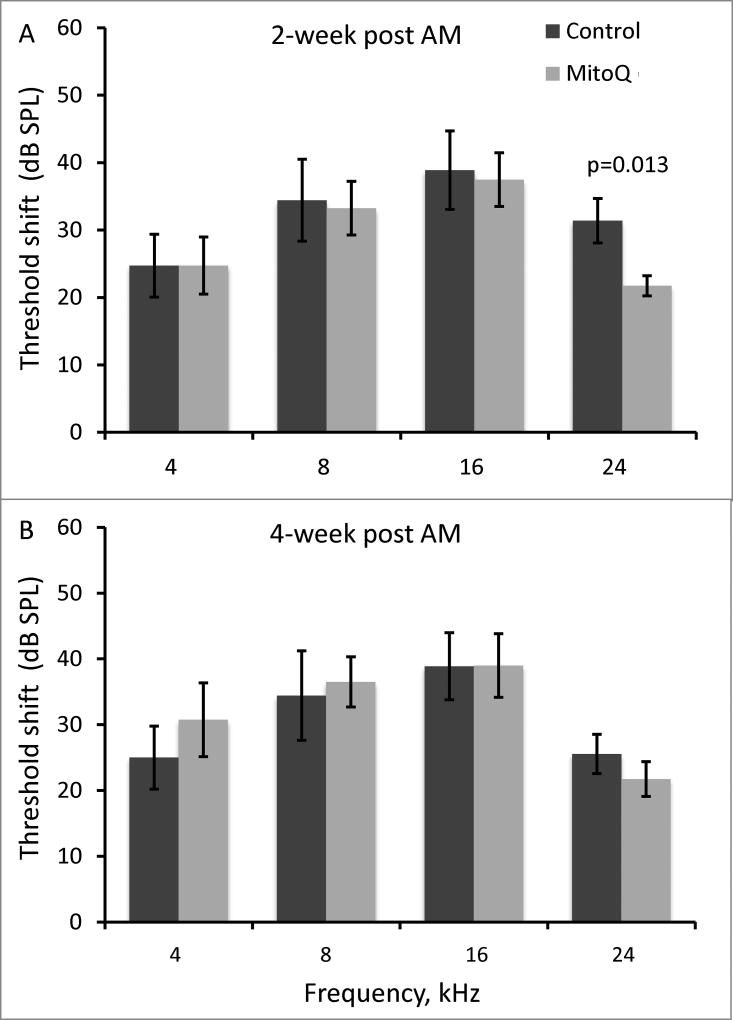
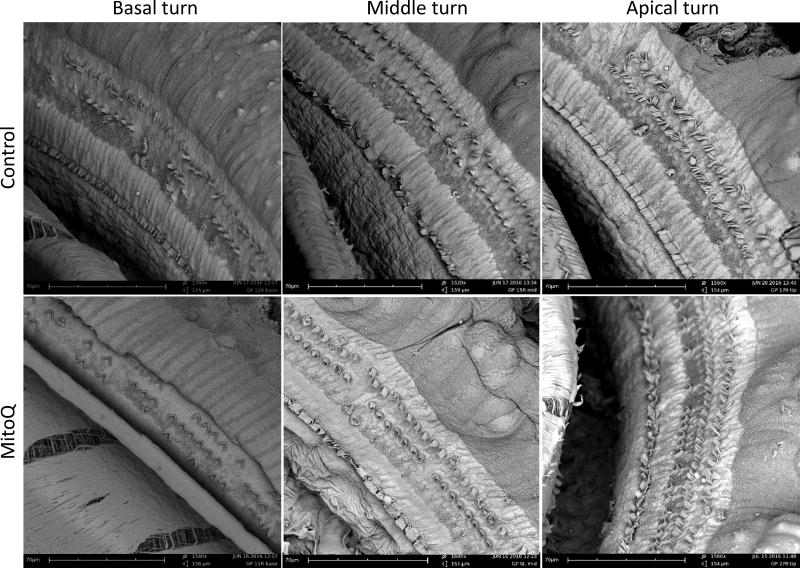
Results: With oral administration, animals that received 30 mg/l MitoQ had better hearing than controls at only 24 kHz at 3-week (p = 0.017) and 6-week (p = 0.027) post-amikacin. With subcutaneous administration, MitoQ-injected guinea pigs had better hearing than controls at only 24 kHz, 2-week post-amikacin (p = 0.013). Distortion product otoacoustic emission (DPOAE) amplitudes were decreased after amikacin injections, but were not different between treatments (p > 0.05). Electron microscopy showed minor difference in outer hair cell loss between treatments. Western blotting demonstrated limited attenuation of oxidative stress in the cochlea of MitoQ-supplemented guinea pigs.
Conclusions: Oral or subcutaneous MitoQ provided limited protection against amikacin-induced hearing loss and cochlear damage in guinea pigs. Other strategies for attenuating aminoglycoside-induced ototoxicity should be explored.
Conflict of interest statement
The authors have no financial conflicts to disclose.
Figures
References
-
- Mascaretti O. Bacteria versus antibacterial agents: an integrated approach. ASM Press; Washington, DC: 2003. pp. 229–333.
-
- Hiel H, Schamel A, Erre JP, Hayashida T, Dulon D, Aran JM. Cellular and subcellular localization of tritiated gentamicin in the guinea pig cochlea following combined treatment with ethacrynic acid. Hearing research. 1992;57(2):157–165. - PubMed
MeSH terms
Substances
Grants and funding
LinkOut - more resources
Full Text Sources
Other Literature Sources
Medical
