


Evidence-based management of Raynaud's phenomenon
- PMID: 29201156
- PMCID: PMC5700788
- DOI: 10.1177/1759720X17740074
Evidence-based management of Raynaud's phenomenon
Abstract
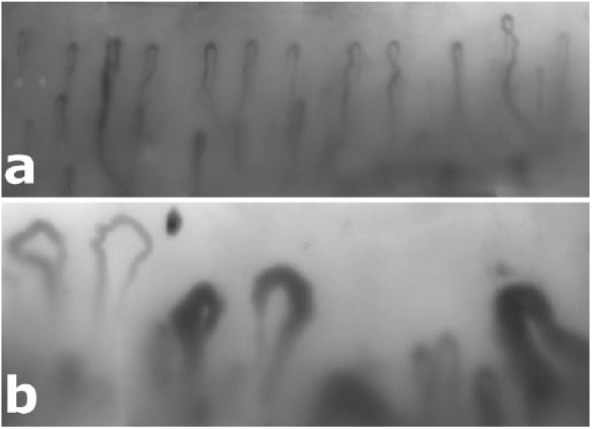
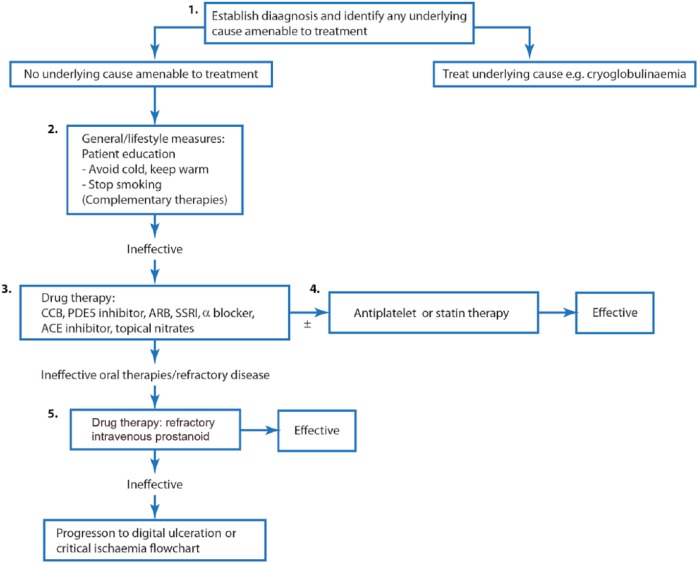
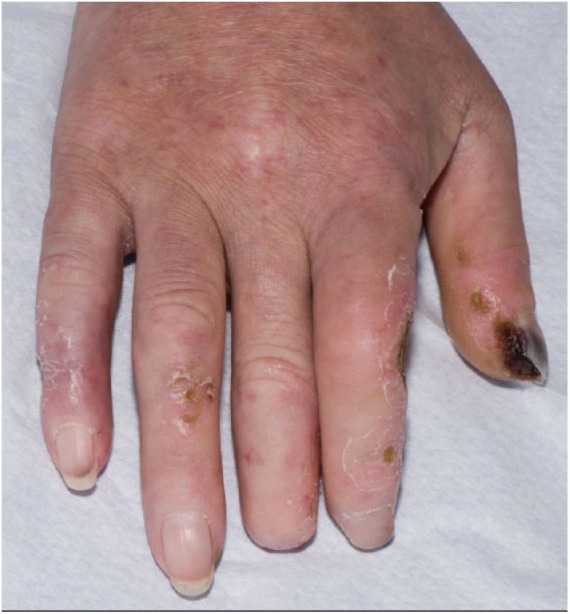
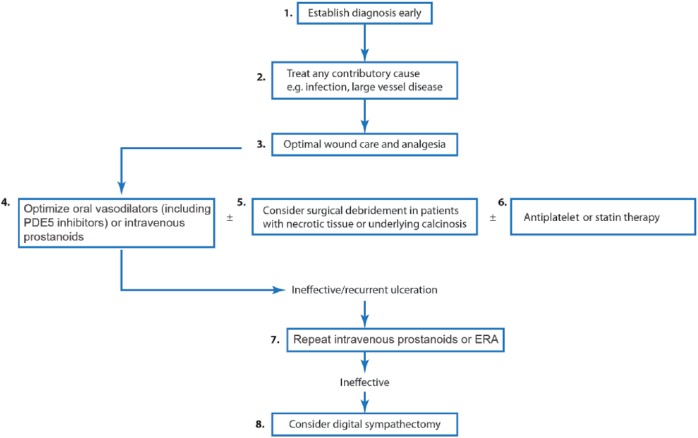
Raynaud's phenomenon (RP) is relevant to the rheumatologist because it may signify an underlying connective tissue disease and also because it can be very challenging to treat, especially when it has progressed to digital ulceration or critical ischaemia. This review article discusses diagnosis (does this patient have an underlying connective tissue disease?), including the role for nailfold capillaroscopy, and treatment. Management of 'uncomplicated' RP is first described and then treatment of RP complicated by progression to digital ulceration or critical ischaemia, highlighting recent advances (including phosphodiesterase type 5 inhibition, and endothelin 1 receptor antagonism) and the evidence base underpinning these. Possible future therapies are briefly discussed.
Keywords: Raynaud’s phenomenon; critical ischaemia; digital ulceration; systemic sclerosis; treatment.
Conflict of interest statement
Conflict of interest statement: ALH has done consultancy work for Actelion, served on a Data Safety Monitoring Board for Apricus, received research funding and speaker’s fees from Actelion, and speaker’s fees from GSK.
Figures
References
-
- Wigley FM, Flavahan NA. Raynaud’s phenomenom. N Eng J Med 2016; 375: 556–565. - PubMed
-
- Nihtyanova SI, Brough GM, Black CM, et al. Clinical burden of digital vasculopathy in limited and diffuse cutaneous systemic sclerosis. Ann Rheum Dis 2008; 67: 120–123. - PubMed
-
- Hughes M, Herrick AL. Digital ulcers in systemic sclerosis. Rheumatology (Oxford) 2016; 56: 14–25. - PubMed
-
- Wilkinson J. Design and reporting of randomised controlled trials for Raynaud’s phenomenon. In: Wigley RM, Herrick AL, Flavahan NA. (eds) Raynaud’s phenomenon: a guide to pathogenesis and treatment. New York: Springer, 2015, pp.287–297.
Publication types
LinkOut - more resources
Full Text Sources
Other Literature Sources
