


Protein and fat meal content increase insulin requirement in children with type 1 diabetes - Role of duration of diabetes
- PMID: 29204367
- PMCID: PMC5691219
- DOI: 10.1016/j.jcte.2017.10.002
Protein and fat meal content increase insulin requirement in children with type 1 diabetes - Role of duration of diabetes
Abstract
Background and objective: Hyperglycaemia remains a challenge in type 1 diabetes since current regimes used to determine meal insulin requirements prove to be ineffective. This is particularly problematic for meals containing high amounts of protein and fat. We aimed to determine the post-prandial glycaemic response and total insulin need for mixed meals, using sensor-augmented insulin pumps in children with type 1 diabetes.
Methods: Twenty-two children with type 1 diabetes, aged 4-17 years on insulin pump therapy completed this home-based, cross-over, randomised controlled trial. Two meals with identical carbohydrate content - one with low fat and protein (LFLP) and one with high fat and protein (HFHP) contents - were consumed using normal insulin boluses. Blood glucose monitoring was done for 10 h post-meal, with correction bolus insulin given two-hourly if required.
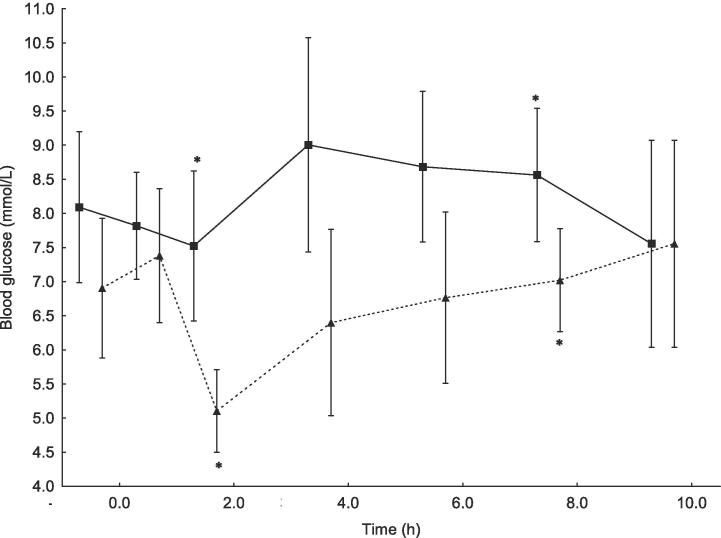
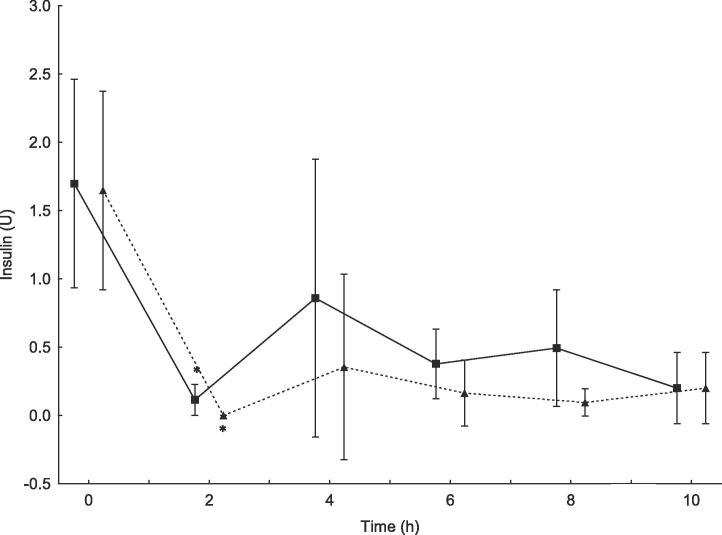
Results: The HFHP meal required significantly more total insulin (3.48 vs. 2.7 units) as a result of increased post-meal correction insulin requirement (1.2 vs. 0.15 units) spread over a longer duration (6 vs. 3 h). The HFHP meals significantly increased the time spent above target glucose level. Duration of diabetes and total daily insulin use significantly influenced the post-prandial blood glucose response to the two meals.
Conclusion: When consuming carbohydrate-based mixed meals, children with type 1 diabetes on insulin pump therapy, required significantly more insulin over a longer period of time than the insulin requirement calculated using current regimes. This additional amount required is influenced by the duration of diabetes and total daily insulin use.
Keywords: Carbohydrate; Glucose; Insulin infusion systems; Protein and fat; Type 1 diabetes.
Figures
References
-
- Hanefeld M., Temelkova-Kurktschiev T. Control of post-prandial hyperglycemia-an essential part of good diabetes treatment and prevention of cardiovascular complications. Nutr Metab Cardiovasc Dis. 2002;12(2):98–107. - PubMed
-
- Smart C., Annan F., Bruno L., Higgins L., Acerini C. Nutritional management in children and adolescents with diabetes. Pediatr Diabetes. 2014;15:135–153. - PubMed
-
- Kordonouri O., Hartmann R., Remus K., Bläsig S., Sadeghian E., Danne T. Benefit of supplementary fat plus protein counting as compared with conventional carbohydrate counting for insulin bolus calculation in children with pump therapy. Pediatr Diabetes. 2012;13(7):540–544. - PubMed
-
- Wolpert H.A., Atakov-Castillo A., Smith S.A., Steil G.M. Dietary fat acutely increases glucose concentrations and insulin requirements in patients with type 1 diabetes: implications for carbohydrate-based bolus dose calculation and intensive diabetes management. Diabetes Care. 2013;36(4):810–816. - PMC - PubMed
LinkOut - more resources
Full Text Sources
Other Literature Sources
Medical
