Review
. 2018 Jan 10;38(1):BSR20171148.
doi: 10.1042/BSR20171148. Print 2018 Feb 28.

Thiamine and selected thiamine antivitamins - biological activity and methods of synthesis

Affiliations
Review

Thiamine and selected thiamine antivitamins - biological activity and methods of synthesis

Adam Tylicki et al. Biosci Rep. .

Abstract

Thiamine plays a very important coenzymatic and non-coenzymatic role in the regulation of basic metabolism. Thiamine diphosphate is a coenzyme of many enzymes, most of which occur in prokaryotes. Pyruvate dehydrogenase and 2-oxoglutarate dehydrogenase complexes as well as transketolase are the examples of thiamine-dependent enzymes present in eukaryotes, including human. Therefore, thiamine is considered as drug or diet supplement which can support the treatment of many pathologies including neurodegenerative and vascular system diseases. On the other hand, thiamine antivitamins, which can interact with thiamine-dependent enzymes impeding their native functions, thiamine transport into the cells or a thiamine diphosphate synthesis, are good propose to drug design. The development of organic chemistry in the last century allowed the synthesis of various thiamine antimetabolites such as amprolium, pyrithiamine, oxythiamine, or 3-deazathiamine. Results of biochemical and theoretical chemistry research show that affinity to thiamine diphosphate-dependent enzymes of these synthetic molecules exceeds the affinity of native coenzyme. Therefore, some of them have already been used in the treatment of coccidiosis (amprolium), other are extensively studied as cytostatics in the treatment of cancer or fungal infections (oxythiamine and pyrithiamine). This review summarizes the current knowledge concerning the synthesis and mechanisms of action of selected thiamine antivitamins and indicates the potential of their practical use.

Keywords: 3-deazathiamine; amprolium; oxythiamine; pyrithiamine; thiamine.


Conflict of interest statement

The authors declare that there are no competing interests associated with the manuscript.

Figures
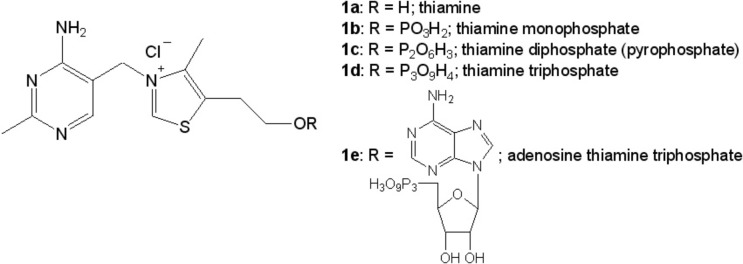
Figure 1
Figure 1. Thiamine and its phosphate derivatives.
Figure 2
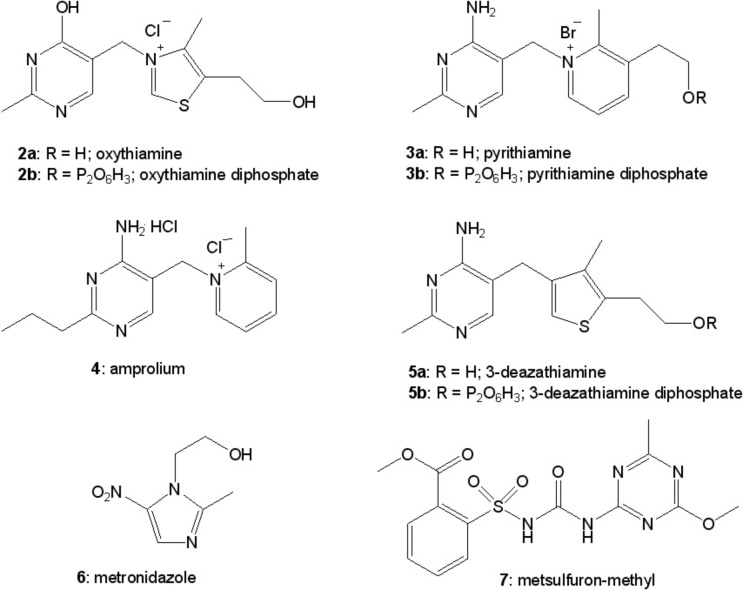
Figure 2. Selected synthetic antivitamins of thiamine.
Figure 3
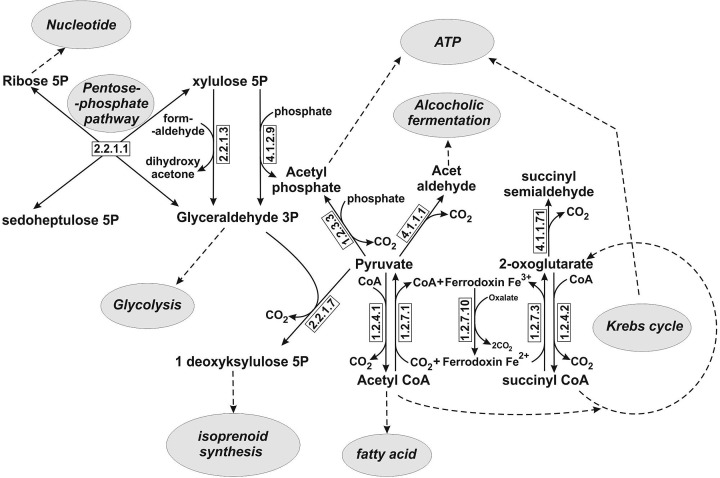
Figure 3. Main metabolic reactions catalyzed by thiamine pyrophosphate-dependent enzymes in prokaryotic cells
Continuous lines represent reactions catalyzed by thiamin pyrophosphate-dependent enzymes whereas dashed lines represent processes which are indirectly linked with thiamin pyrophosphate-dependent enzymes. Symbols above the arrow specify EC numbers of individual enzymes: 1.2.7.3, 2-oxoglutarate ferrodoxin oxidoreductase; 1.2.4.2, 2-oxoglutarate dehydrogenase (component E1 of 2-oxoglutarate dehydrogenase complex; 1.2.7.10, oxalate oxidoreductase; 1.2.7.1, pyruvate ferrodoxin oxidoreductase; 1.2.4.1, pyruvate dehydrogenase (component E1 of pyruvate dehydrogenase complex); 1.2.3.3, pyruvate oxidase; 2.2.1.3, dihydroxyacetone synthase; 2.2.1.1, transketolase; 2.2.1.7, 1-deoxy-D-xylulose 5-phosphate synthase; 4.1.2.9, phosphoketolase; 4.1.1.1, pyruvate decarboxylase; 4.1.1.71, indolepyruvate decarboxylase.
Figure 4
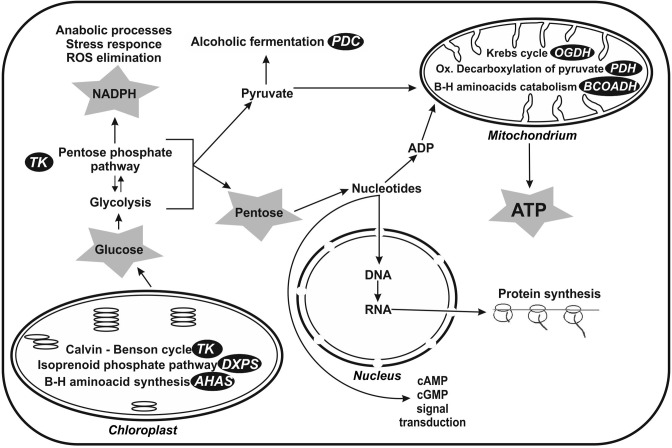
Figure 4. Cell localization of main thiamine diphosphate-dependent enzymes and its participation in metabolic pathways of eukaryotic cells
Shortcuts on a black background indicating the mine enzymes: AHAS, acetohydroxyacid synthase; BCOADH, branched chain 2-oxoacids dehydrogenase (E1 component of branched chain 2-oxoacids dehydrogenase complex); DXPS, 1-deoxy-D-xylulose 5-phosphate synthase; OGDH, 2-oxoglutarate dehydrogenase (E1 component of 2-oxoglutarate dehydrogenase complex); PDC, pyruvate decarboxylase; PDH, pyruvate dehydrogenase (E1 component of pyruvate dehydrogenase complex); TK, transketolase. Gray asterisk – metabolites directly associated with thiamine pyrophosphate-dependent pathways. Thiamine diphosphate-dependent enzymes play a role in photosynthesis in chloroplasts (TK, DXPS), pentose phosphate pathway (TK), and alcoholic fermentation (PDC) in cytoplasm as well as in ATP synthesis by participation in oxidative decarboxylation of pyruvate (PDH) and Krebs cycle (OGDH) in mitochondria. These enzymes are also involved in branched amino acid synthesis (AHAS) and catabolism (BCOADH). Pentose phosphate pathway supplies NADPH which is necessary for anabolic processes and reduction of natural antioxidants. Moreover, it provides pentose necessary for nucleotide synthesis.
Figure 5
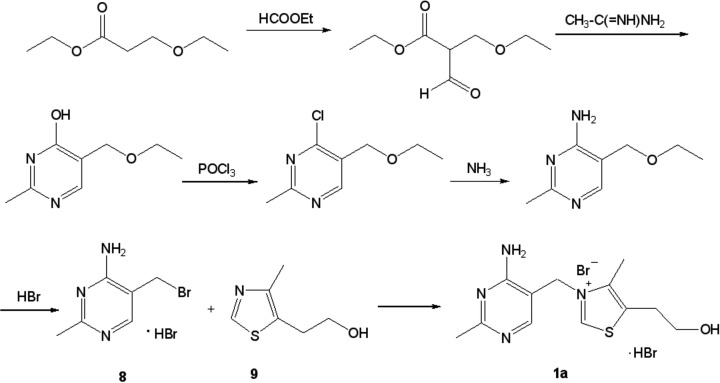
Figure 5. Synthesis of thiamine, method by Williams and Cline [90].
Figure 6
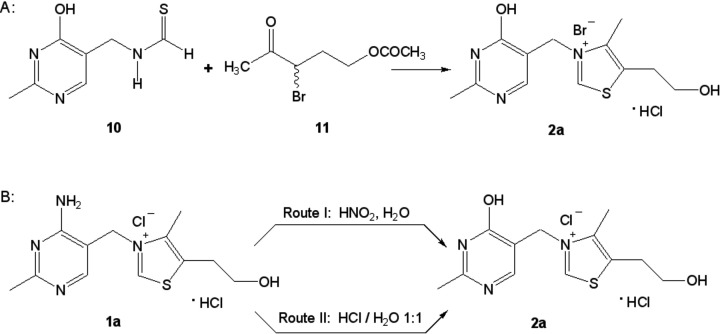
Figure 6. Two methods for synthesis of oxythiamine.
Figure 7
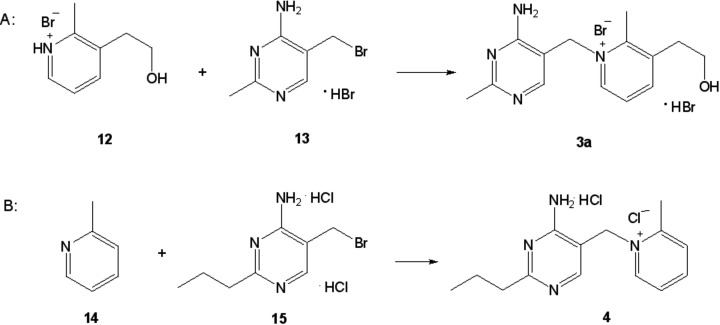
Figure 7. Synthesis of pyrithiamine (A) and amprolium (B).
Figure 8
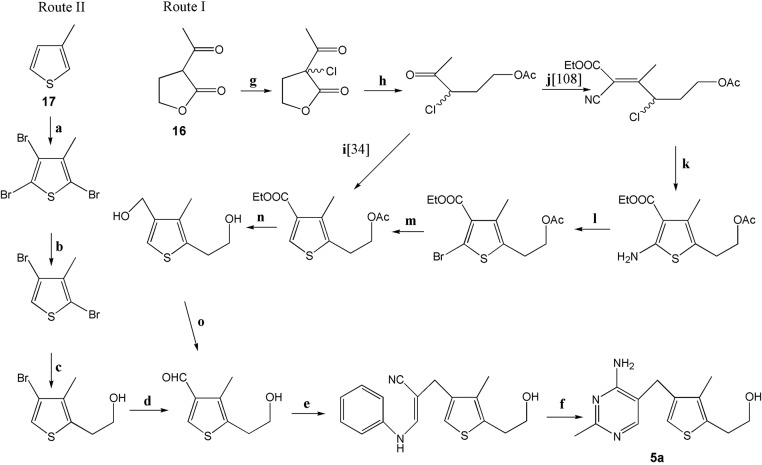
Figure 8. Reagents and reaction conditions of 3-deazathiamine synthesis
(a) (1) Br2, CHCl3; (2) KOH/EtOH, (b) Zn, AcOH [88] or s-BuLi [89], (c) n-BuLi, ethylene oxide, BF3.Et2O, (d) n-BuLi (2 eq), DMF, (e) 3-anilinopropionitrile, NaOMe/MeOH, DMSO, (f) acetamidine hydrochloride, NaOEt/EtOH, (g) SO2Cl2, (h) AcOH, HCl, Ac2O, (i) (1) NaHS; (2) ethyl 3-ethoxyacrylate, LiHMDS; (3) HCl, (j) NCCH2COOEt, AcONH4, C6H5CH3, (k) NaSH, EtOH, (l) CuBr2, t-BuONO, CH3CN, (m) Zn, AcOH, (n) LiAlH4, Et2O, (o) MnO2, CHCl3.
Figure 9
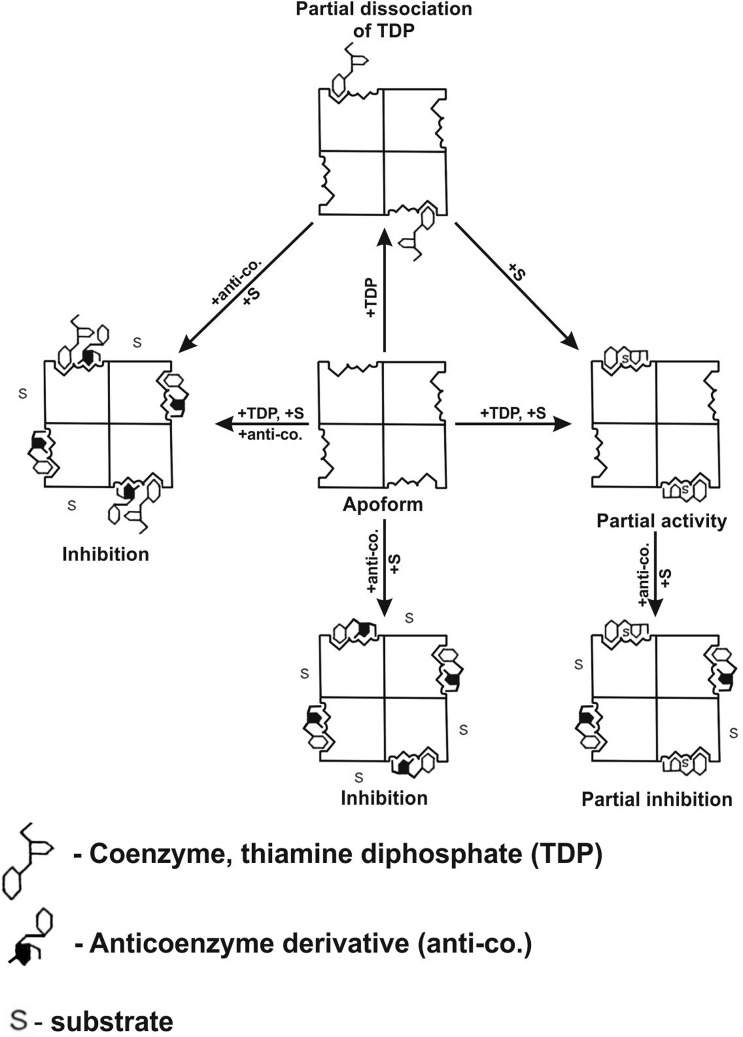
Figure 9. Schematic illustration of the possible functioning of PDHC semisaturated with thiamine pyrophosphate and influence of anti-coenzyme derivatives on enzyme activity
Partial dissociation of the endogenous thiamine pyrophosphate in the absence of substrate allows the binding of anti-coenzyme derivative and inhibition of enzyme in the case of semisaturated as well as saturated concentration of coenzyme. Some anti-coenzyme binding often occurs with the same or even greater affinity in comparison with native coenzyme. Addition of substrate to the enzyme with partially dissociated coenzyme caused reassociation of coenzyme and activation of complex. Addition of substrate to the enzyme containing partially dissociated coenzyme and anti-coenzyme did not cause reactivation of enzyme.
Figure 10
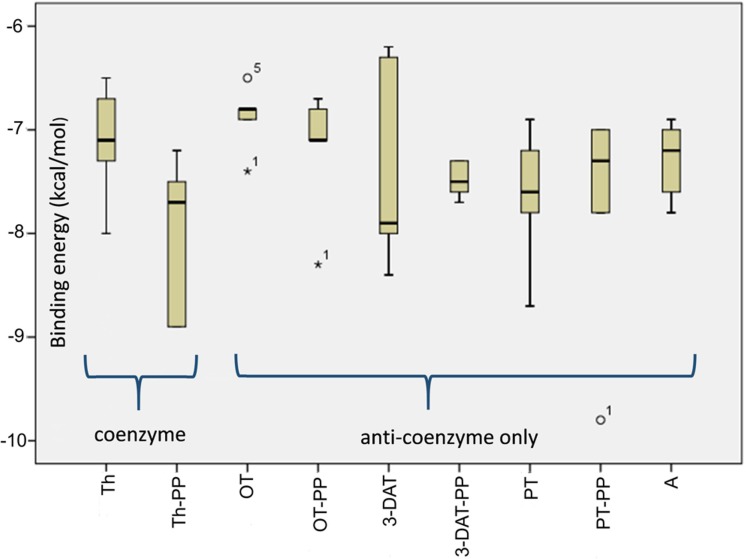
Figure 10. Statistical distribution of binding energies at binding points of thiamine and its derivatives to the pyruvate decarboxylase
3-DAT, 3-deazathiamine; A, amprolium; OT, oxythiamine; PT, pyrithiamine; –PP, diphosphate esters of above mentioned compounds; Th, thiamine.
Figure 11
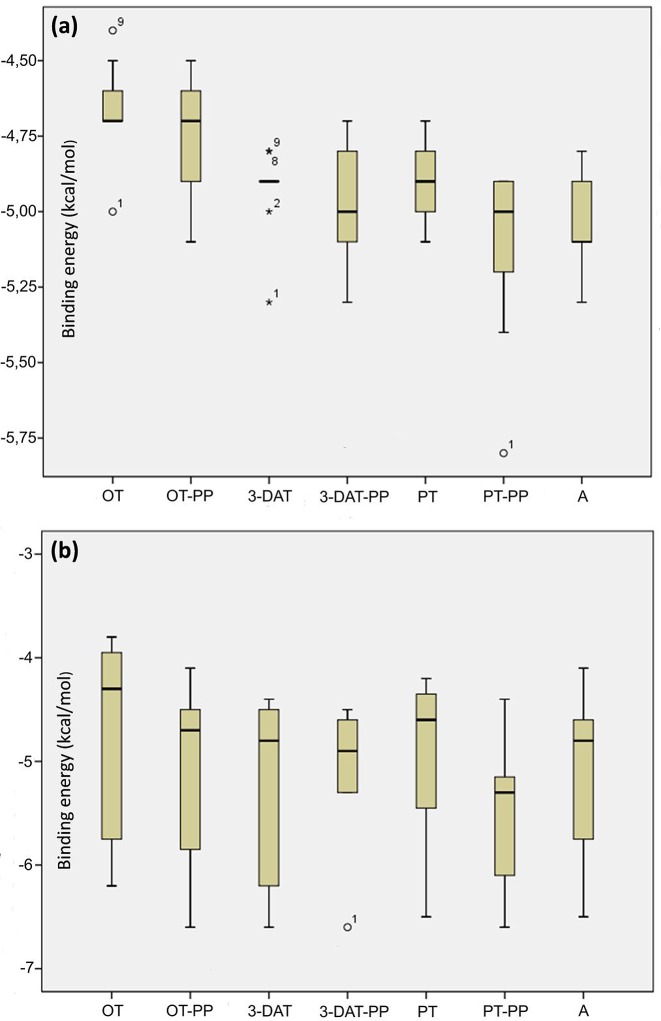
Figure 11. Statistical distribution of binding energies at binding points of thiamine and its derivatives to the pyruvate decarboxylase
(a) binding of anti-coenzymes in the case of thiamine diphosphate already bound with active center, (b) binding of thiamine diphosphate in the case of anti-coenzyme already bound; 3-DAT, 3-deazathiamine; A, amprolium; OT, oxythiamine; PT, pyrithiamine; –PP, diphosphate esters of above mentioned compounds; Th, thiamine.
Figure 12
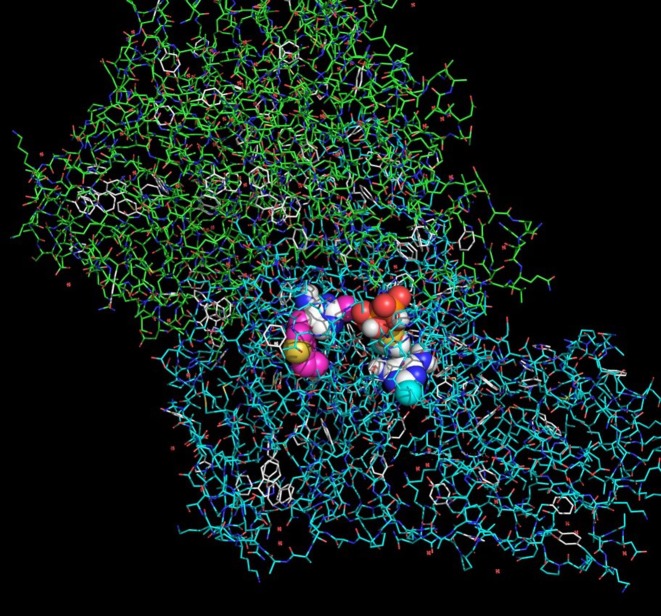
Figure 12. Molecule of 3-deazathiamine blocking the active center of the pyruvate decarboxylase.
Subunit of pyruvate decarboxylase is shown as sticks, 3-deazathiamine (on left) and thiamine diphosphate (on right) are shown as spheres.

References

    1. Zhang K., Bian J., Deng Y., Smith A., Nunez R.E., Li M.B. et al. (2016) Lyme disease spirochaete Borrelia burgdorferi does not require thiamin. Nat. Microbiol. 2, 16213 10.1038/nmicrobiol.2016.213 - DOI - PMC - PubMed
    1. Rapala-Kozik M. (2011) Vitamin B1 (Thiamine): a cofactor for enzymes involved in the main metabolic pathways and an environmental stress protectant. Adv. Bot. Res. 58, 37–91 10.1016/B978-0-12-386479-6.00004-4 - DOI
    1. Tylicki A. and Siemieniuk M. (2011) Thiamine and its derivatives in the regulation of cell metabolism. Post Hig. Med. Dosw. 65, 447–469 10.5604/17322693.951633 - DOI - PubMed
    1. Wuest H.M. (1962) The history of thiamine. Ann. N. Y. Acad. Sci. 98, 385–400 10.1111/j.1749-6632.1962.tb30561.x - DOI - PubMed
    1. Costantini A., Laureti T., Pala M.I., Colangeli M., Cavalieri S., Pozzi E. et al. (2016) Long-term treatment with thiamine as possible medical therapy for Friedreich ataxia. J. Neurol. 263, 2170–2178 10.1007/s00415-016-8244-7 - DOI - PubMed

Publication types

MeSH terms