Review
. 2017 Sep;9(Suppl 10):S1111-S1122.
doi: 10.21037/jtd.2017.07.79.

Diagnosis and management of malignant pleural effusions: state of the art in 2017

Affiliations
Review

Diagnosis and management of malignant pleural effusions: state of the art in 2017

Neeraj R Desai et al. J Thorac Dis. 2017 Sep.

Abstract

Malignant pleural effusion (MPE) is a known complication of both thoracic and extra thoracic malignancies. The presence of MPE regardless of the primary site translates into advanced stage disease. Diagnosis and management of MPE with the goals of palliation and improving quality of life poses a challenge for chest physicians. Recently, multiple studies have made attempts to answer questions regarding optimal management in various clinical scenarios. We will review the current evidence and available options for the management of MPE.

Keywords: Malignant pleural effusion (MPE); medical thoracoscopy; pleurodesis; thoracentesis; tunneled pleural catheter (TPC).


Conflict of interest statement

Conflicts of Interest: The authors have no conflicts of interest to declare.

Figures
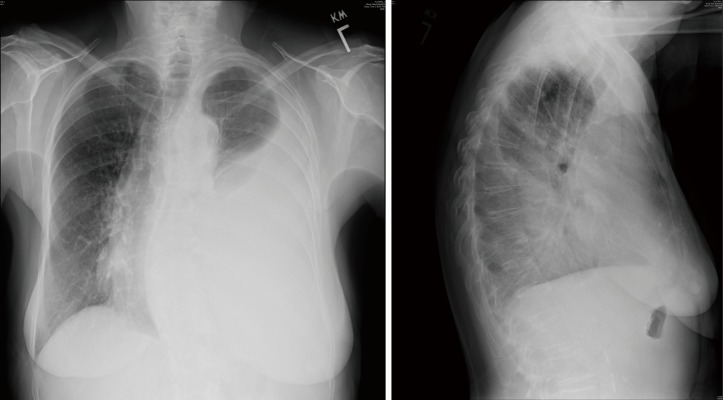
Figure 1
Figure 1
Chest X-ray showing a large left-sided pleural effusion with contralateral mediastinal shift.
Figure 2
Figure 2
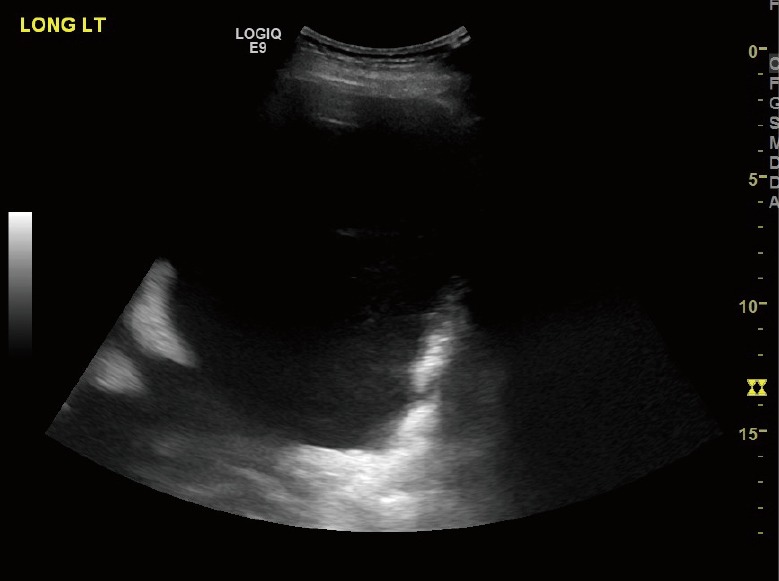
Ultrasound of the chest showing a large pleural effusion (anechoic space).
Figure 3
Figure 3
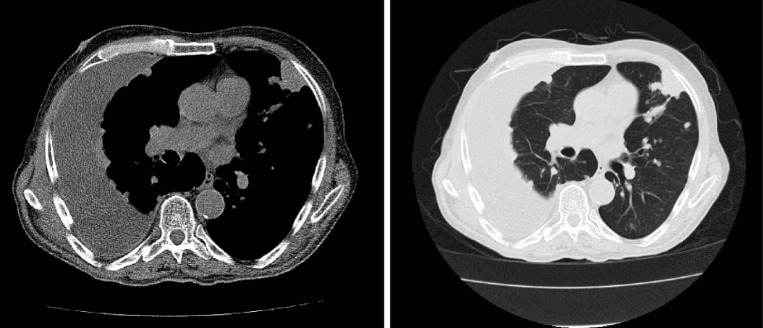
CT scan of the chest showing large right-sided pleural effusion with pleural and parenchymal nodularity. CT, computed tomography.
Figure 4
Figure 4
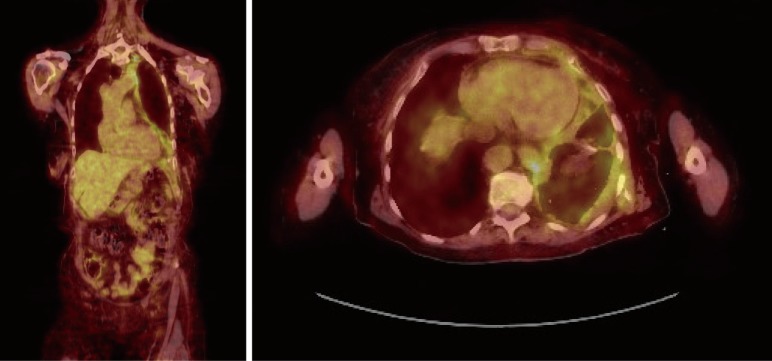
PET showing diffuse increase activity in the patient with mesothelioma.
Figure 5
Figure 5
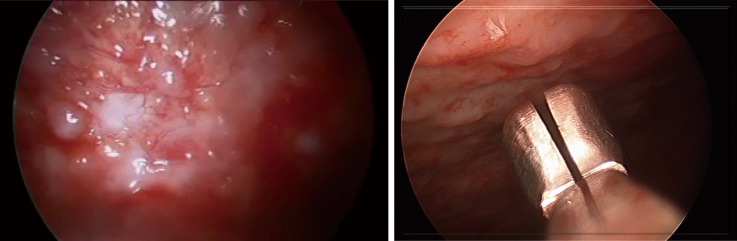
Thoracoscopy view of parietal pleural nodularity with increased vascularity and biopsy forceps.
Figure 6
Figure 6
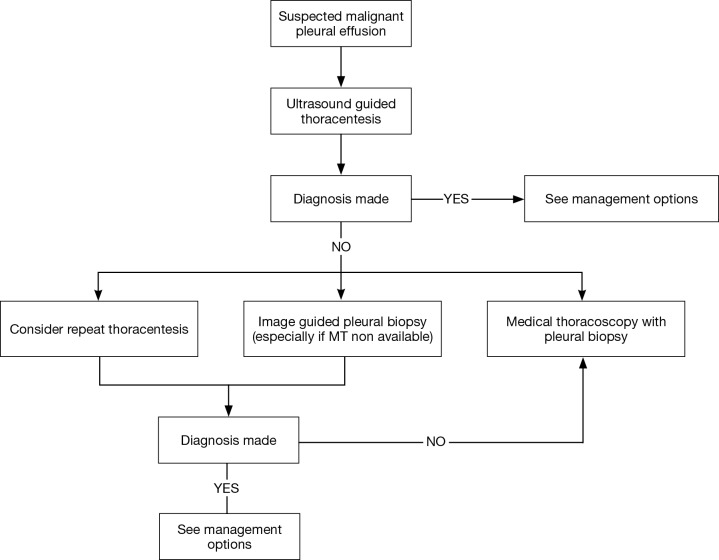
Diagnosis of MPE algorithm. MPE, malignant pleural effusion.
Figure 7
Figure 7
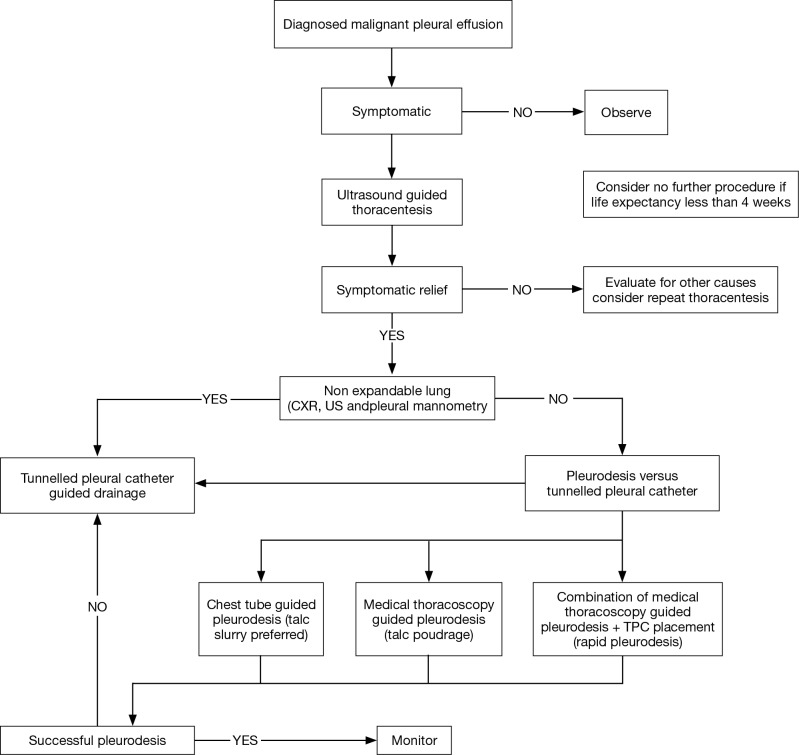
MPE management algorithm.
Figure 8
Figure 8
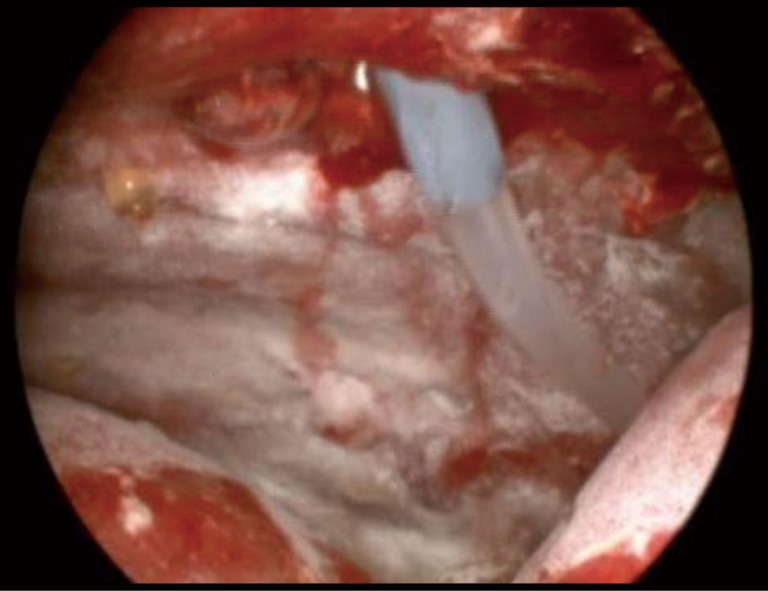
Thoracoscopic view of indwelling pleural catheter after insufflation of talc (part of combined IPC and talc, rapid pleurodesis approach).

References

    1. American Thoracic S. Management of malignant pleural effusions. Am J Respir Crit Care Med 2000;162:1987-2001. 10.1164/ajrccm.162.5.ats8-00 - DOI - PubMed
    1. Roberts ME, Neville E, Berrisford RG, et al. Management of a malignant pleural effusion: British Thoracic Society Pleural Disease Guideline 2010. Thorax 2010;65 Suppl 2:ii32-40. 10.1136/thx.2010.136994 - DOI - PubMed
    1. Burrows CM, Mathews WC, Colt HG. Predicting survival in patients with recurrent symptomatic malignant pleural effusions: an assessment of the prognostic values of physiologic, morphologic, and quality of life measures of extent of disease. Chest 2000;117:73-8. 10.1378/chest.117.1.73 - DOI - PubMed
    1. Bielsa S, Salud A, Martinez M, et al. Prognostic significance of pleural fluid data in patients with malignant effusion. Eur J Intern Med 2008;19:334-9. 10.1016/j.ejim.2007.09.014 - DOI - PubMed
    1. Pilling JE, Dusmet ME, Ladas G, et al. Prognostic factors for survival after surgical palliation of malignant pleural effusion. J Thorac Oncol 2010;5:1544-50. 10.1097/JTO.0b013e3181e95cb8 - DOI - PubMed

LinkOut - more resources