


Review
doi: 10.1002/anie.201710330.
Epub 2018 Feb 14.
Transition-Metal-Catalyzed Selective Functionalization of C(sp3 )-H Bonds in Natural Products
Affiliations
- PMID: 29228463
- PMCID: PMC7484946
- DOI: 10.1002/anie.201710330
Item in Clipboard
Review
Transition-Metal-Catalyzed Selective Functionalization of C(sp3 )-H Bonds in Natural Products
Angew Chem Int Ed Engl.
.
Abstract
Direct functionalization of natural products is important for studying the structure-activity and structure-property relationships of these molecules. Recent advances in the transition-metal-catalyzed functionalization of C(sp3 )-H bonds, the most abundant yet inert bonds in natural products, have allowed natural product derivatives to be created selectively. Strategies to achieve such transformation are reviewed.
Keywords: C−H bond functionalization; amination; catalysis; oxidation; regioselectivity.
© 2018 Wiley-VCH Verlag GmbH & Co. KGaA, Weinheim.
Conflict of interest statement
Conflict of interest
The authors declare no conflict of interest.
Figures
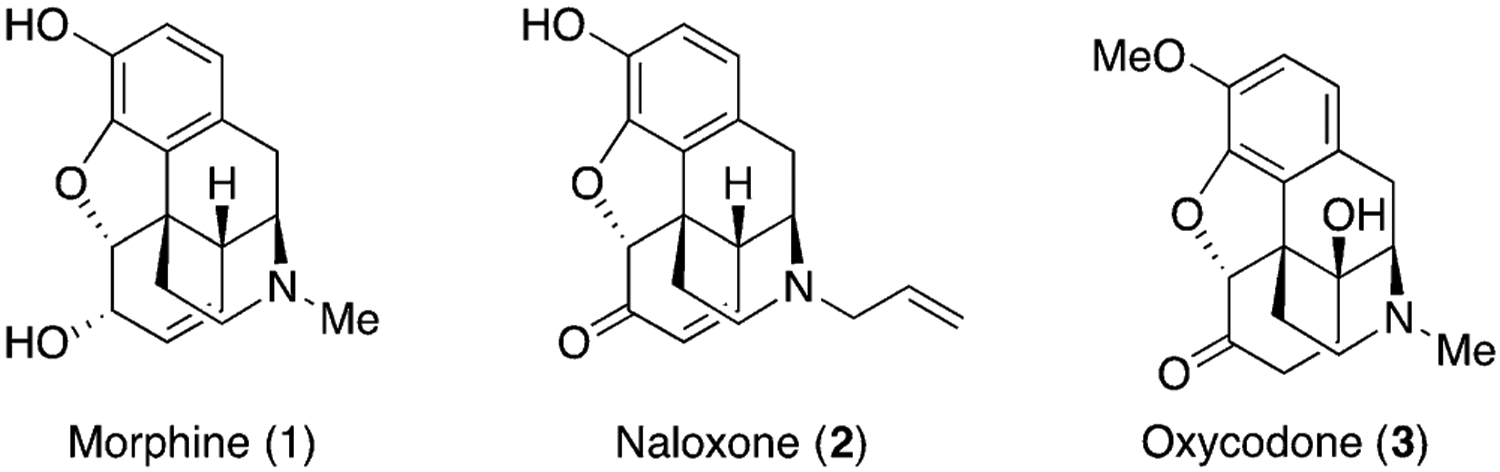
Structures of selected opioids.
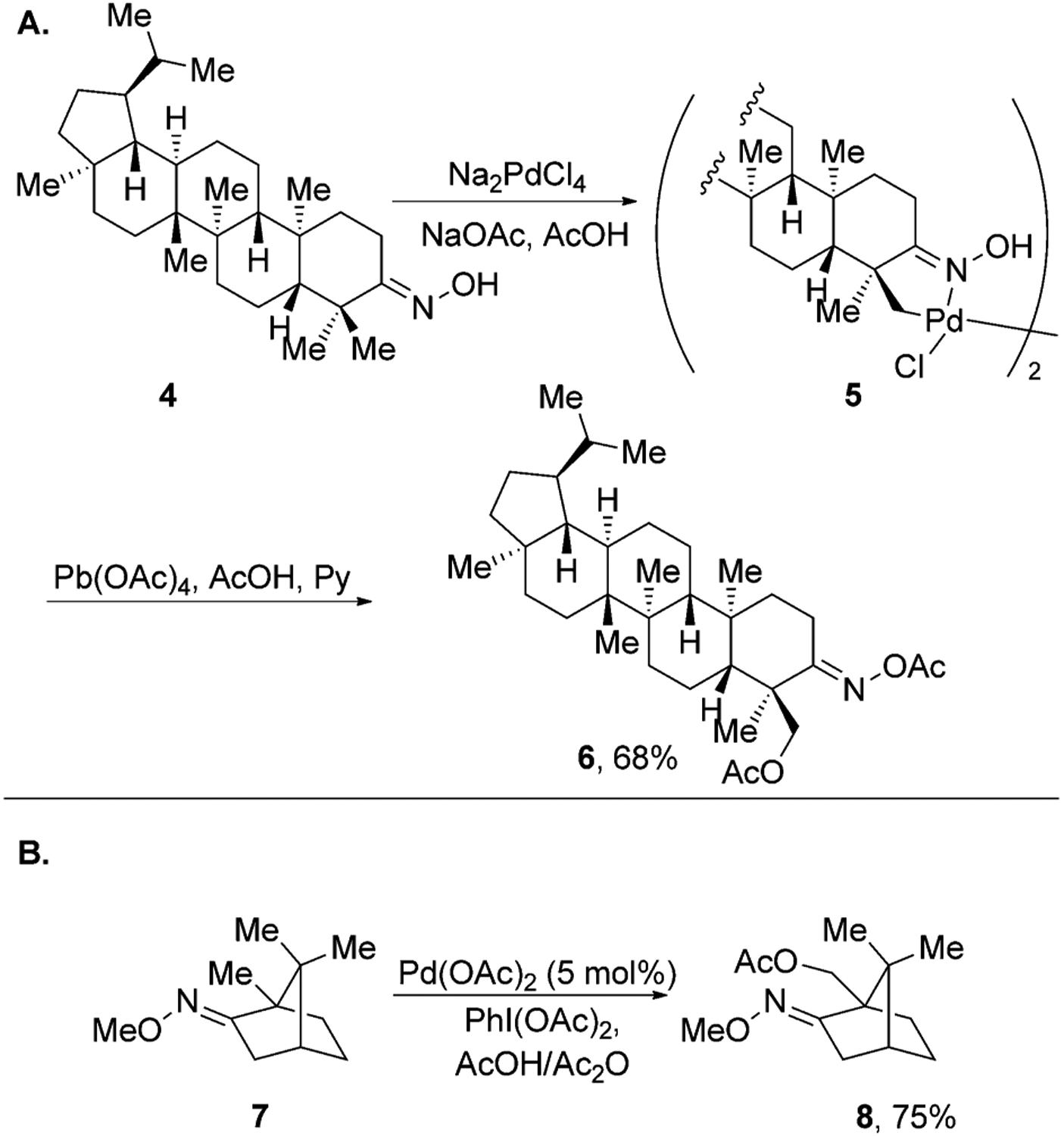
Oxime-directed C–H acetoxylation of natural products.

Directed C–H hydroxylation of steroids.
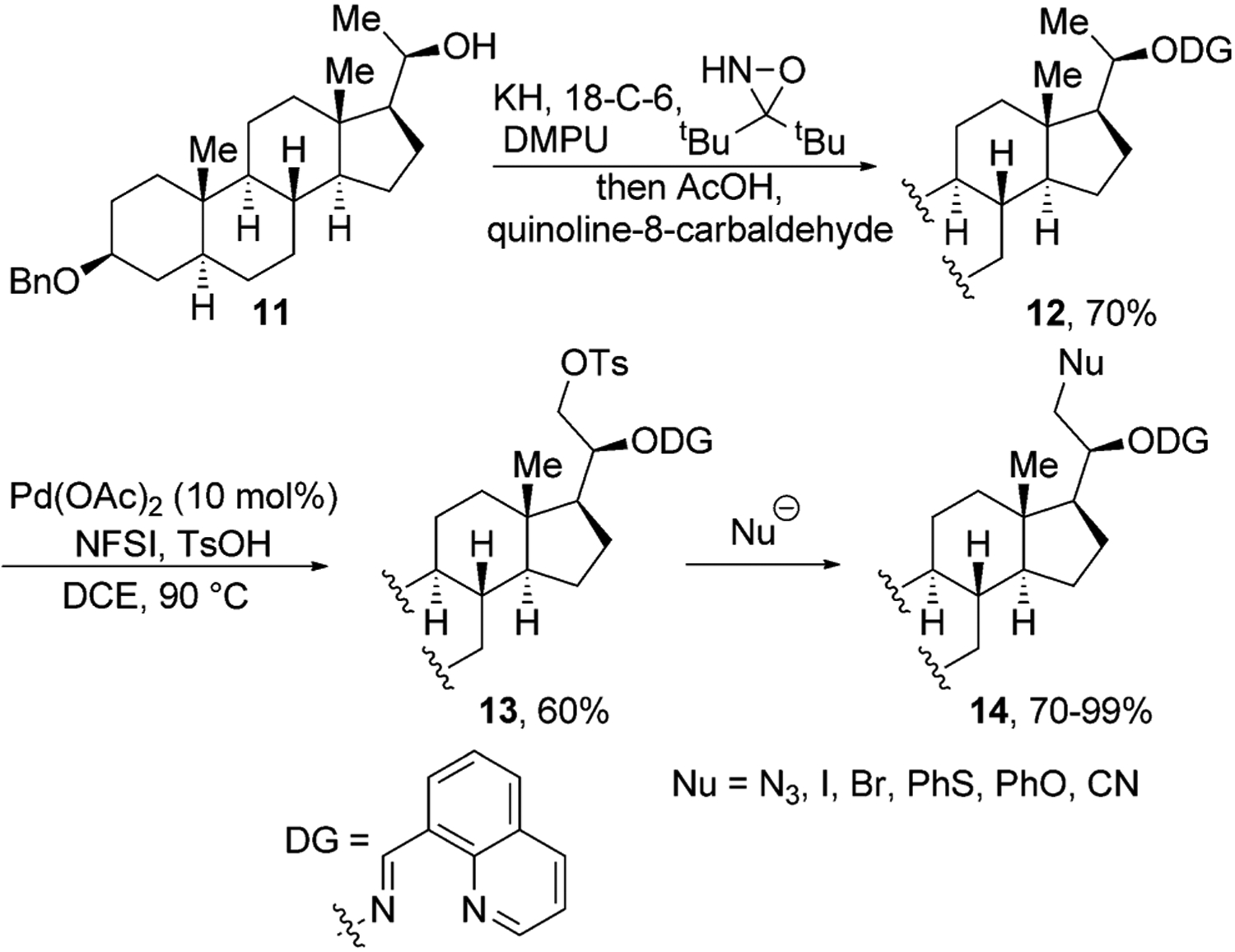
Directed tosylation of primary C–H bonds in 2H-pregnanediol. 18-C-6=18-crown-6, DCE=1,2-dichloroethane, DMPU=1,3-dimethyl-3,4,5,6-tetrahydro-2(1H)-pyrimidinone, NFSI=N-fluorobenzenesulfonimide, Ts=tosyl.

Alkylation of primary C–H bonds of dehydroabietic acid using an amide directing group.
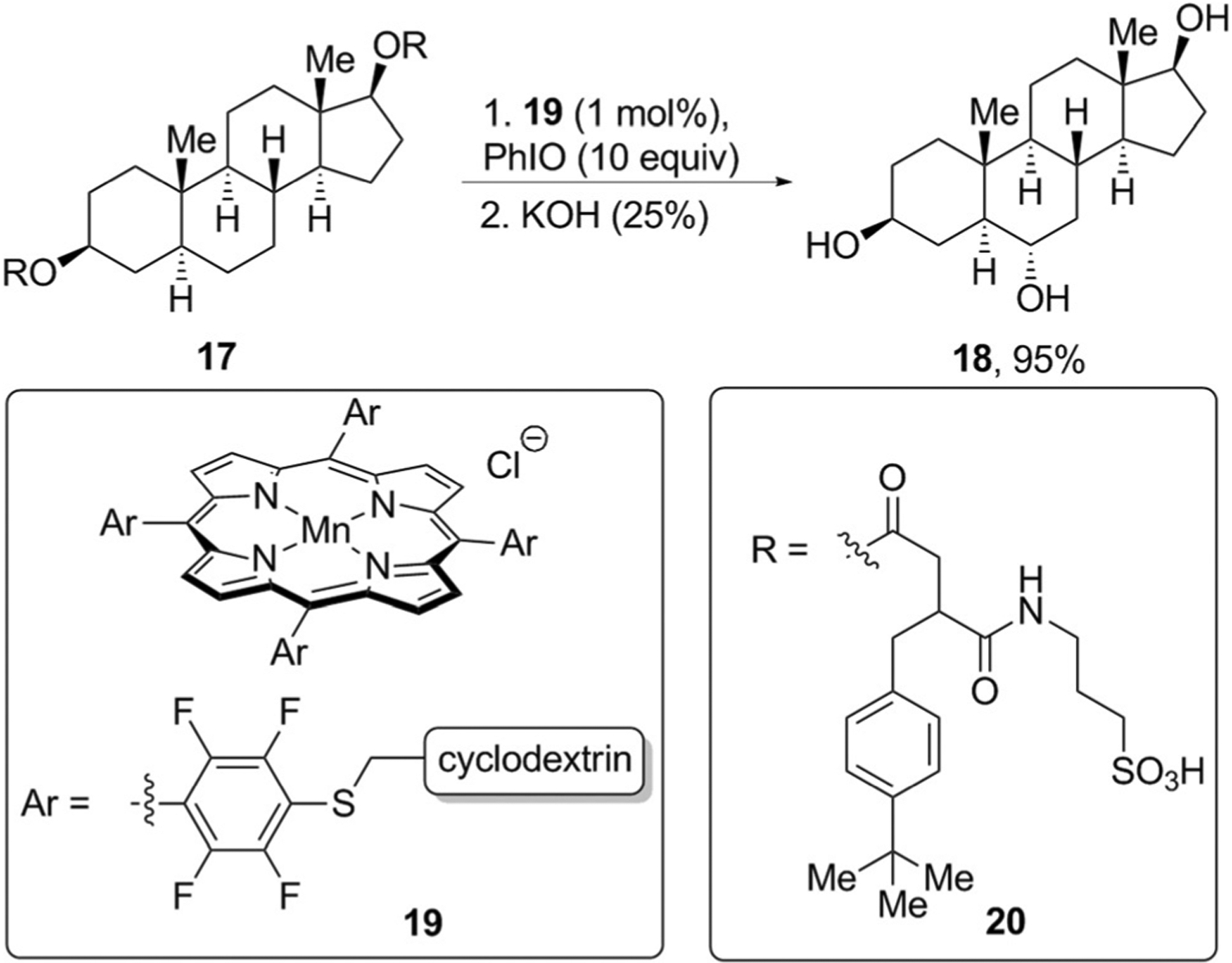
Templated C–H oxidation of natural products.
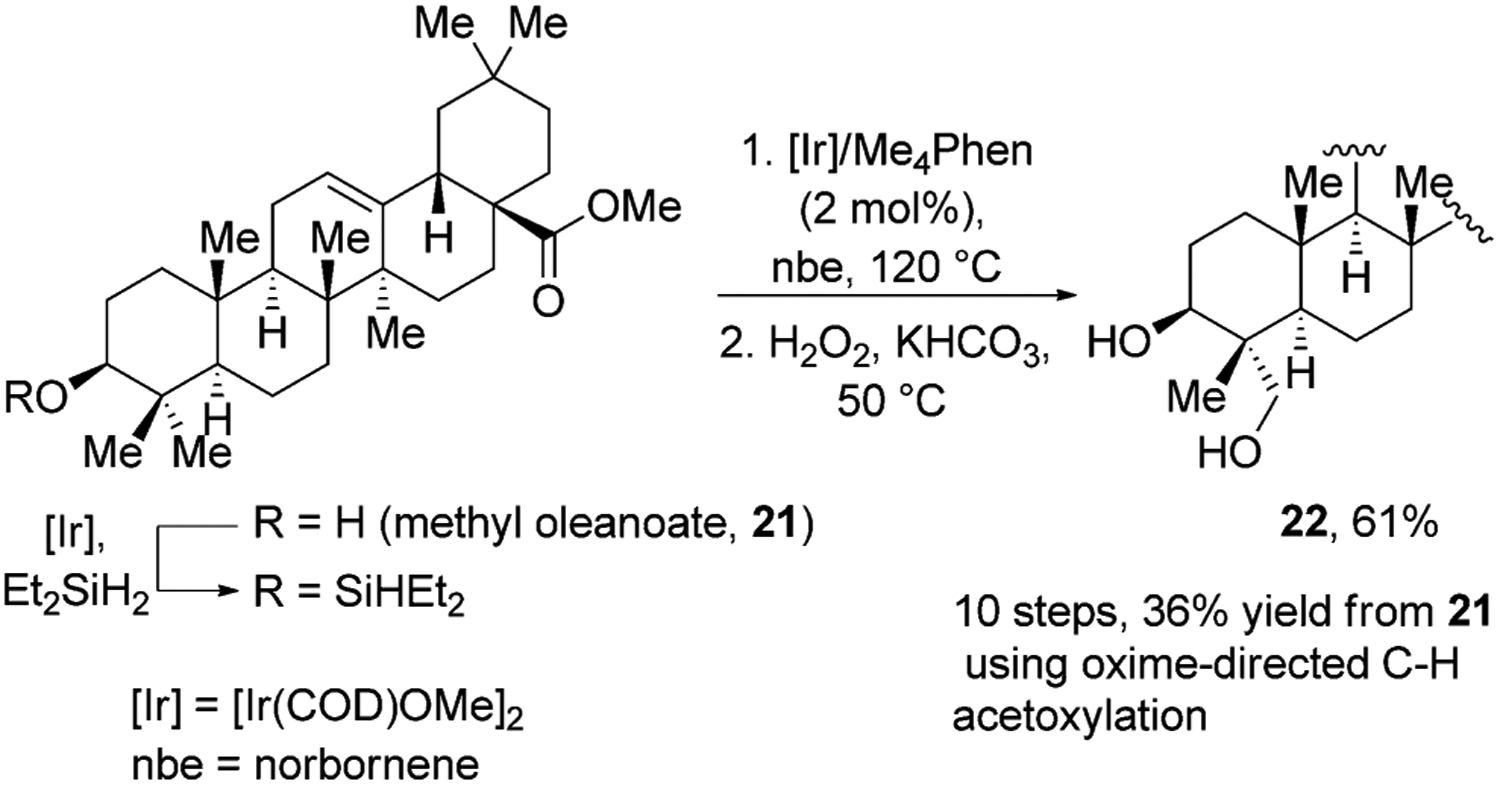
Silyl directed oxidation of oleanolic acid. Me4Phen=3,4,7,8-tetramethyl-1,10-phenanthroline, nbe=norbornene.
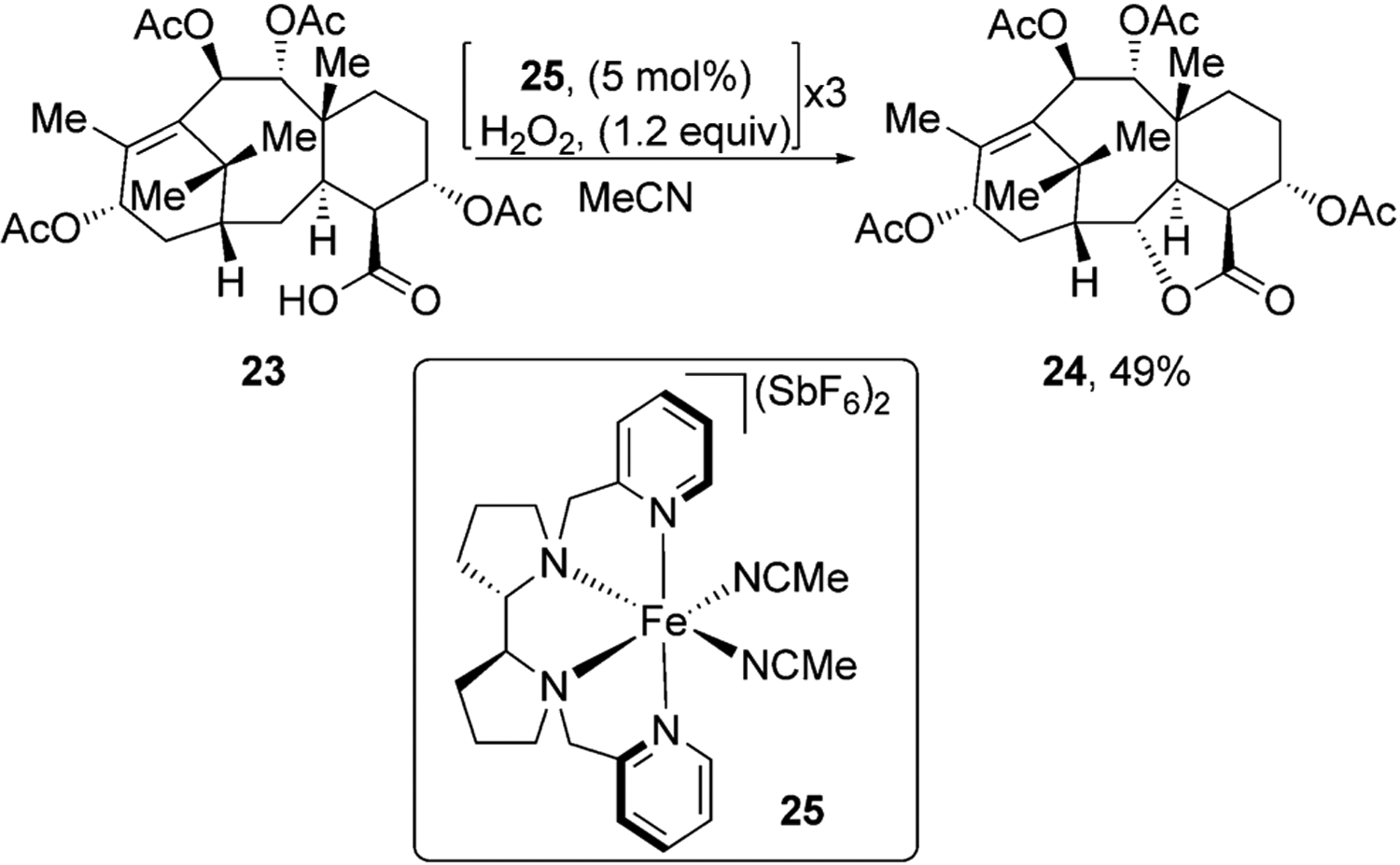
Carboxylic acid directed oxidation of a taxane derivative.
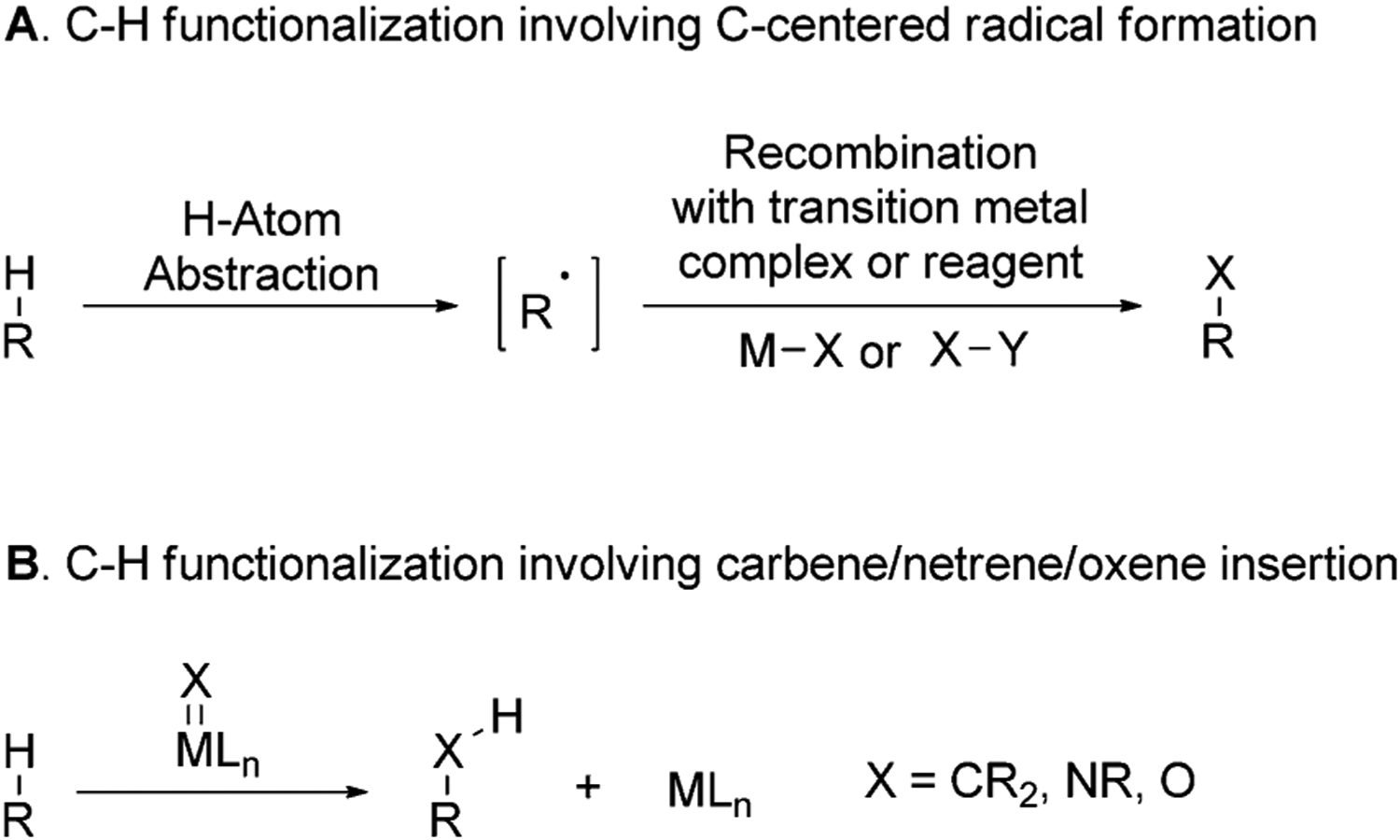
Strategies used for undirected cleavage of C–H bonds in natural products.
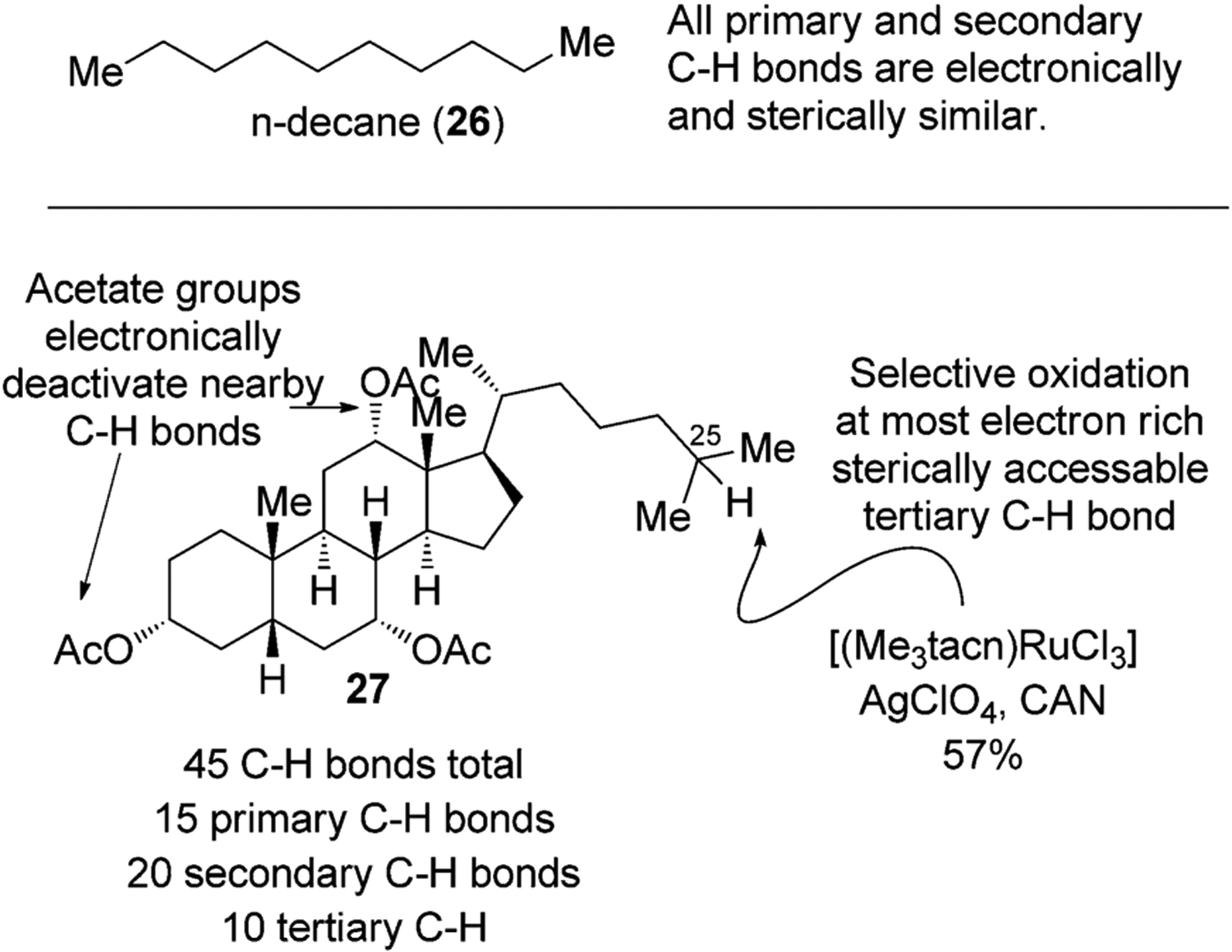
Different types of C–H bonds in natural products allow selective functionalization. CAN=ceric ammonium nitrate.
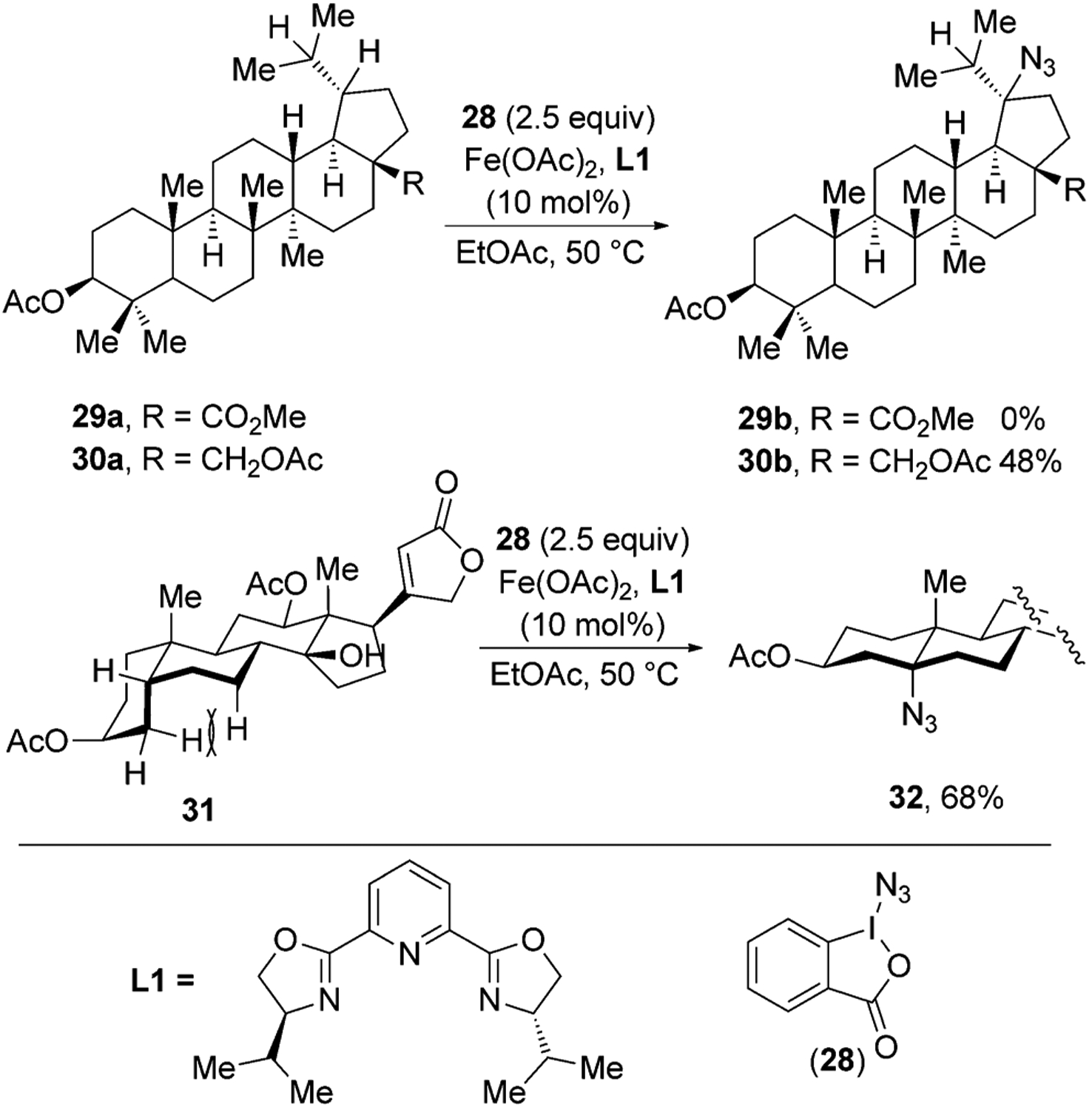
Fe-catalyzed C–H azidation of natural products.

Mn-catalyzed C–H azidation and halogenation of natural products. TBAF=tetrabutylammonium fluoride, TMP=tetramesityl porphyrin.
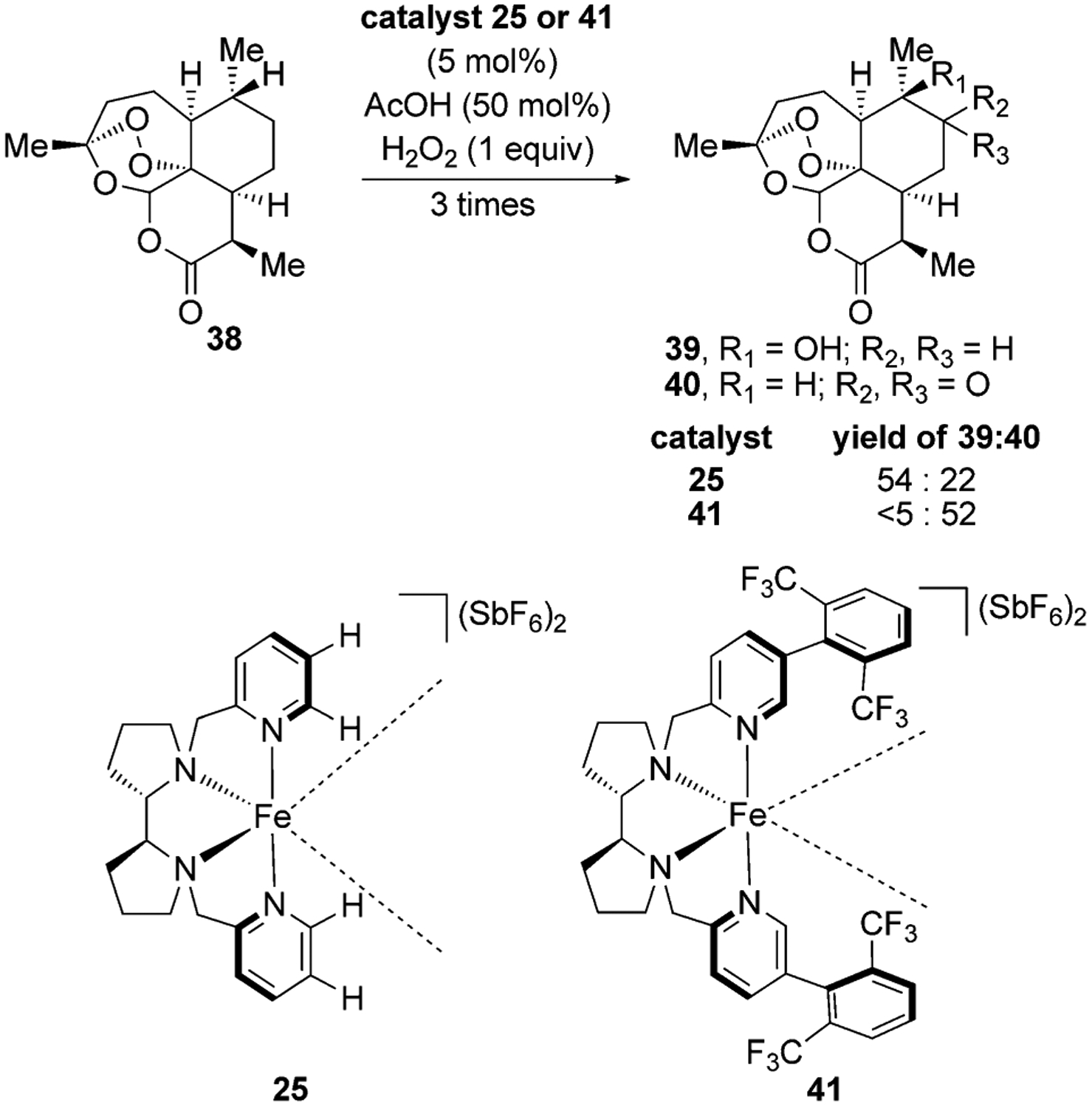
Catalyst-controlled C–H oxidation of artemisinin.
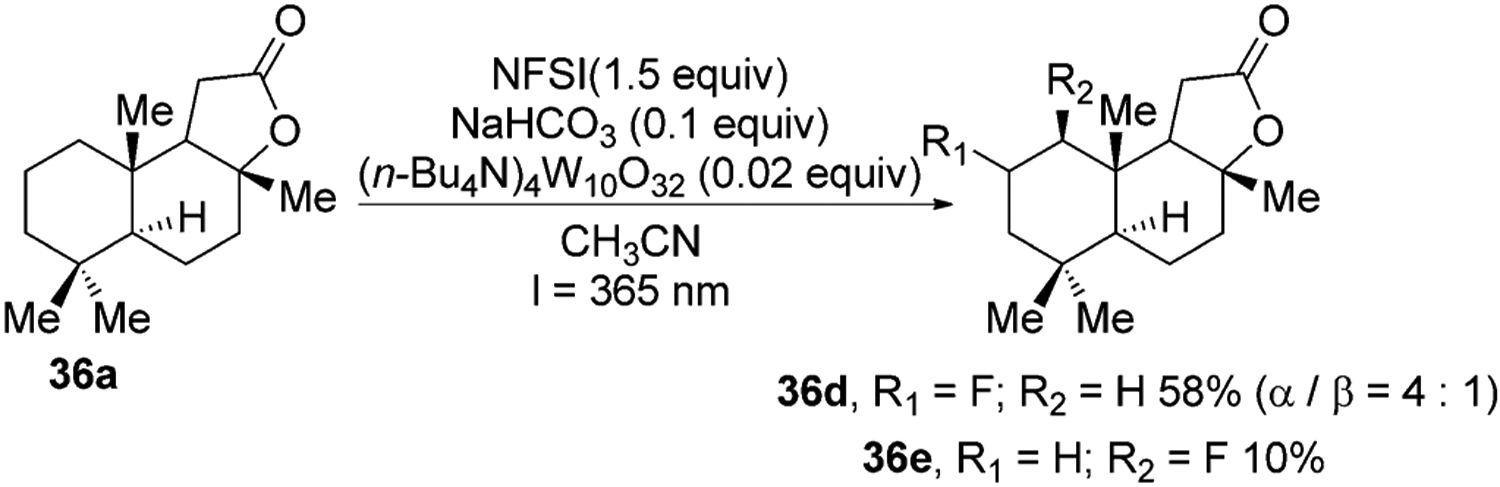
Decatungstate anion mediated C–H fluorination of sclareolide.
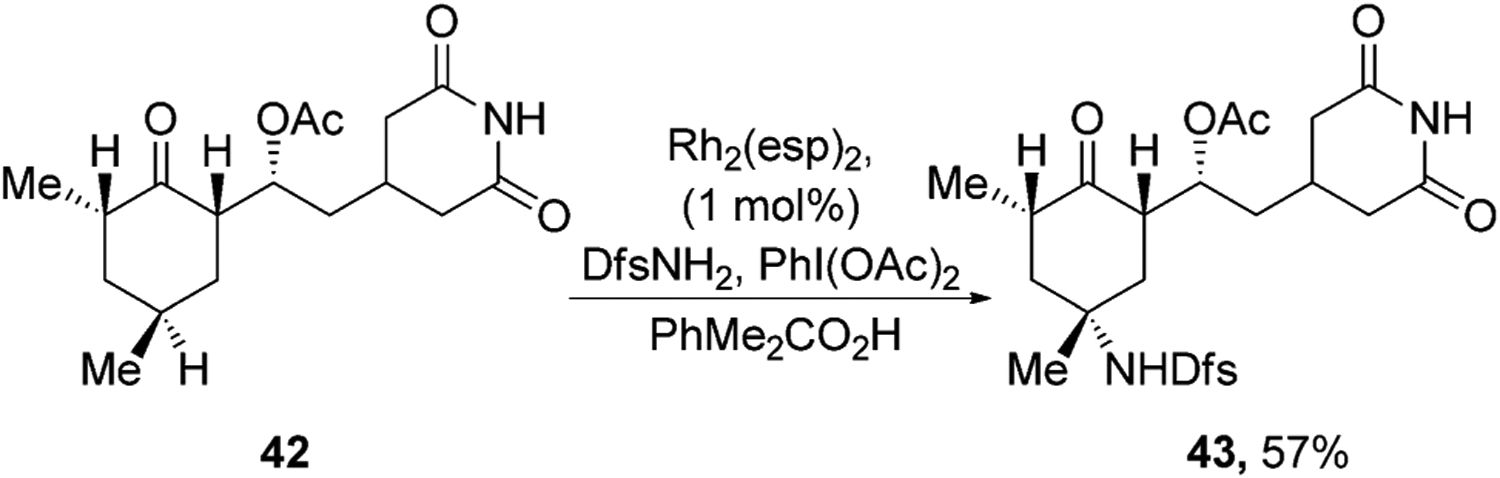
Rh-catalyzed nitrene insertion. Dsf=2,6-difluorophenylsulfonyl, Rh2(esp)2=Bis[rhodium(α,α,α′,α′-tetramethyl-1,3-benzenedipropionic acid)].
References
-
- Newman DJ, Cragg GM, J. Nat. Prod 2016, 79, 629–661. - PubMed
-
- Bioactive Compounds from Natural Sources: Natural Products as Lead Compounds in Drug Discovery, 2. Aufl. (Hrsg.: C. Tringali), CRC Press, Boca Raton, 2012, S. 299–451.
-
- Ganesan A, Curr. Opin. Chem. Biol 2008, 12, 306–317. - PubMed
-
- Koehn FE, Carter GT, Nat. Rev. Drug Discovery 2005, 4, 206–220. - PubMed
Publication types
MeSH terms
Substances
Grants and funding
LinkOut - more resources
Full Text Sources
Other Literature Sources
