


Anticancer effects of resveratrol in canine hemangiosarcoma cell lines
- PMID: 29235249
- PMCID: PMC5943135
- DOI: 10.1111/vco.12375
Anticancer effects of resveratrol in canine hemangiosarcoma cell lines
Erratum in
-
Corrigendum.Vet Comp Oncol. 2018 Dec;16(4):677. doi: 10.1111/vco.12445. Epub 2018 Oct 4. Vet Comp Oncol. 2018. PMID: 30421502 No abstract available.
Abstract
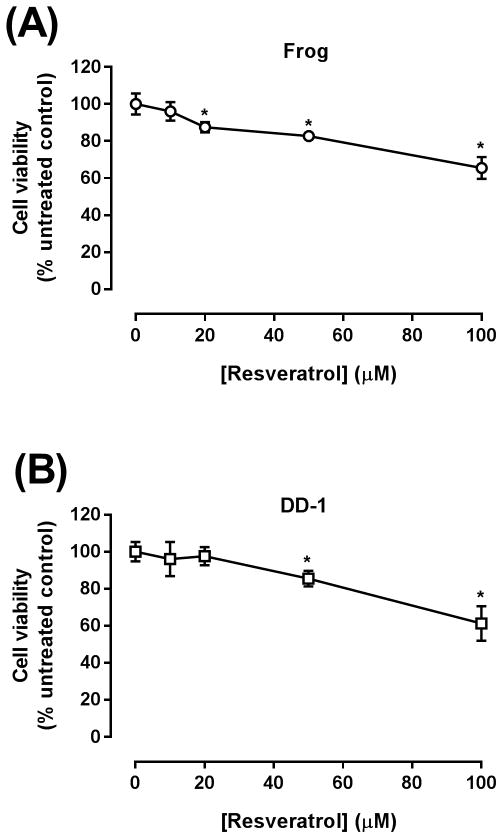
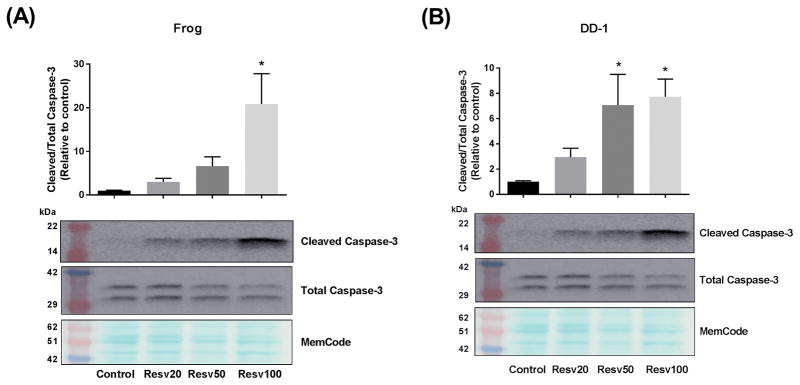
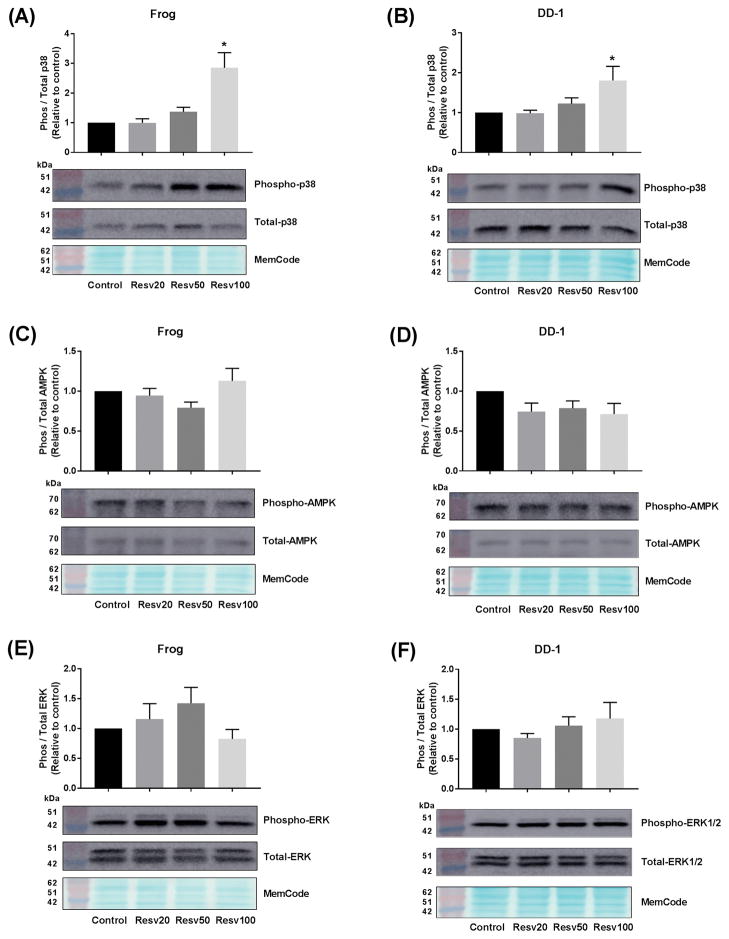
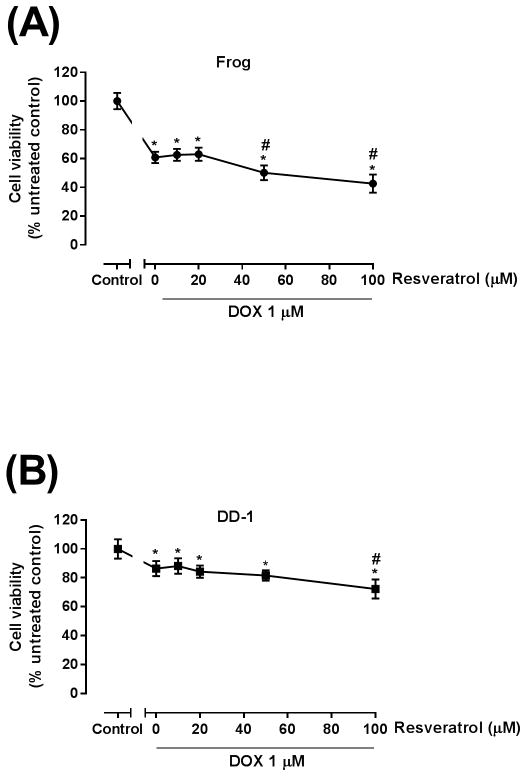
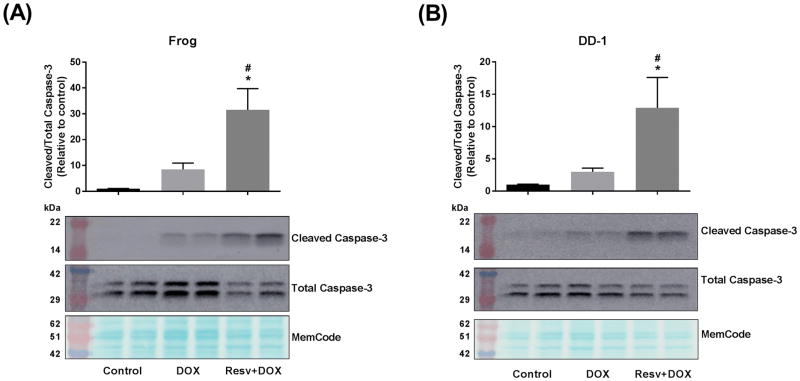
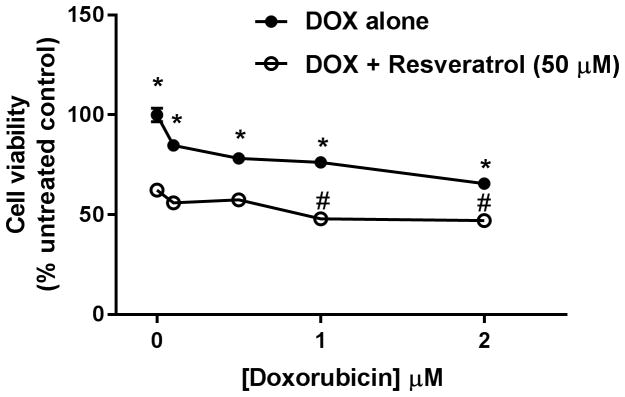
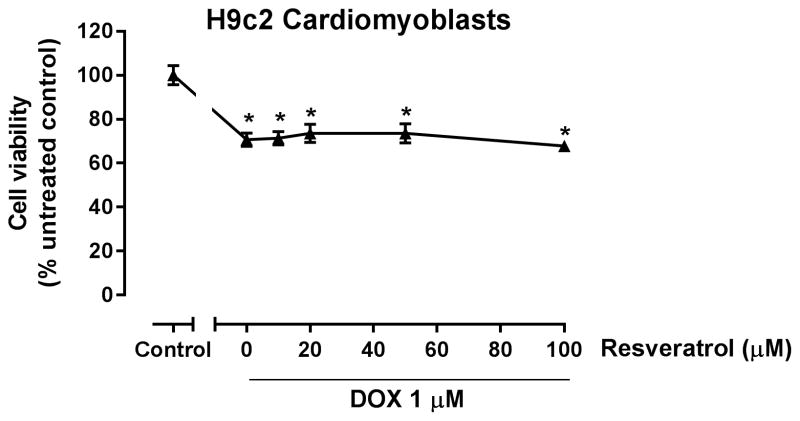
Hemangiosarcoma (HSA) is a highly malignant tumour with aggressive biological behaviour. HSAs are more common in dogs than other domestic animals. The median survival time of dogs with HSA remains short, even with chemotherapy and surgery. Therefore, there is a critical need to improve the adjuvant chemotherapeutic regimens to improve clinical outcomes in dogs with HSA. Resveratrol has been shown to possess strong anti-proliferative and/or pro-apoptotic properties in human cancer cell lines. Nevertheless, the potential anticancer effects of resveratrol have not been reported in canine HSAs. The objective of this study is to determine the growth inhibitory effects of resveratrol in HSA cells when used alone or in combination with doxorubicin, a commonly used chemotherapeutic agent. Frog and DD-1 canine HSA cell lines were treated with varying concentrations of resveratrol with and without doxorubicin. Cell viability was measured by the MTT assay. The expression of apoptotic proteins, activation of p38 mitogen-activated protein kinase (MAPK), AMP-activated protein kinase (AMPK) and extracellular signal-regulated kinase 1/2 (ERK1/2) were assessed by western blotting. Similar to human cancer cell lines, resveratrol markedly inhibited the growth and induced apoptosis in both HSA cell lines. Mechanistically, resveratrol activated p38 MAPK, but did not affect the AMPK or the ERK1/2 pathways. Additional experiments showed that resveratrol augmented the growth-inhibitory and apoptotic effects of doxorubicin in both HSA cell lines. These findings suggest that resveratrol has pro-apoptotic effects in canine HSA cells; therefore, its use as a potential adjunct therapy in canine HSA patients warrants further investigation.
Keywords: apoptosis; canine; doxorubicin; hemangiosarcoma; resveratrol.
© 2017 John Wiley & Sons Ltd.
Figures
References
-
- Lamerato-Kozicki AR, Helm KM, Jubala CM, Cutter GC, Modiano JF. Canine hemangiosarcoma originates from hematopoietic precursors with potential for endothelial differentiation. Exp Hematol. 2006;34:870–8. - PubMed
-
- Finotello R, Stefanello D, Zini E, Marconato L. Comparison of doxorubicin-cyclophosphamide with doxorubicin-dacarbazine for the adjuvant treatment of canine hemangiosarcoma. Vet Comp Oncol. 2017;15:25–35. - PubMed
-
- Goritz M, Muller K, Krastel D, et al. Canine splenic haemangiosarcoma: influence of metastases, chemotherapy and growth pattern on post-splenectomy survival and expression of angiogenic factors. J Comp Pathol. 2013;149:30–9. - PubMed
-
- Wendelburg KM, Price LL, Burgess KE, et al. Survival time of dogs with splenic hemangiosarcoma treated by splenectomy with or without adjuvant chemotherapy: 208 cases (2001–2012) J Am Vet Med Assoc. 2015;247:393–403. - PubMed
-
- Wood CA, Moore AS, Gliatto JM, et al. Prognosis for dogs with stage I or II splenic hemangiosarcoma treated by splenectomy alone: 32 cases (1991–1993) J Am Anim Hosp Assoc. 1998;34:417–21. - PubMed
MeSH terms
Substances
Grants and funding
LinkOut - more resources
Full Text Sources
Other Literature Sources
Research Materials
Miscellaneous
