


Rapid detection of infectious bovine Rhinotracheitis virus using recombinase polymerase amplification assays
- PMID: 29237466
- PMCID: PMC5729238
- DOI: 10.1186/s12917-017-1284-0
Rapid detection of infectious bovine Rhinotracheitis virus using recombinase polymerase amplification assays
Abstract
Background: Infectious bovine rhinotracheitis virus (IBRV) is a major pathogen in cattle and has led to significant economic losses to the dairy industry worldwide, and therefore a more optimal method for the rapid diagnosis of IBRV infection is highly needed. In this study, we described the development of a lateral flow dipstrip (LFD) of isothermal recombinase polymerase amplification (RPA) method for rapid detection of IBRV.
Methods: Distinct regions were selected as a candidate target for designing the LFD-RPA primers and probes. The analytical sensitivity of the RPA assay was determined using ten-fold serially diluted IBRV DNA. The specificity of the assay was assessed with other viral pathogens of cattle with similar clinic and other herpesviruses. The clinical performance was evaluated by testing 106 acute-phase high fever clinical specimens.
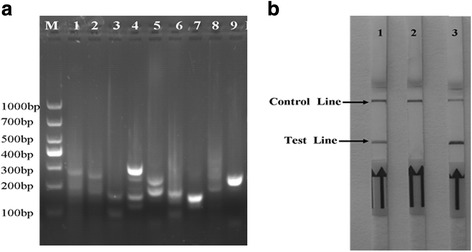
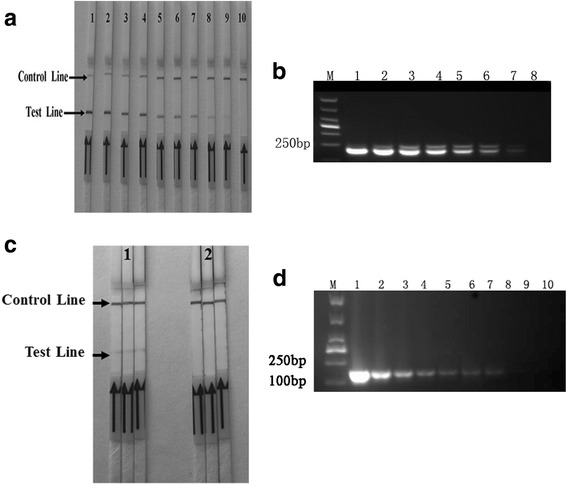
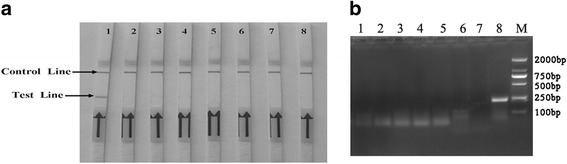
Results: RPA primers and probe were designed to target the specific conserved UL52 region fragment of IBRV. The detection could be completed at a constant temperature of 38 °C for 25 min, and the amplification products were easily visualized on a simple LFD. The detection limit of this assay was 5 copies per reaction of IBRV DNA and there was no cross-reactivity with other viruses causing bovine gastrointestinal and respiratory infections or other herpesviruses. The assay performance on acute-phase high fever clinical samples collected from cattle with no vaccine against IBRV, which were suspected to be infected with IBRV, was validated by detecting 24 fecal, 36 blood, 38 nasal swab and 8 tissue specimens, and compared with SYBR Green I based real-time PCR. The coincidence between IBRV LFD-RPA and real-time PCR was 100%.
Conclusion: IBRV LFD-RPA was fast and much easier to serve as an alternative to the common measures used for IBRV diagnosis, as there is reduction in the use of instruments for identification of the infected animals. In addition, this assay may be the potential candidate to be used as point-of-care diagnostics in the field.
Keywords: Infectious bovine rhinotracheitis virus (IBRV); Lateral-flow dipstrip (LFD); Rapid detection; Recombinase polymerase amplification (RPA).
Conflict of interest statement
Ethics approval
Experimental protocols for obtaining cattle clinical samples used in this study were carried out in strict accordance with the Animal Ethics Procedures and Guidelines of the People’s Republic of China, and the animal study proposal was approved by Shandong Normal University Animal Care and Use Committee. All cattle owners signed an informed consent before participation in the study.
Consent for publication
Not applicable.
Competing interests
The authors declared no potential conflicts of interest with respect to the research, authorship, and/or publication of this article.
Publisher’s Note
Springer Nature remains neutral with regard to jurisdictional claims in published maps and institutional affiliations.
Figures
References
-
- Straub OC. Advances in BHV1 (IBR) research. Dtsch Tierarztl Wochenschr. 2001;108(10):419–422. - PubMed
MeSH terms
Substances
Grants and funding
LinkOut - more resources
Full Text Sources
Other Literature Sources
