


Clinical trials using mesenchymal stem cells in liver diseases and inflammatory bowel diseases
- PMID: 29259715
- PMCID: PMC5725741
- DOI: 10.1186/s41232-017-0045-6
Clinical trials using mesenchymal stem cells in liver diseases and inflammatory bowel diseases
Abstract
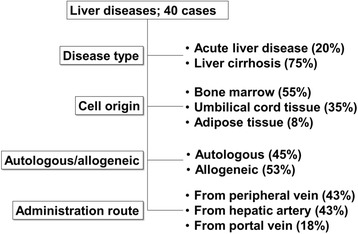
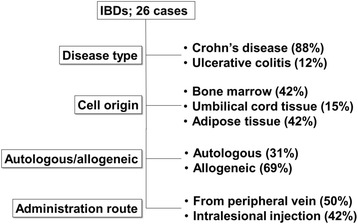
Mesenchymal stem cell (MSC) therapies have been used in clinical trials in various fields. These cells are easily expanded, show low immunogenicity, can be acquired from medical waste, and have multiple functions, suggesting their potential applications in a variety of diseases, including liver disease and inflammatory bowel disease. MSCs help prepare the microenvironment, in response to inflammatory cytokines, by producing immunoregulatory factors that modulate the progression of inflammation by affecting dendritic cells, B cells, T cells, and macrophages. MSCs also produce a large amount of cytokines, chemokines, and growth factors, including exosomes that stimulate angiogenesis, prevent apoptosis, block oxidation reactions, promote remodeling of the extracellular matrix, and induce differentiation of tissue stem cells. According to ClinicalTrials.gov, more than 680 clinical trials using MSCs are registered for cell therapy of many fields including liver diseases (more than 40 trials) and inflammatory bowel diseases (more than 20 trials). In this report, we introduce background and clinical studies of MSCs in liver disease and inflammatory bowel diseases.
Keywords: Cell therapy; Inflammatory bowel disease; Liver disease; Mesenchymal stem cell.
Figures
References
-
- Goldberg D, Ditah IC, Saeian K, et al. Changes in the prevalence of hepatitis C virus infection, non-alcoholic steatohepatitis, and alcoholic liver disease among patients with cirrhosis or liver failure on the waitlist for liver transplantation. Gastroenterology. 2017;152(5):1090-1099.e1. - PMC - PubMed
-
- Gecse KB, Lakatos PL. IBD in 2016: biologicals and biosimilars in IBD - the road to personalized treatment. Nat Rev Gastroenterol Hepatol. 2017;14(2):74-76. - PubMed
Publication types
LinkOut - more resources
Full Text Sources
Other Literature Sources
