


Sleep disorders in the elderly: Diagnosis and management
- PMID: 29263993
- PMCID: PMC5689397
- DOI: 10.1002/jgf2.27
Sleep disorders in the elderly: Diagnosis and management
Abstract
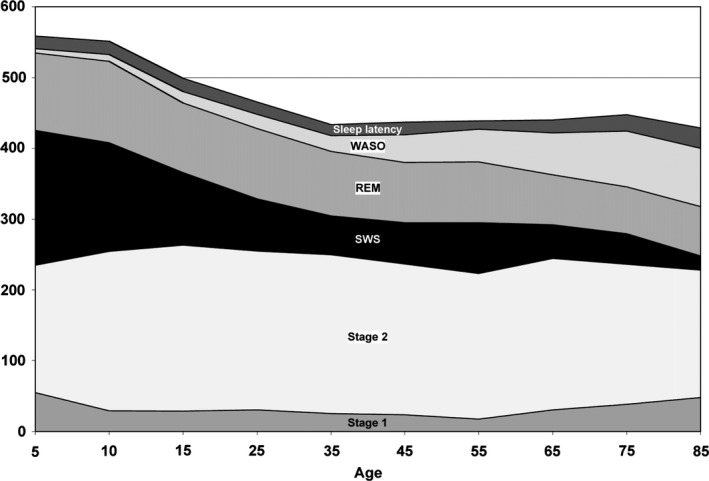
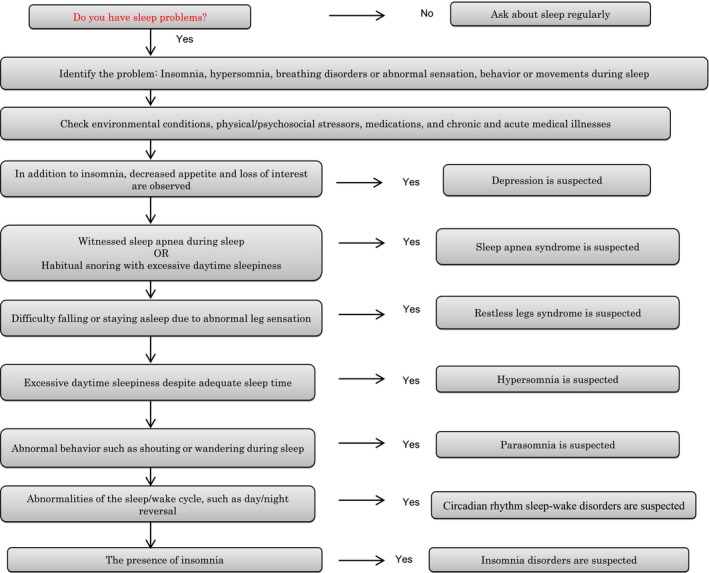
Compared with younger people, elderly people show age-related sleep changes, including an advanced sleep phase and decreased slow-wave sleep, which result in fragmented sleep and early awakening. Multiple etiologies contribute to insomnia in the elderly, consistent with the observation that elderly people are likely to have comorbid conditions and medications. When elderly individuals complain of insomnia, it is important to assess treatable medical conditions and medication use that may be responsible for the insomnia before the use of hypnotics is initiated. Also, screening for primary sleep disorders, such as sleep apnea syndrome, restless legs syndrome and rapid eye movement sleep behavior disorder, is essential. We review sleep disorders commonly observed in the elderly and describe their diagnosis and management.
Keywords: diagnosis; elderly; management; sleep disorders.
Figures
References
-
- Bixler E. Sleep and society: an epidemiological perspective. Sleep Med. 2009;10(Suppl 1):S3–6. - PubMed
-
- Kim K, Uchiyama M, Okawa M, Liu X, Ogihara R. An epidemiological study of insomnia among the Japanese general population. Sleep. 2000;23:41–7. - PubMed
-
- Kamel NS, Gammack JK. Insomnia in the elderly: cause, approach, and treatment. Am J Med. 2006;119:463–9. - PubMed
-
- Foley DJ, Monjan A, Simonsick EM, Wallace RB, Blazer DG. Incidence and remission of insomnia among elderly adults: an epidemiologic study of 6,800 persons over three years. Sleep. 1999;22(Suppl 2):S366–72. - PubMed
-
- Foley DJ, Monjan AA, Izmirlian G, Hays JC, Blazer DG. Incidence and remission of insomnia among elderly adults in a biracial cohort. Sleep. 1999;22(Suppl 2):S373–8. - PubMed
Publication types
LinkOut - more resources
Full Text Sources
Other Literature Sources