


From forensic epigenetics to forensic epigenomics: broadening DNA investigative intelligence
- PMID: 29268765
- PMCID: PMC5738715
- DOI: 10.1186/s13059-017-1373-1
From forensic epigenetics to forensic epigenomics: broadening DNA investigative intelligence
Abstract
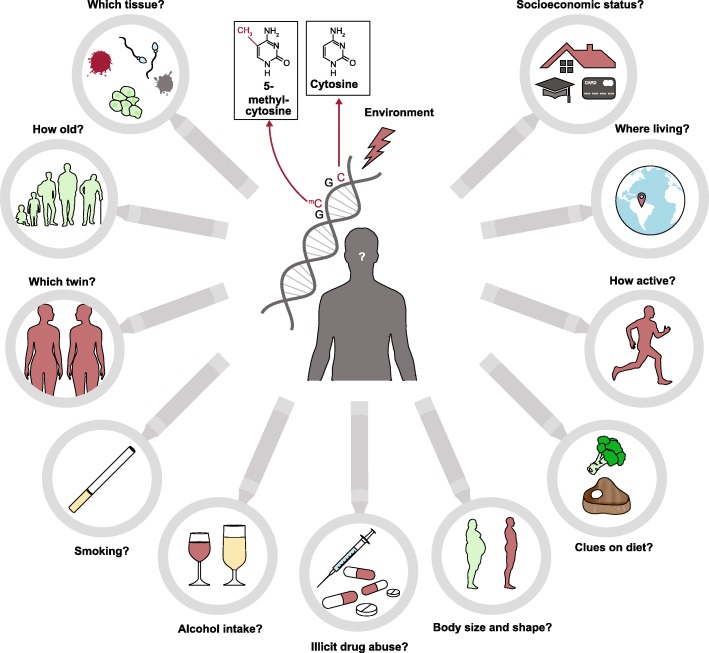
Human genetic variation is a major resource in forensics, but does not allow all forensically relevant questions to be answered. Some questions may instead be addressable via epigenomics, as the epigenome acts as an interphase between the fixed genome and the dynamic environment. We envision future forensic applications of DNA methylation analysis that will broaden DNA-based forensic intelligence. Together with genetic prediction of appearance and biogeographic ancestry, epigenomic lifestyle prediction is expected to increase the ability of police to find unknown perpetrators of crime who are not identifiable using current forensic DNA profiling.
Conflict of interest statement
Publisher’s note
Springer Nature remains neutral with regard to jurisdictional claims in published maps and institutional affiliations.
Figures

References
-
- Jobling MA, Gill P. Encoded evidence: DNA in forensic analysis. Nat Rev Genet. 2004;5:739–51. - PubMed
-
- Kayser M, de Knijff P. Improving human forensics through advances in genetics, genomics and molecular biology. Nat Rev Genet. 2011;12:179–92. - PubMed
-
- Kayser M. Forensic DNA, phenotyping: predicting human appearance from crime scene material for investigative purposes. Forensic Sci Int Genet. 2015;18:33–48. - PubMed
-
- Phillips C. Forensic genetic analysis of bio-geographical ancestry. Forensic Sci Int Genet. 2015;18:49–65. - PubMed
-
- Bird A. Perceptions of epigenetics. Nature. 2007;447:396–8. - PubMed
Publication types
MeSH terms
Grants and funding
LinkOut - more resources
Full Text Sources
Other Literature Sources
