


Meta-ethnography to understand healthcare professionals' experience of treating adults with chronic non-malignant pain
- PMID: 29273663
- PMCID: PMC5778293
- DOI: 10.1136/bmjopen-2017-018411
Meta-ethnography to understand healthcare professionals' experience of treating adults with chronic non-malignant pain
Abstract
Objectives: We aimed to explore healthcare professionals' experience of treating chronic non-malignant pain by conducting a qualitative evidence synthesis. Understanding this experience from the perspective of healthcare professionals will contribute to improvements in the provision of care.
Design: Qualitative evidence synthesis using meta-ethnography. We searched five electronic bibliographic databases from inception to November 2016. We included studies that explore healthcare professionals' experience of treating adults with chronic non-malignant pain. We used the GRADE-CERQual framework to rate confidence in review findings.
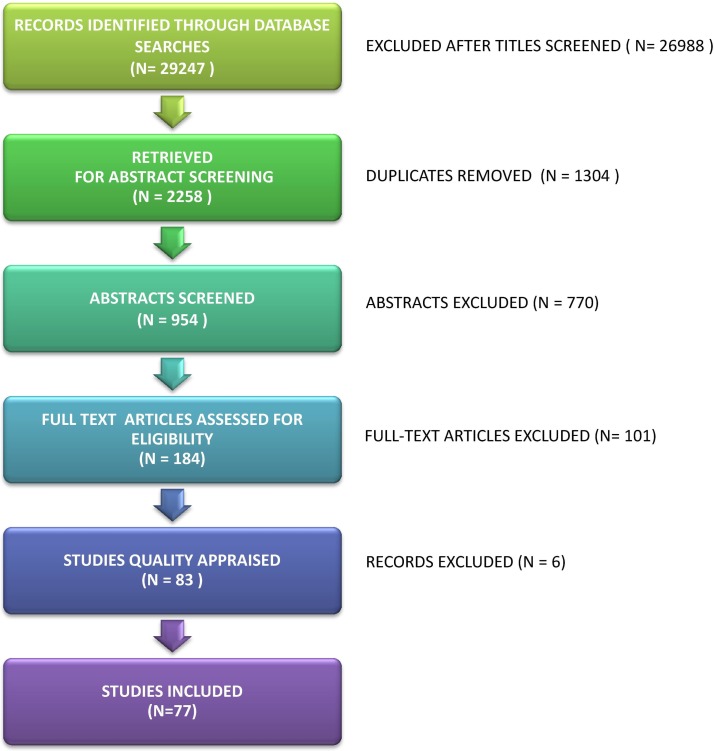
Results: We screened the 954 abstracts and 184 full texts and included 77 published studies reporting the experiences of over 1551 international healthcare professionals including doctors, nurses and other health professionals. We abstracted six themes: (1) a sceptical cultural lens, (2) navigating juxtaposed models of medicine, (3) navigating the geography between patient and clinician, (4) challenge of dual advocacy, (5) personal costs and (6) the craft of pain management. We rated confidence in review findings as moderate to high.
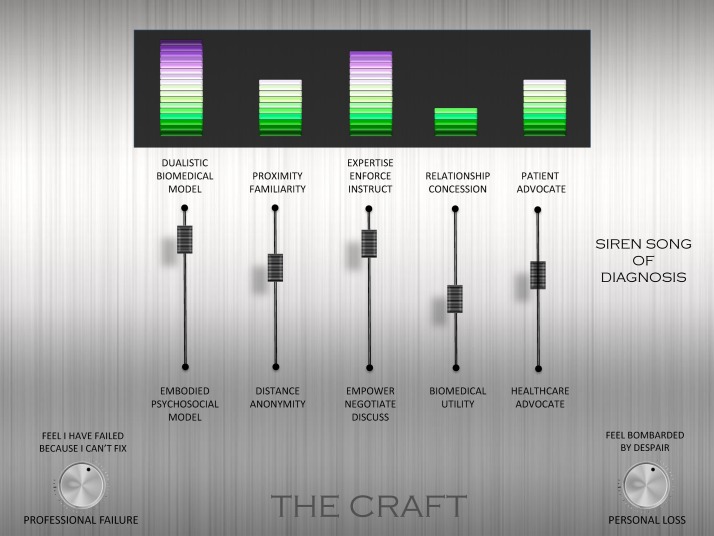
Conclusions: This is the first qualitative evidence synthesis of healthcare professionals' experiences of treating people with chronic non-malignant pain. We have presented a model that we developed to help healthcare professionals to understand, think about and modify their experiences of treating patients with chronic pain. Our findings highlight scepticism about chronic pain that might explain why patients feel they are not believed. Findings also indicate a dualism in the biopsychosocial model and the complexity of navigating therapeutic relationships. Our model may be transferable to other patient groups or situations.
Keywords: healthcare professionals; meta-ethnography; pain management; qualitative evidence synthesis; qualitative research.
© Article author(s) (or their employer(s) unless otherwise stated in the text of the article) 2017. All rights reserved. No commercial use is permitted unless otherwise expressly granted.
Conflict of interest statement
Competing interests: None declared.
Figures
References
-
- IASP. Classification of chronic pain. Seattle, USA: International Association for the Study of Pain (IASP) Press, 1994.
-
- Donaldson L. 2009 Annual Report of the Chief Medical Office (Department of Health. 2009. http://www.sthc.co.uk/Documents/CMO_Report_2009.pdf (accessed 11 Sep 12).
Publication types
MeSH terms
Grants and funding
LinkOut - more resources
Full Text Sources
Other Literature Sources
Medical
