


Elevated neutrophil-to-lymphocyte ratio is associated with nutritional impairment, immune suppression, resistance to S-1 plus cisplatin, and poor prognosis in patients with stage IV gastric cancer
- PMID: 29285377
- PMCID: PMC5740823
- DOI: 10.3892/mco.2017.1438
Elevated neutrophil-to-lymphocyte ratio is associated with nutritional impairment, immune suppression, resistance to S-1 plus cisplatin, and poor prognosis in patients with stage IV gastric cancer
Abstract
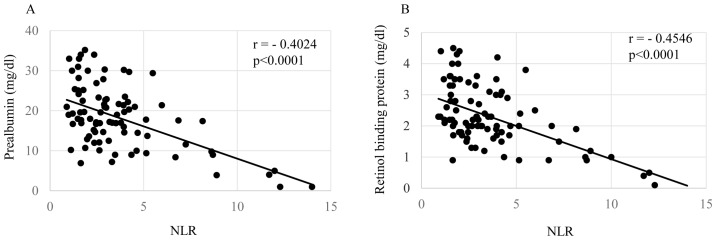
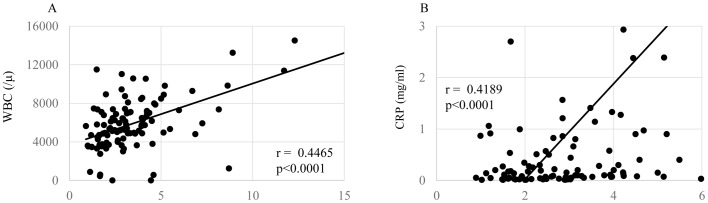
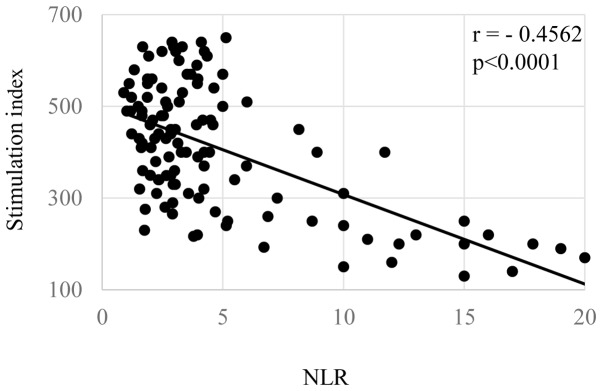
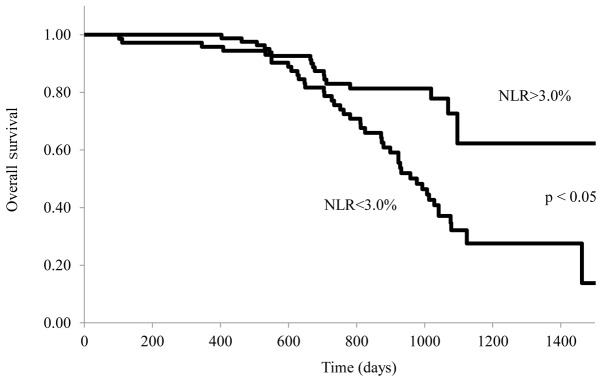
Gastric cancer continues to be a major cause of morbidity and mortality worldwide. Recently, there has been a growing interest in the host inflammatory response and there is increasing evidence that the neutrophil to lymphocyte ratio (NLR), which is a useful marker of systemic inflammation, can be an effective prognostic indicator in various types of malignant diseases. A total of 110 patients with stage IV gastric cancer who received chemotherapy of S-1 plus cisplatin were enrolled in this study. Eleven patients did not complete four cycles of the chemotherapy. The patients were divided into two groups with 3.0 of NLR. The percentage of patients with a partial response to chemotherapy was significantly higher in the group of patients with a lower NLR (<3) (19.1 vs. 38.5%, high vs. low NLR group, respectively; P<0.05). The percentage of patients with progressive disease was higher in the high vs. low NLR group (57.4 vs. 25.0%, respectively; P<0.05). NLR levels were significantly inversely correlated with serum levels of prealbumin (P<0.01) and retinol binding protein (P<0.05). NLR levels were also significantly correlated with c-reactive protein levels (P<0.05), white blood cell count (P<0.05) and inversely with the stimulation index (a marker of cell-mediated immune function; P<0.05). Overall survival was significantly longer in patients with a lower NLR (≤ 3.0) than in those with a higher NLR (>3.0). The present study demonstrated that the NLR is a useful marker for resistance to chemotherapy, malnutrition, systemic inflammation and immune suppression. Moreover, the NLR was demonstrated to be a strong prognostic indicator in these patients.
Keywords: Gastric cancer; TS1+cisplatin; immune suppression; inflammation; malnutrition; neutrophil-to-lymphocyte ratio; overall survival rate.
Figures
References
-
- Jaiswal M, LaRusso NF, Burgart LJ, Gores GJ. Inflammatory cytokines induce DNA damage and inhibit DNA repair in cholangiocarcinoma cells by a nitric oxide-dependent mechanism. Cancer Res. 2000;60:184–190. - PubMed
LinkOut - more resources
Full Text Sources
Other Literature Sources
Research Materials