


Impact of Aging on the Strength of Cardiovascular Risk Factors: A Longitudinal Study Over 40 Years
- PMID: 29306895
- PMCID: PMC5778963
- DOI: 10.1161/JAHA.117.007061
Impact of Aging on the Strength of Cardiovascular Risk Factors: A Longitudinal Study Over 40 Years
Abstract
Background: The knowledge of the impact of cardiovascular risk factors at different ages has mainly been based on different studies performed at different ages. This study aimed to investigate the change in impact of traditional cardiovascular risk factors over the aging process in subjects followed for 4 decades.
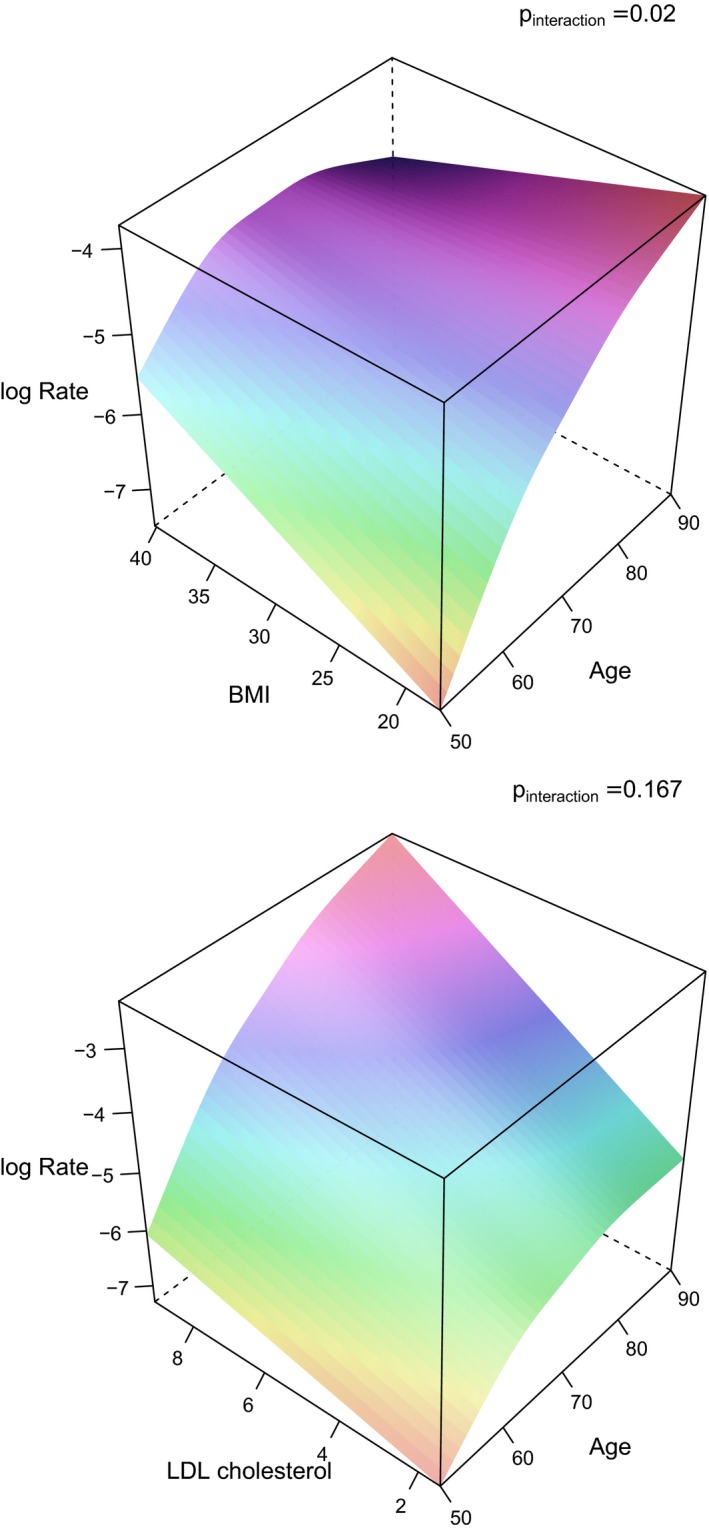
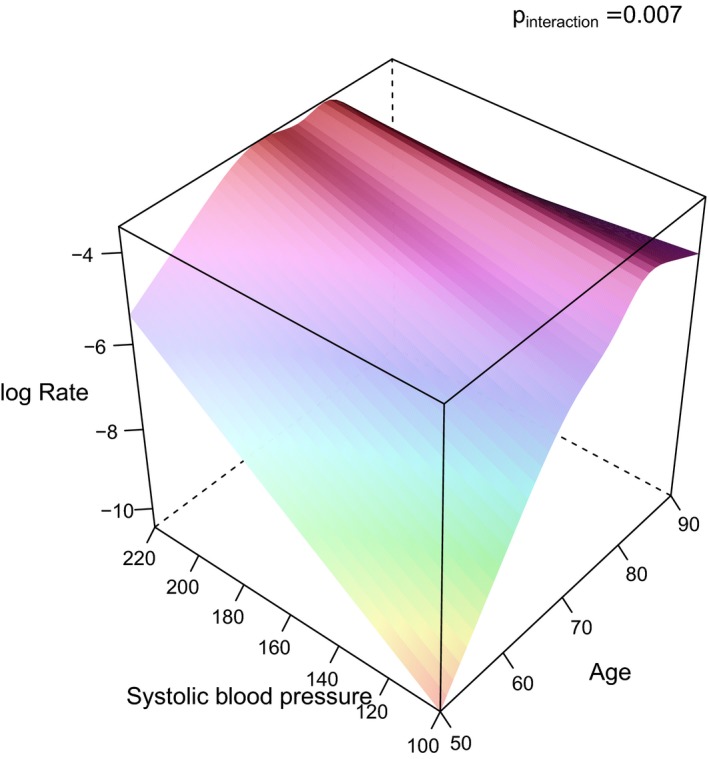
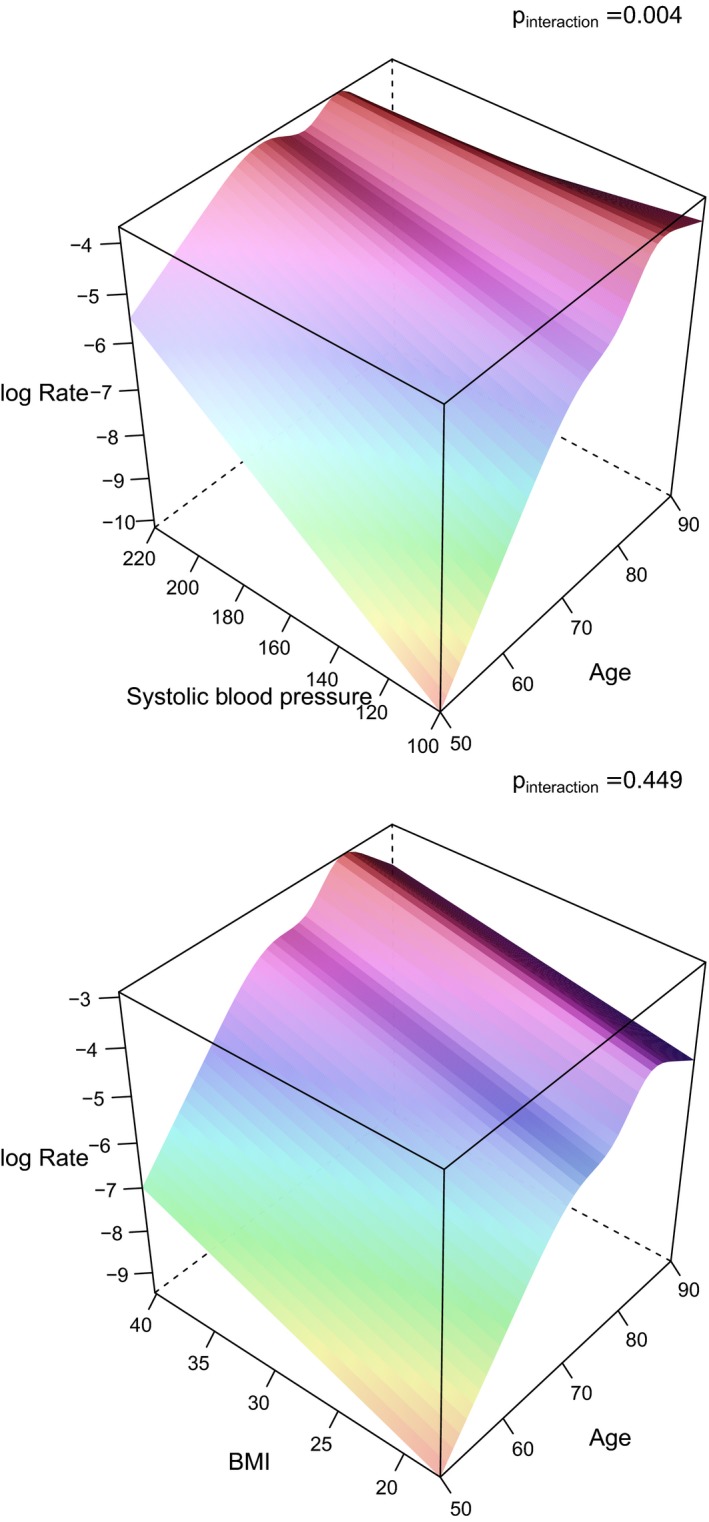
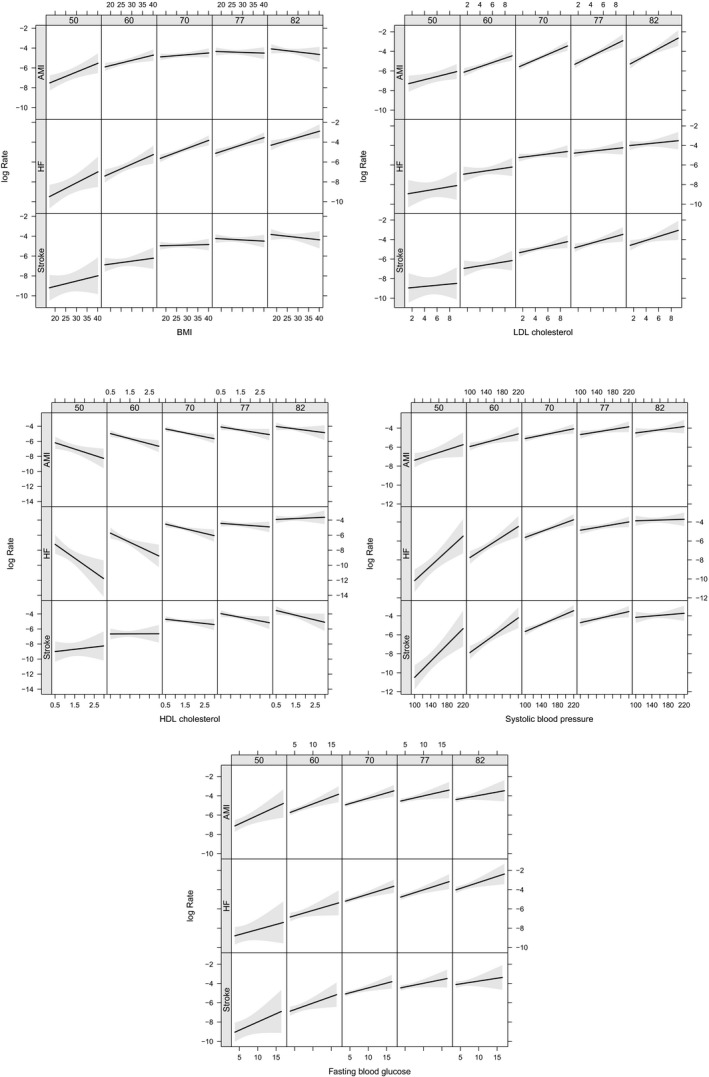
Methods and results: In the ULSAM (Uppsala Longitudinal Study of Adult Men) study, 2322 men originally investigated in 1970 to 1974 have been followed regarding cardiovascular diseases until the end of 2013. This cohort has been investigated physically at ages 50, 60, 70, 77, and 82 years regarding body mass index, low-density lipoprotein- and high-density lipoprotein-cholesterol, triglycerides, systolic blood pressure and diastolic blood pressure, fasting glucose, and smoking. These data were used to model the interactions between risk factors and age regarding incident myocardial infarction (n=540), ischemic stroke (n=343), or heart failure (n=397). Significant interactions were observed between age and the set of traditional risk factors regarding all 3 outcomes (P<0.05 for all). Generally, a decline in the rate ratios was seen with aging for most risk factors, being most pronounced for body mass index regarding myocardial infarction and for systolic blood pressure regarding ischemic stroke and heart failure. However, low-density lipoprotein-cholesterol was significantly related to incident myocardial infarction, whereas both body mass index and fasting glucose were significantly related to incident heart failure also at a high age.
Conclusions: Using a longitudinal design in middle-aged men spanning 4 decades showed that the impact of traditional cardiovascular risk factors generally declined with aging. However, some of the risk factors remained significantly associated with incident cardiovascular disease also at old age.
Keywords: blood pressure; cardiovascular disease; lipids and cholesterol; obesity; risk factor.
© 2018 The Authors. Published on behalf of the American Heart Association, Inc., by Wiley.
Figures
References
-
- Perk J, De Backer G, Gohlke H, Graham I, Reiner Z, Verschuren M, Albus C, Benlian P, Boysen G, Cifkova R, Deaton C, Ebrahim S, Fisher M, Germano G, Hobbs R, Hoes A, Karadeniz S, Mezzani A, Prescott E, Ryden L, Scherer M, Syvanne M, Scholte op Reimer WJ, Vrints C, Wood D, Zamorano JL, Zannad F; European Association for Cardiovascular Prevention & Rehabilitation (EACPR); ESC Committee for Practice Guidelines (CPG). European Guidelines on cardiovascular disease prevention in clinical practice (version 2012). The Fifth Joint Task Force of the European Society of Cardiology and Other Societies on Cardiovascular Disease Prevention in Clinical Practice (constituted by representatives of nine societies and by invited experts). Eur Heart J. 2012;33:1635–1701. - PubMed
-
- Coope J, Warrender TS, McPherson K. The prognostic significance of blood pressure in the elderly. J Hum Hypertens. 1988;2:79–88. - PubMed
-
- Hakim AA, Curb JD, Burchfiel CM, Rodriguez BL, Sharp DS, Yano K, Abbott RD. Screening for coronary heart disease in elderly men based on current and past cholesterol levels. J Clin Epidemiol. 1999;52:1257–1265. - PubMed
-
- Krumholz HM, Seeman TE, Merrill SS, Mendes de Leon CF, Vaccarino V, Silverman DI, Tsukahara R, Ostfeld AM, Berkman LF. Lack of association between cholesterol and coronary heart disease mortality and morbidity and all‐cause mortality in persons older than 70 years. JAMA. 1994;272:1335–1340. - PubMed
Publication types
MeSH terms
Substances
LinkOut - more resources
Full Text Sources
Other Literature Sources
Medical
