


Daily links between school problems and youth perceptions of interactions with parents: A diary study of school-to-home spillover
- PMID: 29307958
- PMCID: PMC5754010
- DOI: 10.1111/sode.12229
Daily links between school problems and youth perceptions of interactions with parents: A diary study of school-to-home spillover
Abstract
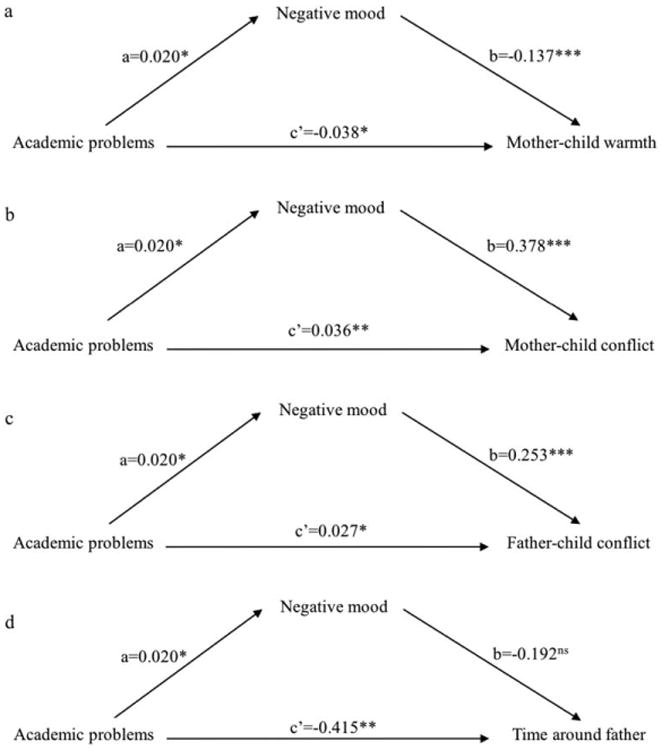
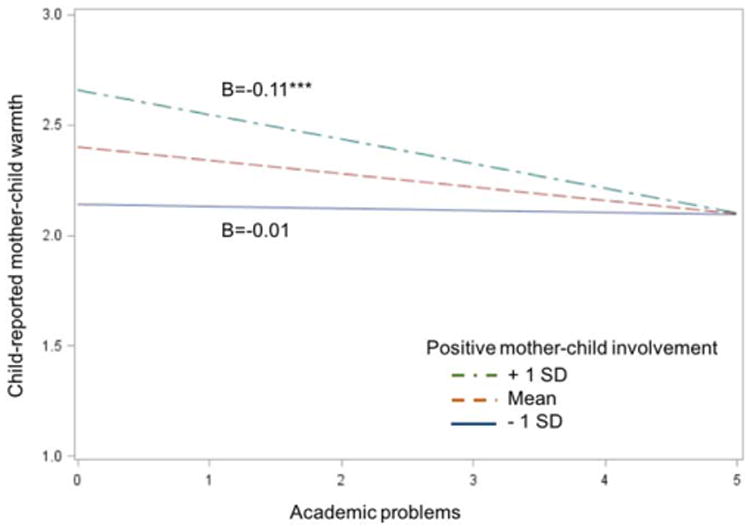
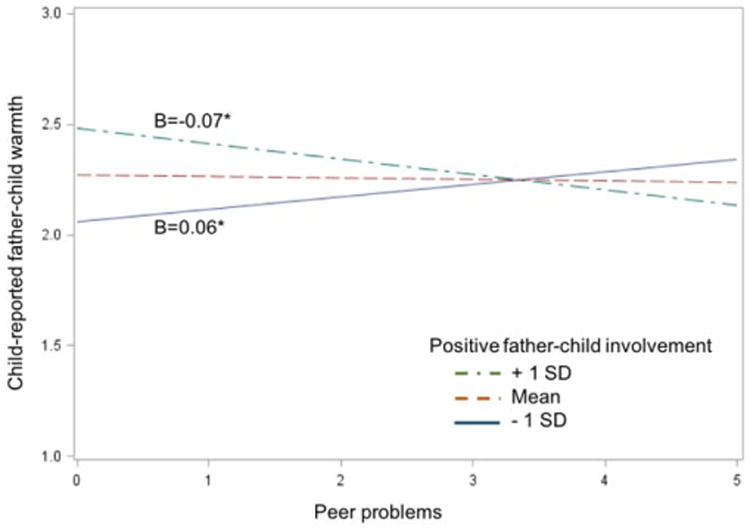
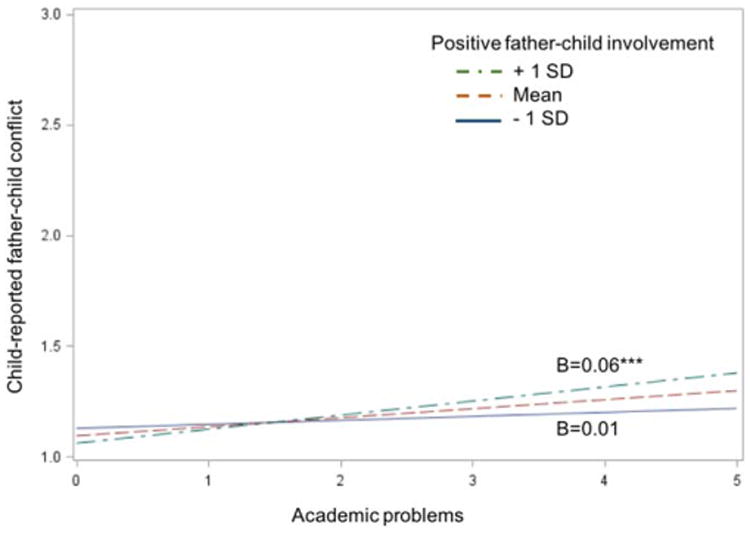
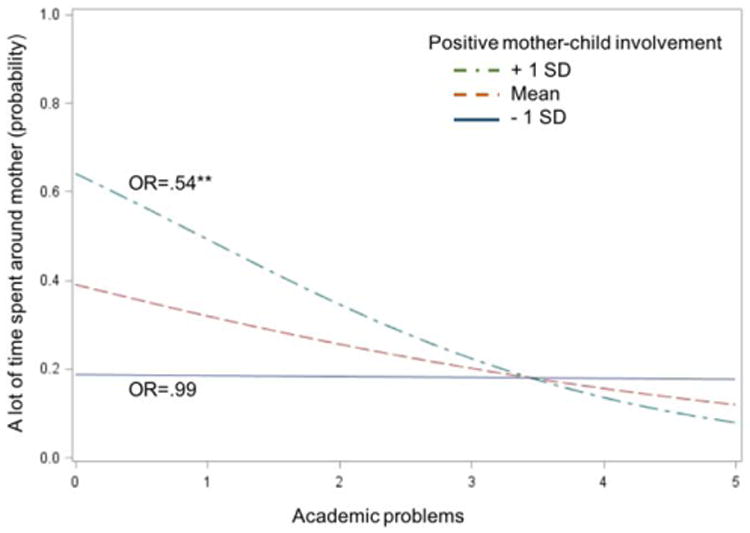
This study examined how academic and peer problems at school are linked to family interactions at home on the same day, using eight consecutive weeks of daily diary data collected from early adolescents (60% female; M age = 11.28, SD = 1.50), mothers and fathers in 47 families. On days when children reported more academic problems at school, they, but not their parents, reported less warmth and more conflict with mothers, and more conflict and less time spent around fathers. These effects were partially explained by same-day child reports of higher negative mood. Peer problems were less consistently associated with parent-child interactions over and above the effects of academic problems that day. A one-time measure of parent-child relationship quality moderated several daily associations, such that the same-day link between school problems and child-report of family interactions was stronger among children who were closer to their parents.
Keywords: academic problems; diary methods; mood; parent-child interactions; peer problems.
Figures
References
-
- Allison BN, Schultz JB. Parent-adolescent conflict in early adolescence. Adolescence. 2004;39:101–119. - PubMed
-
- Bolger N, Laurenceau JP. Intensive Longitudinal Methods: An Introduction to Diary and Experience Sampling Research. New York, NY: The Guilford Press; 2016.
-
- Bowes L, Maughan B, Caspi A, Moffitt TE, Arseneault L. Families promote emotional and behavioural resilience to bullying: Evidence of an environmental effect. Journal of Child Psychology and Psychiatry. 2010;51:809–817. - PubMed
-
- Bumpus MF, Crouter AC, McHale SM. Linkages between negative work-to-family spillover and mothers' and fathers' knowledge of their young adolescents' daily lives. The Journal of Early Adolescence. 2006;26:36–59.
-
- Cassano MC, Zeman JL, Sanders WM. Responses to children's sadness: Mothers' and fathers' unique contributions and perceptions. Merrill-Palmer Quarterly. 2014;60:1–23.
Grants and funding
LinkOut - more resources
Full Text Sources
Other Literature Sources