


Excessive Endoplasmic Reticulum Stress Correlates with Impaired Mitochondrial Dynamics, Mitophagy and Apoptosis, in Liver and Adipose Tissue, but Not in Muscles in EMS Horses
- PMID: 29316632
- PMCID: PMC5796114
- DOI: 10.3390/ijms19010165
Excessive Endoplasmic Reticulum Stress Correlates with Impaired Mitochondrial Dynamics, Mitophagy and Apoptosis, in Liver and Adipose Tissue, but Not in Muscles in EMS Horses
Abstract
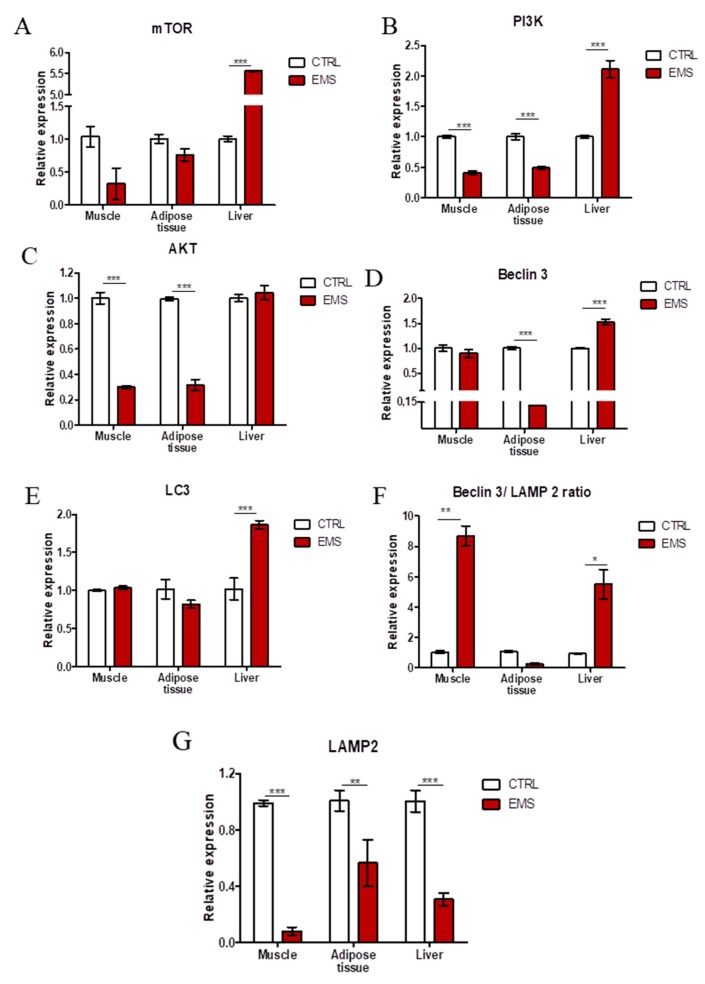
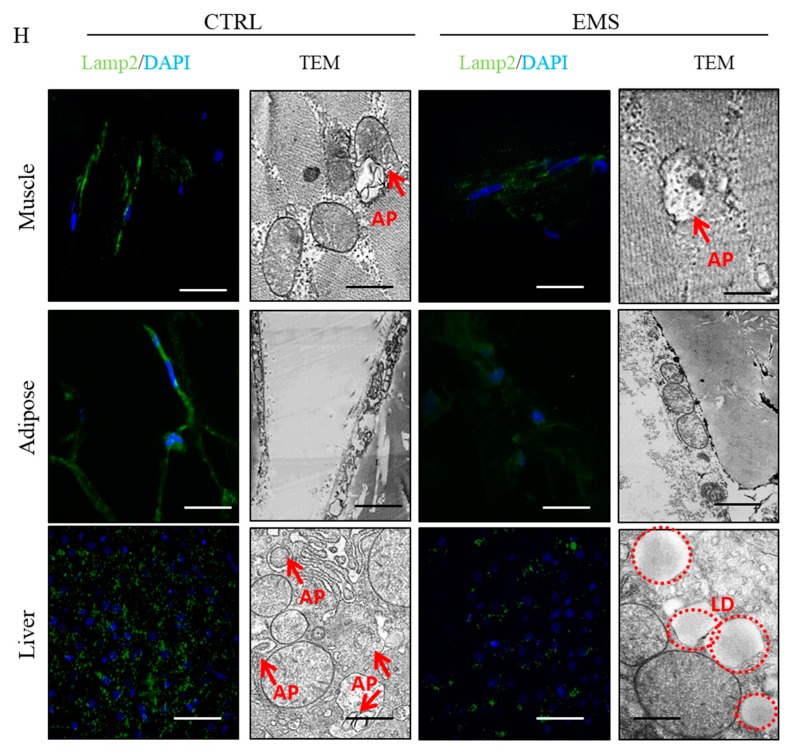
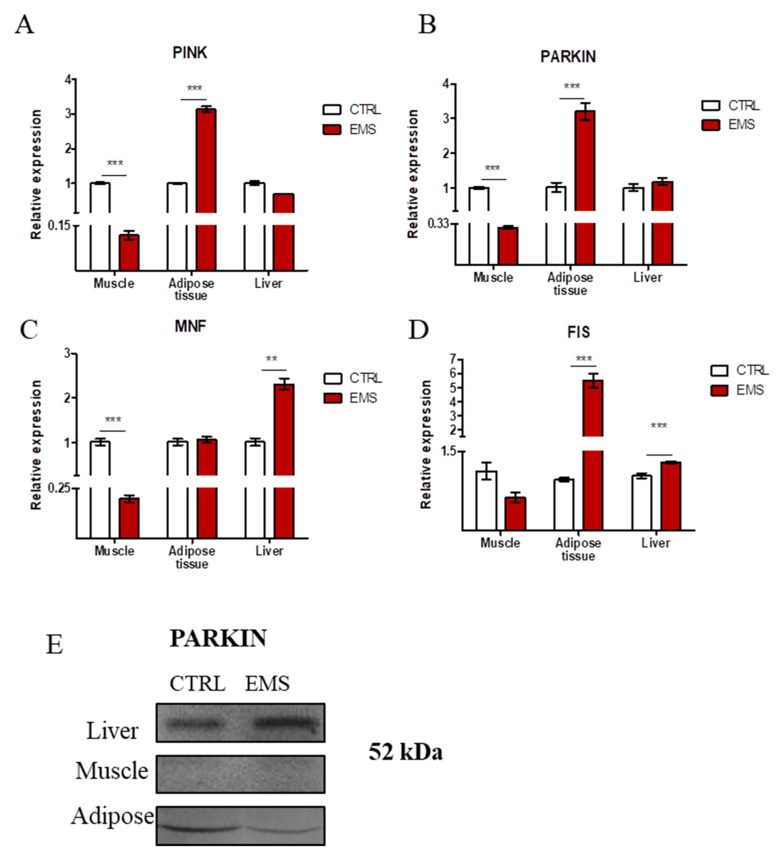
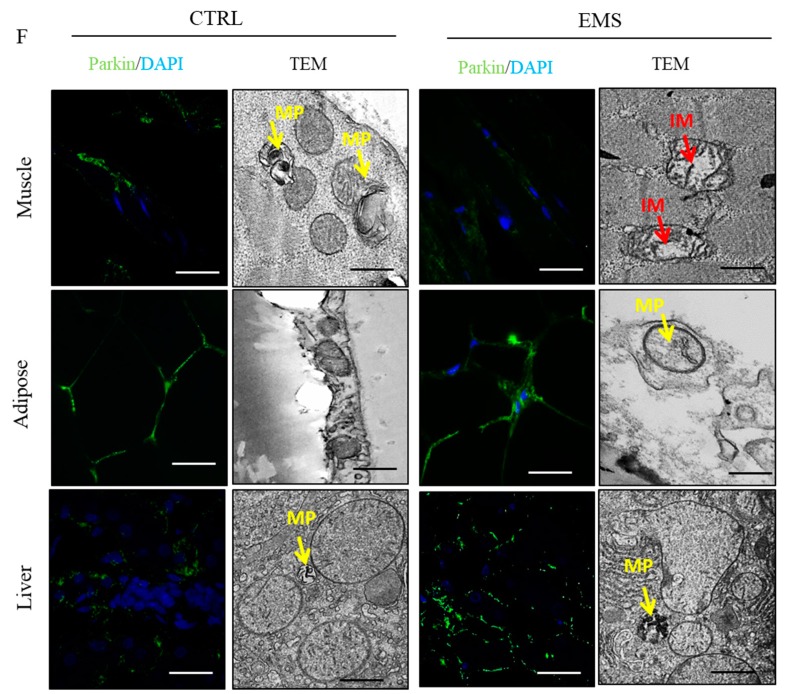
Nowadays, endocrine disorders have become more frequent in both human and veterinary medicine. In horses, reduced physical activity combined with carbohydrate and sugar overload may result in the development of the so-called equine metabolic syndrome (EMS). EMS is characterized by insulin resistance, hyperinsulinemia, elevated blood triglyceride concentrations and usually obesity. Although the phenotypic features of EMS individuals are well known, the molecular mechanism underlying disease development remains elusive. Therefore, in the present study, we analyzed insulin-sensitive tissues, i.e., muscles, liver and adipose tissue in order to evaluate insulin resistance and apoptosis. Furthermore, we assessed mitochondrial dynamics and mitophagy in those tissues, because mitochondrial dysfunction is linked to the development of metabolic syndrome. We established the expression of genes related to insulin resistance, endoplasmic reticulum (ER) stress and mitochondria clearance by mitophagy using RT-PCR and Western blot. Cell ultrastructure was visualized using electron transmission microscopy. The results indicated that adipose tissue and liver of EMS horses were characterized by increased mitochondrial damage and mitophagy followed by triggering of apoptosis as mitophagy fails to restore cellular homeostasis. However, in muscles, apoptosis was reduced, suggesting the existence of a protective mechanism allowing that tissue to maintain homeostasis.
Keywords: apoptosis; autophagy; insulin resistance; metabolic syndrome; mitochondria.
Conflict of interest statement
The authors declare no conflict of interest.
Figures
References
-
- Geor R.J., McCue M.E., Schultz N. Current understanding of the equine metabolic syndrome phenotype. J. Equine Vet. Sci. 2013;33:841–844. doi: 10.1016/j.jevs.2013.08.010. - DOI
-
- Basinska K., Marycz K., Śmieszek A., Nicpoń J. The production and distribution of IL-6 and TNF-α in subcutaneous adipose tissue and their correlation with serum concentrations in Welsh ponies with equine metabolic syndrome. J. Vet. Sci. 2015;16:113–120. doi: 10.4142/jvs.2015.16.1.113. - DOI - PMC - PubMed
MeSH terms
Substances
LinkOut - more resources
Full Text Sources
Other Literature Sources
