


Effectiveness of two different herbal toothpaste formulations in the reduction of plaque and gingival inflammation in patients with established gingivitis - A randomized controlled trial
- PMID: 29321998
- PMCID: PMC5755992
- DOI: 10.1016/j.jtcme.2017.04.005
Effectiveness of two different herbal toothpaste formulations in the reduction of plaque and gingival inflammation in patients with established gingivitis - A randomized controlled trial
Abstract
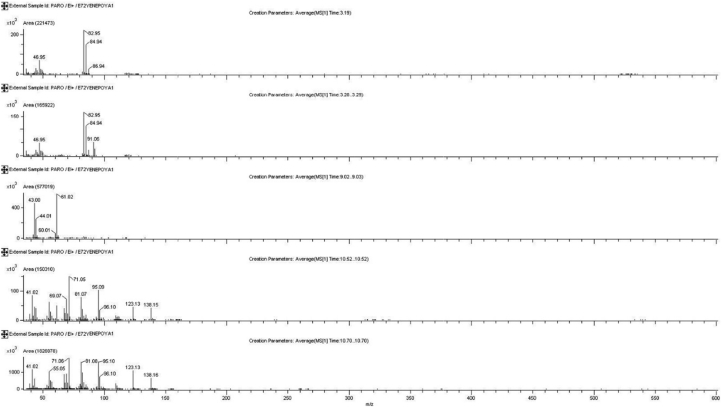
Background: Plant based toothpastes have received great attention in reducing gingival inflammation. Studies show contrasting results regarding the effectiveness of these toothpastes. In the present study, the effectiveness of two herbal tooth paste formulations in the reduction of plaque and gingival inflammation was assessed. Nicotine content in the toothpastes was assessed using GCMS.
Material and methods: 50 patients with established gingivitis were included in the study. The subjects were randomly assigned to either the test (Parodontax®) or the control (Colgate® herbal) group. There were 5 drop outs in the study in the control group after baseline examination. No prophylaxis was undertaken prior to commencement of the study, and no attempt was made to modify the participant's oral hygiene habits. A brief case history was recorded at baseline. The Turesky (1970) modification of the Quigley, Hein (1962) Plaque index (PI), the Loe and Silness (1963) Gingival Index (GI). Unstimulated salivary samples were collected at baseline and 30th day and the pH was measured using a salivary pH meter (CL-51B; Systronics New Delhi, India).Comparisons (intergroup and intragroup) were analysed by the t-test. Groups were also compared regarding age by means of t test, and association between group and sex was verified by means of the chi-square test. All statistical tests employed a level of significance of α = 0.05. There were reports of presence of nicotine and its derivatives in herbal toothpaste after the study was nearing completion. Hence we assessed for the presence of nicotine in both the toothpaste using the methods described by Aggarwal et al.24.
Results: When the two groups (test and control groups) were evaluated, after 30 days, the test group presented an average 21.08% reduction in plaque and the control group showed 31.85% reduction in plaque scores. The mean reduction in gingival index (GI) scores was 25.92% and 19.14% in the test and control groups respectively. There was no significant difference between the groups in GI, PI and salivary pH levels. There was no evidence of nicotine or related compounds in both the tooth paste.
Conclusion: Both herbal based dentifrices reduce plaque levels and gingival inflammation. But, it did not alter the pH of the saliva. However, there were no additional benefits of the Parodontax® toothpaste over Colgate® Herbal toothpaste. There was no evidence of nicotine or related compounds in both herbal toothpaste.
Keywords: Dental plaque; Gingivitis; Herbal; Nicotine; Saliva; Toothpaste.
Figures


References
-
- Papapanou P.N. Epidemiology of periodontal diseases: an update. J Int Acad Periodontol. 1999;1:110–116. - PubMed
-
- Russell A.L. The prevalence of periodontal disease in different populations during the circumpubertal period. J Periodontol. 1971;42:508–512. - PubMed
-
- Kelly J.E., Sanchez M.J. Periodontal disease and oral hygiene among children. United States. Vital Health Stat 11. 1972;117:1–28. - PubMed
-
- Löe H., Theilade E., Jensen S.B. Experimental gingivitis in man. J Periodontol. 1965;36:177–187. - PubMed
-
- Addy M., Moran J., Wade W. Chemical plaque control in the prevention of gingivitis and periodontitis. In: Lang N.P., Karring T., editors. Proceedings of the First European Workshop on Periodontology. Quintessence Publishing; London: 1994. pp. 244–257.
LinkOut - more resources
Full Text Sources
Other Literature Sources
Research Materials
Miscellaneous