


Schisandrin ameliorates cognitive impairment and attenuates Aβ deposition in APP/PS1 transgenic mice: involvement of adjusting neurotransmitters and their metabolite changes in the brain
- PMID: 29323336
- PMCID: PMC5888682
- DOI: 10.1038/aps.2017.135
Schisandrin ameliorates cognitive impairment and attenuates Aβ deposition in APP/PS1 transgenic mice: involvement of adjusting neurotransmitters and their metabolite changes in the brain
Abstract
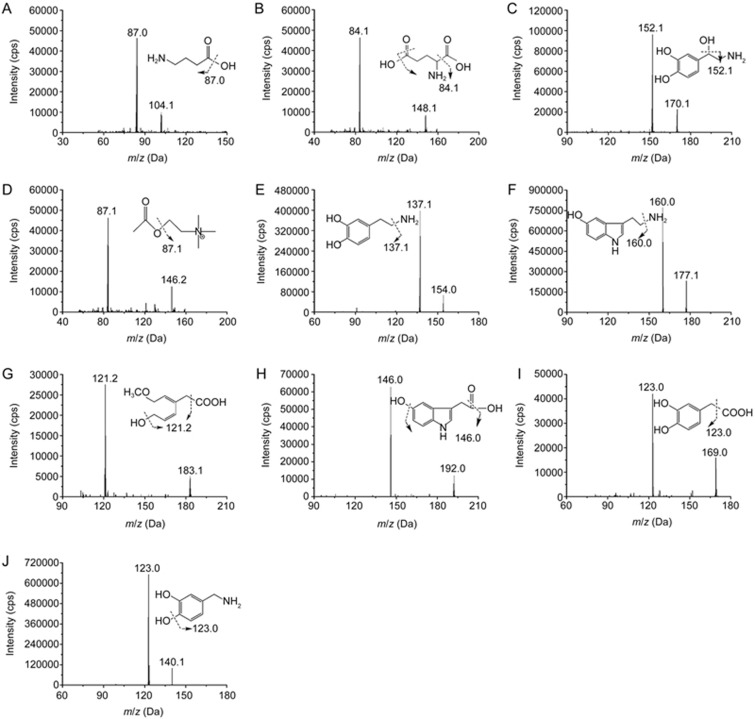
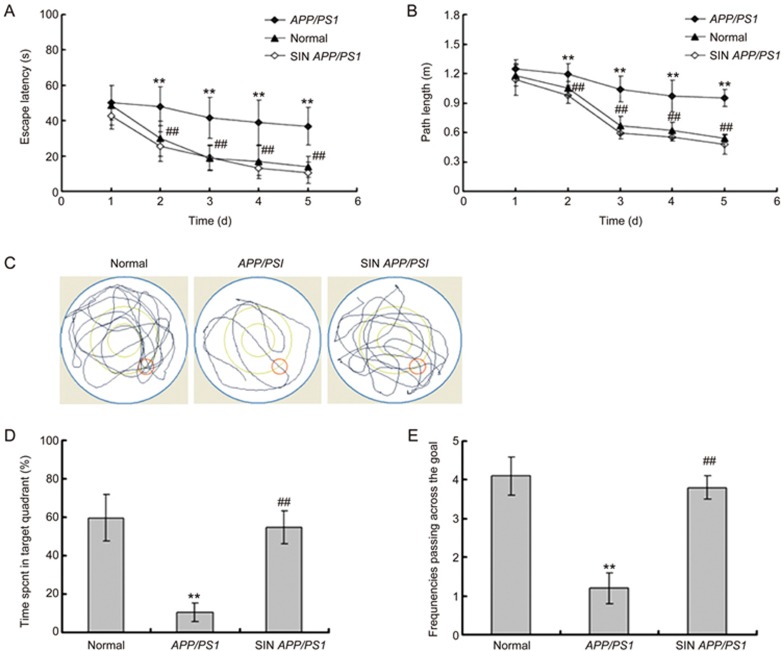
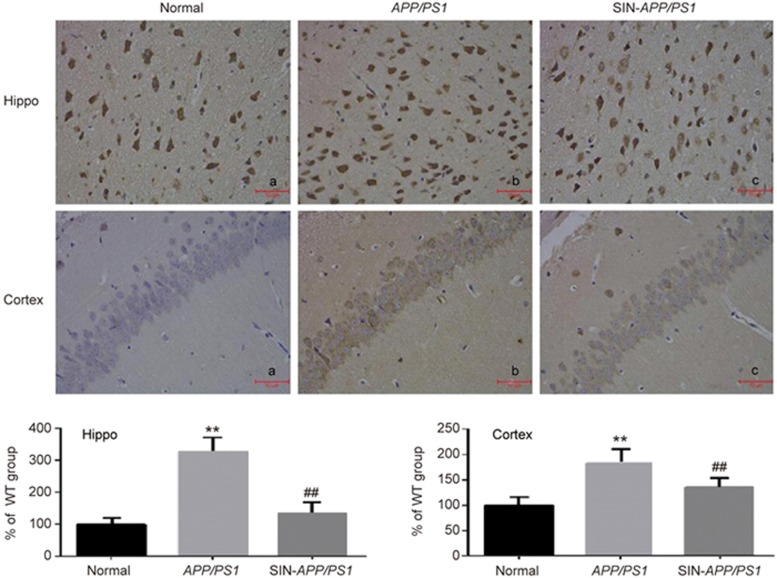
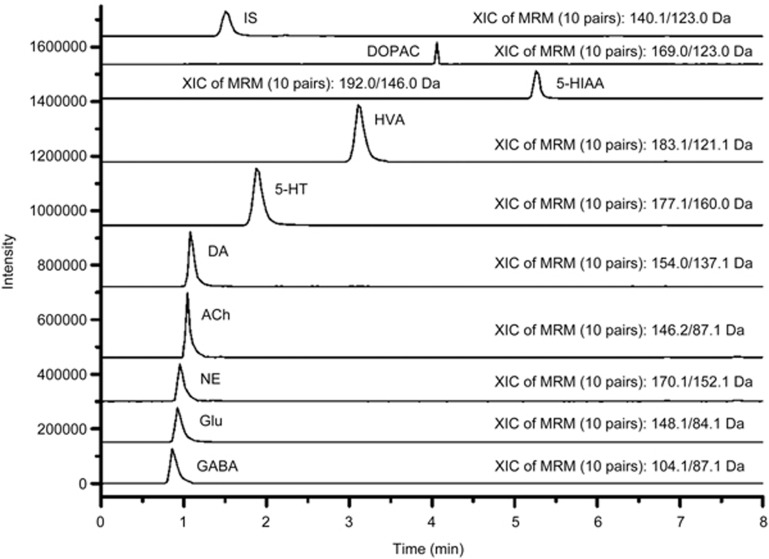
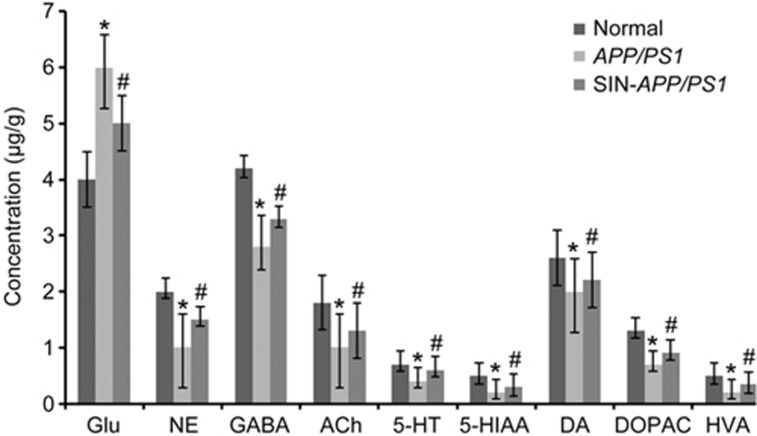
Neurotransmitters (NTs) in the brain are involved in neurodegenerative diseases, such as Alzheimer's disease (AD). Schisandrin is a major ingredient of Schisandra chinensis (Turcz.) Baill and has been used for the treatment of AD. In this study we examined the therapeutic effects of schisandrin in APP/PS1 transgenic mice, and correlated the beneficial effects on cognitive impairment with the adjustments in NTs and their metabolites in the mouse brains. APP/PS1 mice were treated with schisandrin (2 mg·kg-1·d-1, ip) for 2 weeks. In Morris Water Maze test; untreated APP/PS1 mice displayed significant cognitive impairment compared with normal mice; schisandrin administration ameliorated the cognitive impairment and significantly decreased Aβ deposition in the hippocampus. In order to assess the effects of schisandrin on NTs and their metabolites, we developed a rapid and sensitive UPLC-MS/MS method for simultaneous determination of serotonin, 5-hydroxyindole acetic acid, dopamine, norepinephrine, γ-aminobutyric acid, glutamic acid, homovanillic acid, 3,4-dihydroxyphenylacetic acid and acetylcholine in mouse brains. This method conformed to methodology validation requirements. We found that there were statistically significant differences in these NTs and their metabolites between untreated APP/PS1 mice and normal mice, whereas schisandrin administration restored the abnormal NTs and their metabolites levels. These results suggest that schisandrin could alter the levels of these NTs and their metabolites in the brain, thus ameliorating learning and memory impairments in APP/PS1 mice.
Figures
References
-
- Querfurth HW, Laferla FM. Alzheimer's Disease. N Eng J Med 2010; 362: 329–44. - PubMed
-
- Graham SF, Chevallier OP, Roberts D, Hölscher C, Elliott CT, Green BD. Investigation of the human brain metabolome to identify potential markers for early diagnosis and therapeutic targets of Alzheimer's disease. Anal Chem 2013; 85: 1803–11. - PubMed
MeSH terms
Substances
LinkOut - more resources
Full Text Sources
Other Literature Sources
Medical
