


Disulfide-masked iron prochelators: Effects on cell death, proliferation, and hemoglobin production
- PMID: 29324291
- PMCID: PMC5956897
- DOI: 10.1016/j.jinorgbio.2017.12.016
Disulfide-masked iron prochelators: Effects on cell death, proliferation, and hemoglobin production
Abstract
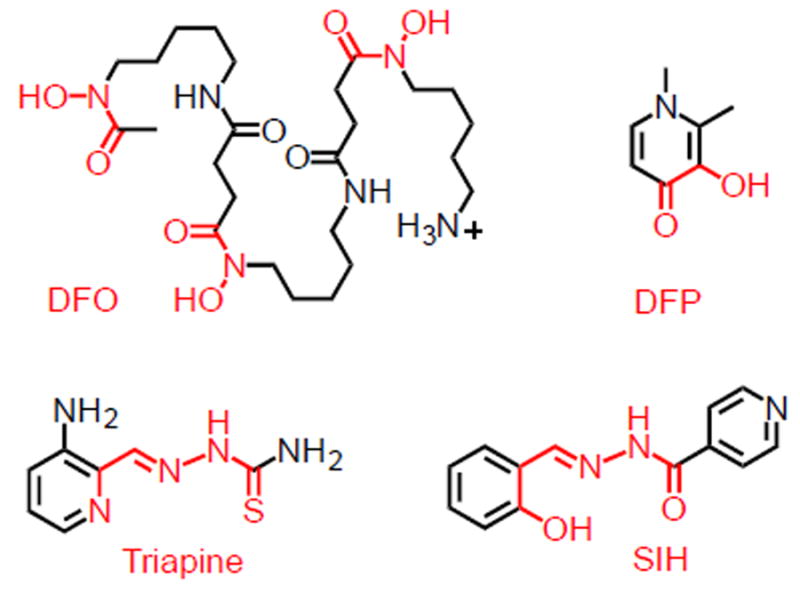
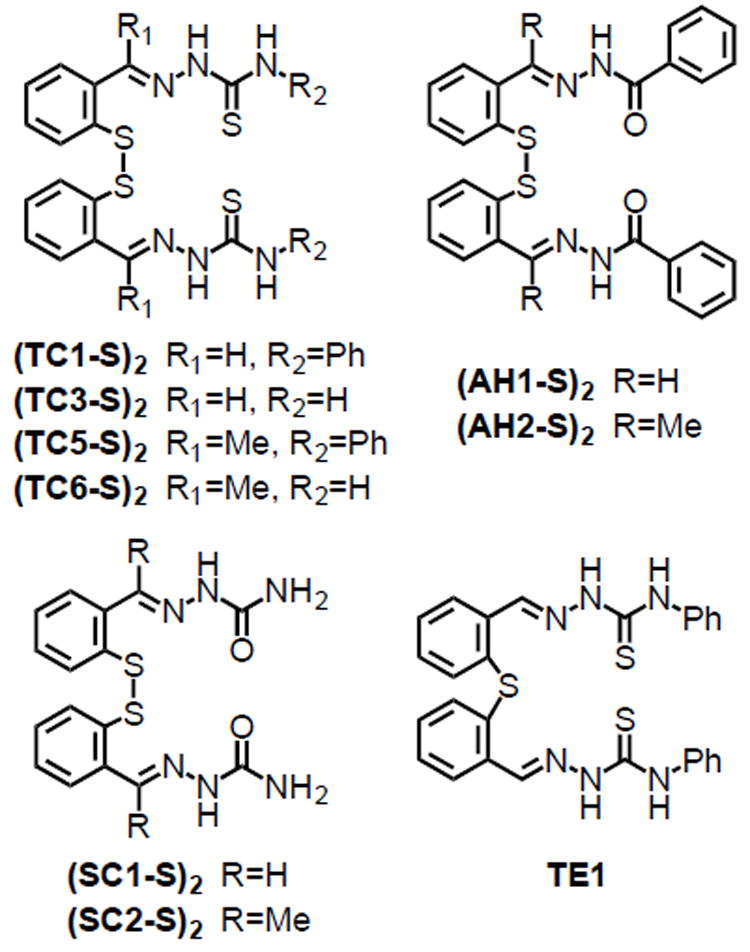
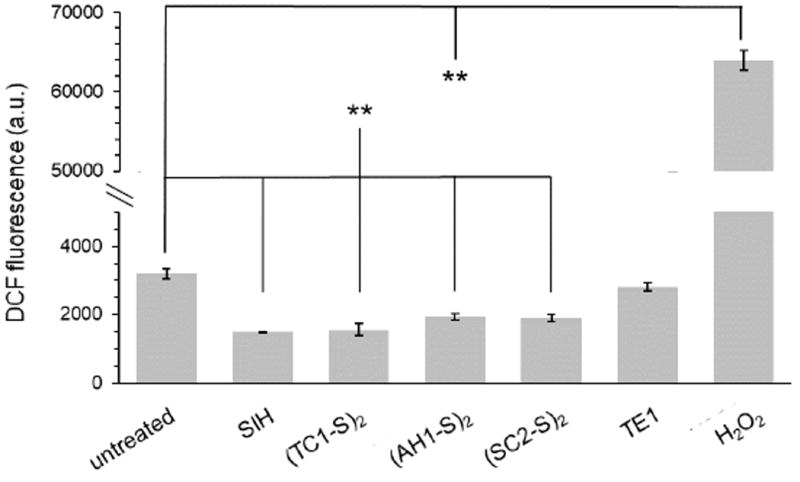
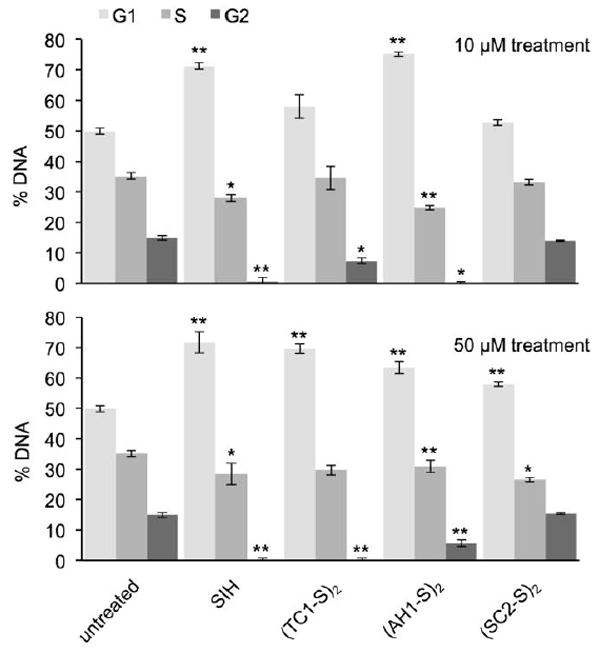
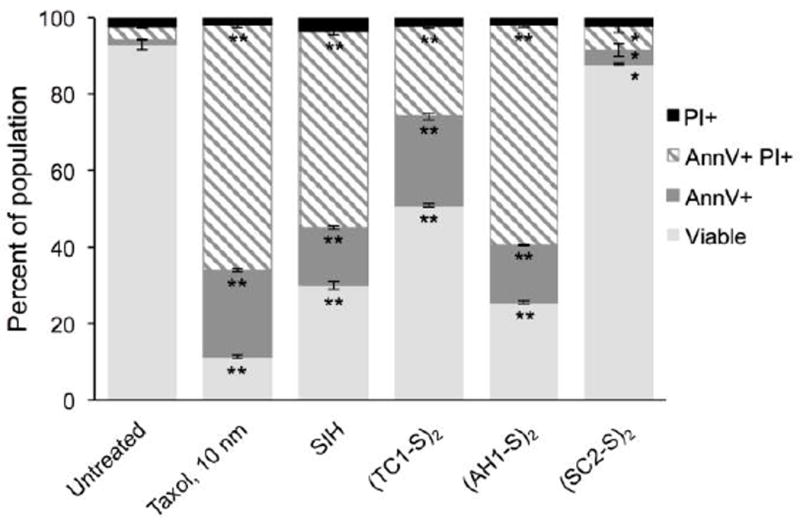
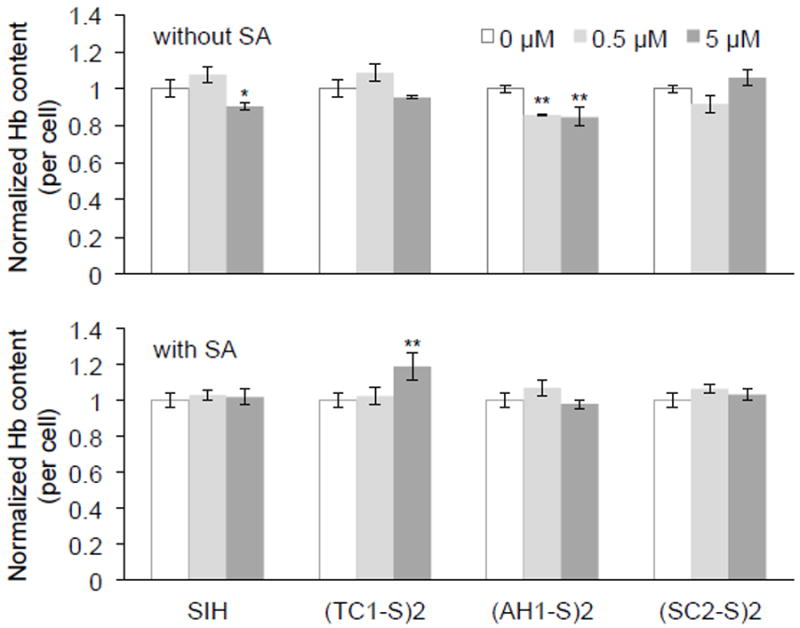
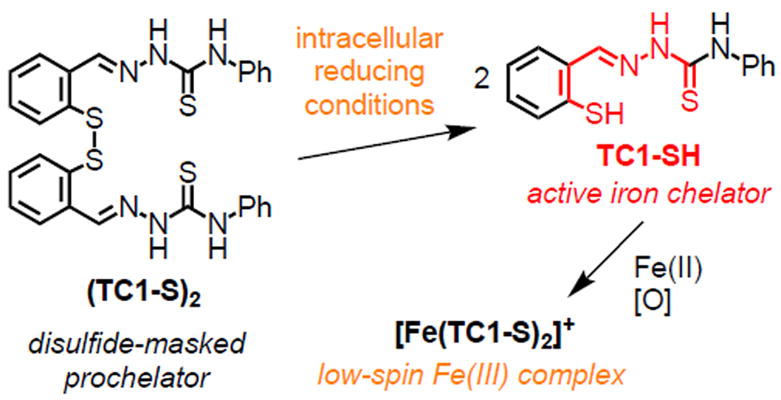
The iron metabolism of malignant cells, which is altered to ensure higher acquisition and utilization, motivates the investigation of iron chelation strategies in cancer treatment. In a prochelation approach aimed at increasing intracellular specificity, disulfide reduction/activation switches are incorporated on iron-binding scaffolds resulting in intracellularly activated scavengers. Herein, this strategy is applied to several tridentate donor sets including thiosemicarbazones, aroylhydrazones and semicarbazones. The novel prochelator systems are antiproliferative in breast adenocarcinoma cell lines (MCF-7 and metastatic MDA-MB-231) and do not result in the intracellular generation of oxidative stress. Consistent with iron deprivation, the tested prochelators lead to cell-cycle arrest at the G1/S interface and induction of apoptosis. Notably, although hemoglobin-synthesizing blood cells have the highest iron need in the human body, no significant impact on hemoglobin production was observed in the MEL (murine erythroleukemia) model of differentiating erythroid cells. This study provides new information on the intracellular effects of disulfide-based prochelators and indicates aroylhydrazone (AH1-S)2 as a promising prototype of a new class of antiproliferative prochelator systems.
Keywords: Anticancer; Cell-cycle arrest; Hemoglobin production; Iron; Prochelator.
Copyright © 2017 Elsevier Inc. All rights reserved.
Figures
References
-
- Habashy HO, Powe DG, Staka CM, Rakha EA, Ball G, Green AR, Aleskandarany M, Paish EC, Macmillan RD, Nicholson RI, Ellis IO, Gee JMW. Breast Cancer Res Treat. 2010;119:283–293. - PubMed
-
- Ricolleau G, Charbonnel C, Lode L, Loussouarn D, Joalland MP, Bogumil R, Jourdain S, Minvielle S, Campone M, Deporte-Fety R, Campion L, Jezequel P. Proteomics. 2006;6:1963–1975. - PubMed
Publication types
MeSH terms
Substances
Grants and funding
LinkOut - more resources
Full Text Sources
Other Literature Sources
Miscellaneous
