Meta-Analysis
. 2018 Jan 11;13(1):e0191093.
doi: 10.1371/journal.pone.0191093. eCollection 2018.

Platelet-rich plasma to treat experimentally-induced skin wounds in animals: A systematic review and meta-analysis

Affiliations
Meta-Analysis

Platelet-rich plasma to treat experimentally-induced skin wounds in animals: A systematic review and meta-analysis

Adolfo Maria Tambella et al. PLoS One. .

Abstract

The objective of the study was to review current literature to determine whether the topical application of platelet-rich plasma (PRP) promotes healing in experimentally-induced full-thickness skin wounds in animals. The hypothesis was that the adjunct of PRP has a positive effect on wound healing. An electronic search was carried out on the following databases: Web of Science, Cochrane Library, PubMed, Research Gate, Cochrane Wounds Group, Veterinary Information Network. No publication date nor language restrictions were applied. Randomised and not randomised controlled clinical trials comparing PRP with placebo or with other treatments were included. The reduction of open wound area in PRP-treated (test) wounds compared to control wounds was the primary outcome. Secondary outcomes were healing time and number of healed cases in test group compared to control. The following effect sizes were calculated: the Hedges' g for continuous variables; the odds ratio for binary data. Eighteen controlled clinical trials were included in the qualitative and quantitative synthesis, with a total of 661 wounds. All studies were published in the period 2007-2016. Eight studies were carried out on rodent/lagomorph mammals and 10 on non-rodent/lagomorph mammals. In all included studies, control wounds underwent placebo or were left untreated. The PRP group showed a better healing performance than the control group in each outcome. The effect size was statistically significant considering the primary outcome and the overall aggregation of the three outcomes. The effect size, although in favour of the treatment with PRP, was not significant considering the healing time and the number of healings. The overall heterogeneity was mild or moderate. Five studies reported a high risk of selection bias. The publication bias was always mild or absent. The results support the hypothesis of the positive effects of the PRP when compared to control groups in the treatment of experimentally-induced full-thickness skin wounds in animals. PRP can therefore be considered an effective adjunctive therapy in stimulating second intention healing of acute wounds in healthy animals.


Conflict of interest statement

Competing Interests: The authors have declared that no competing interests exist.

Figures

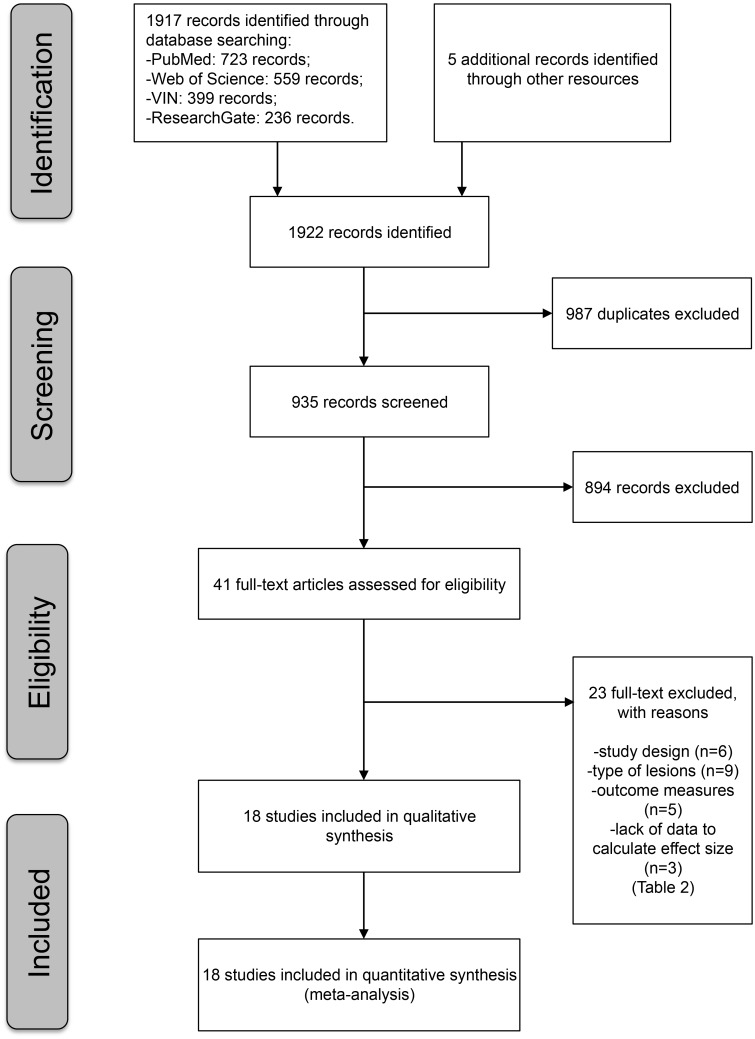
Fig 1
Fig 1. Selection of primary studies: PRISMA flow diagram.
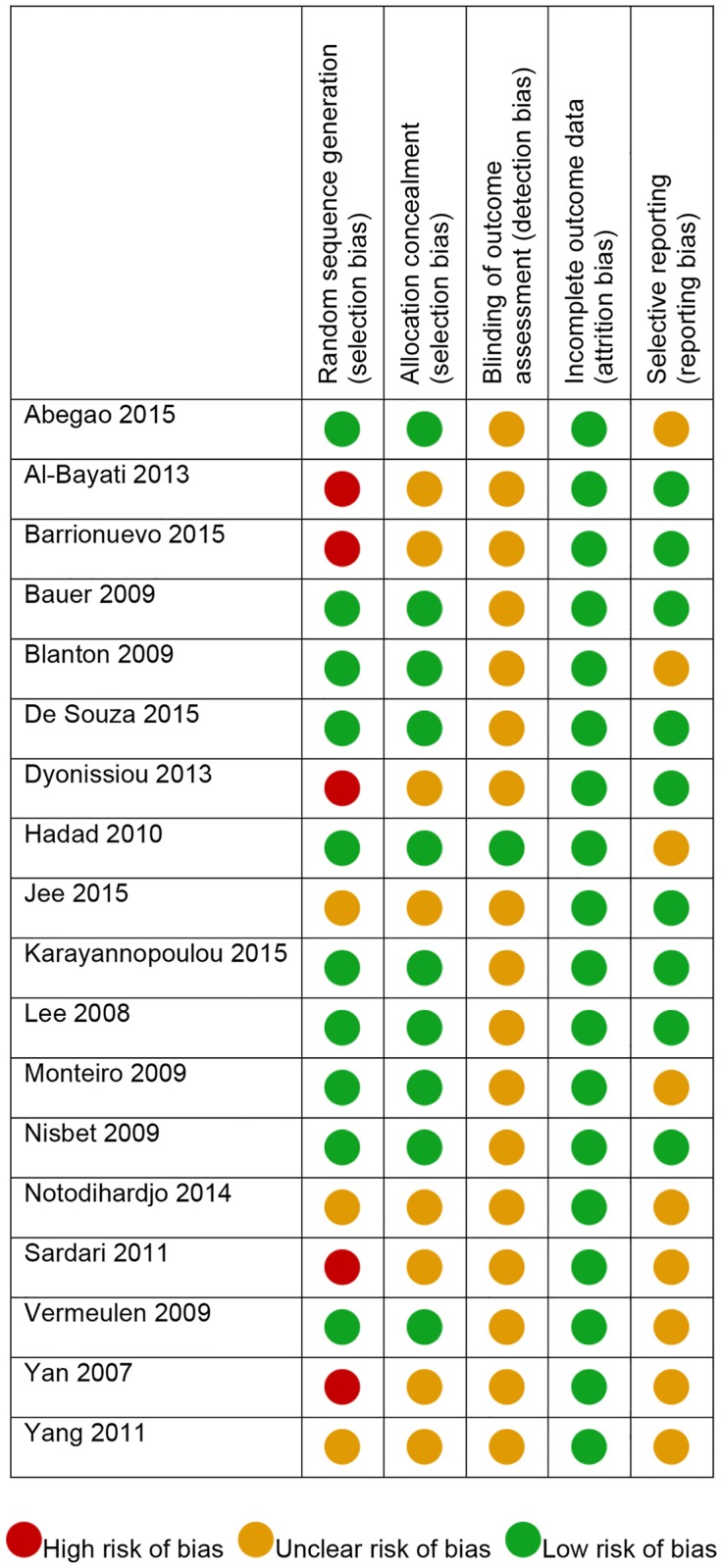
Fig 2
Fig 2. Risk of bias summary.
Review author’s judgement obtained by each included study for each type of bias.
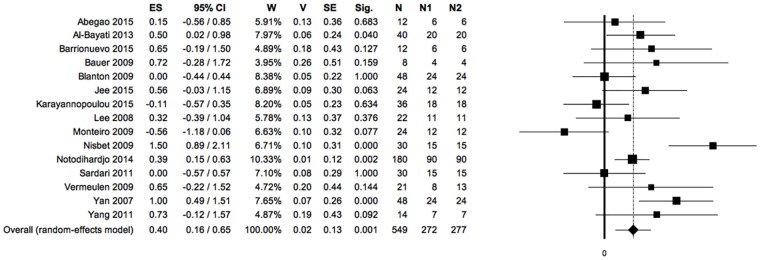
Fig 3
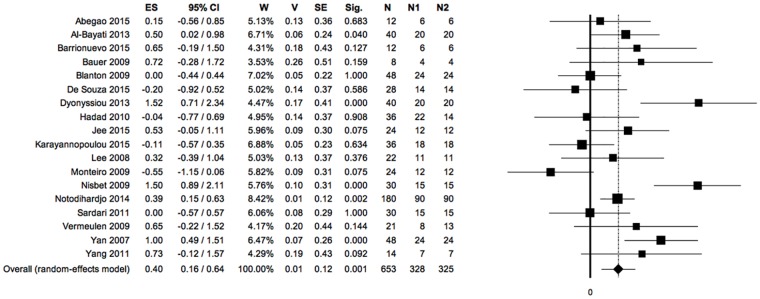
Fig 3. Forest plot: PRP vs control, meta-analysis 1: Reduction of open wound area (negative ES, positioned on the left of the null value: favours control; positive ES, positioned on the right of the null value: favours PRP).
Heterogeneity analysis: Q = 39.35; df = 14; P = 0.000; I2 = 64.42; T2 = 0.14; T = 0.37. (ES: effect size; 95%CI: confidence interval; W: weight; V: variance; SE: standard error; Sig: statistical significance (p-value); N: total sample size; N1: sample size PRP group; N2: sample size control group; Q, I2, T2 and T: indexes of heterogeneity; df: degrees of freedom).
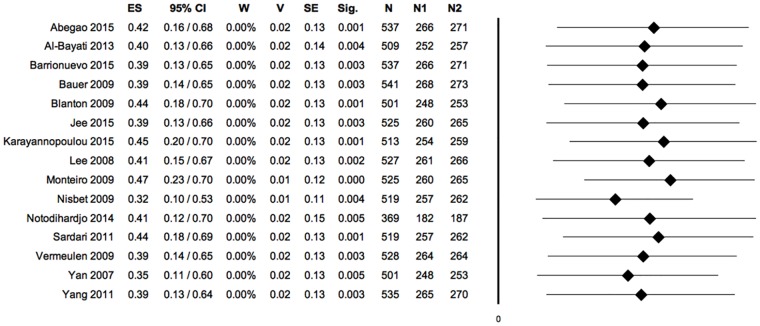
Fig 4
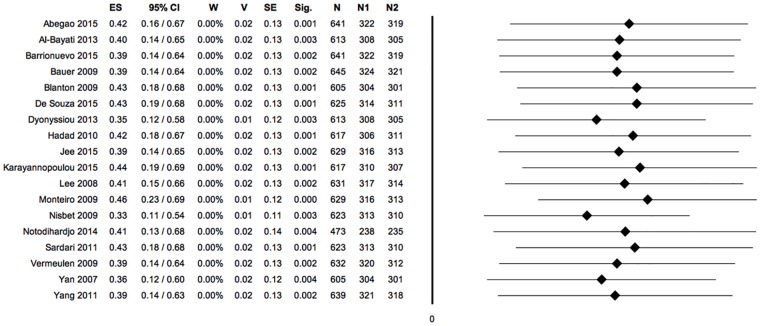
Fig 4. Sensitivity analysis, meta-analysis 1: Reduction of open wound area.
(ES: effect size; 95%CI: confidence interval; W: weight; V: variance; SE: standard error; Sig: statistical significance (p-value); N: total sample size; N1: sample size PRP group; N2: sample size control group).
Fig 5
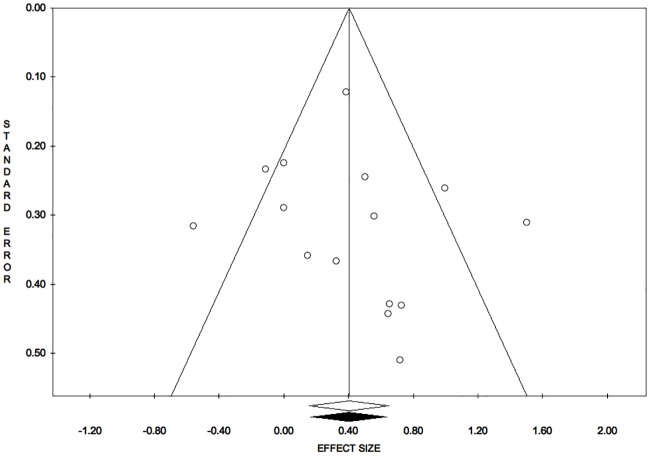
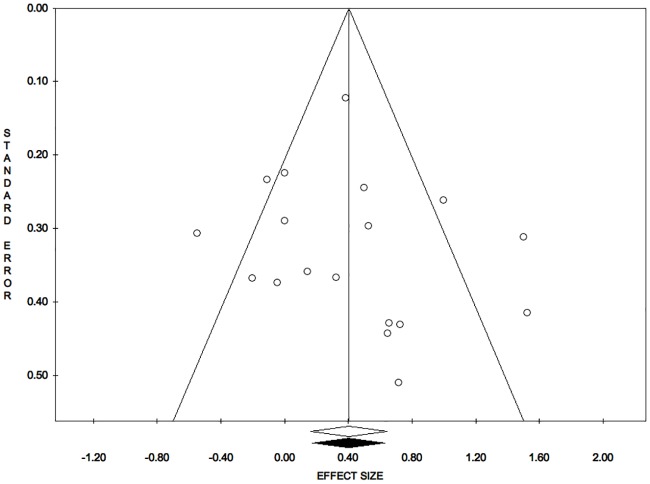
Fig 5. Publication bias analysis, funnel plot, meta-analysis 1: Reduction of open wound area.
Trim and fill analysis: trimmed studies = 0. Overall effect size (observed): ES = 0.40; LL = 0.16; UL = 0.65; P = 0.001; V = 0.02; SE = 0.13. Overall effect size (estimated): ES = 0.40; LL = 0.16; UL = 0.65; P = 0.001; V = 0.02; SE = 0.13. Egger’s linear regression test: intercept = 0.60; t = 0.52; P = 0.611.
Fig 6
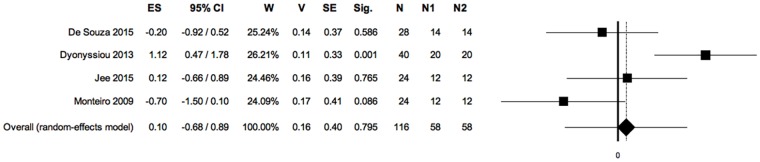
Fig 6. Forest plot: PRP vs control, meta-analysis 2: Healing time (negative ES, positioned on the left of the null value: favours control; positive ES, positioned on the right of the null value: favours PRP).
Heterogeneity analysis: Q = 13.69; df = 3; P = 0.003; I2 = 78.09; T2 = 0.50; T = 0.71. (ES: effect size; 95%CI: confidence interval; W: weight; V: variance; SE: standard error; Sig: statistical significance (p-value); N: total sample size; Q, I2, T2 and T: indexes of heterogeneity; df: degrees of freedom).
Fig 7
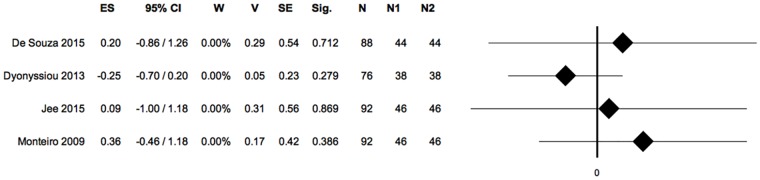
Fig 7. Sensitivity analysis, meta-analysis 2: Healing time.
(ES: effect size; 95%CI: confidence interval; W: weight; V: variance; SE: standard error; Sig: statistical significance (p-value); N: total sample size; N1: sample size PRP group; N2: sample size control group).
Fig 8
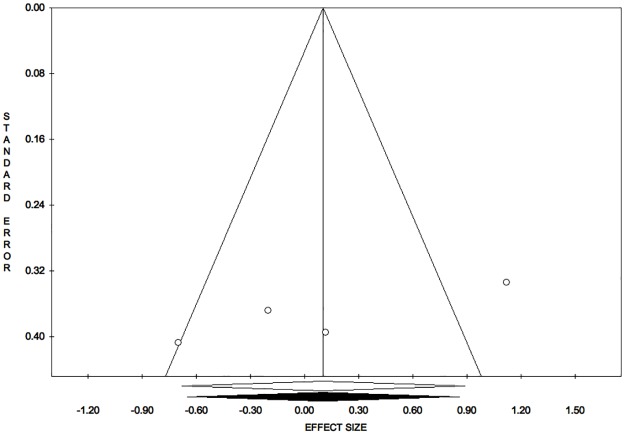
Fig 8. Publication bias analysis, funnel plot, meta-analysis 2: Healing time.
Trim and fill analysis: trimmed studies = 0. Overall effect size (observed): ES = 0.10; LL = -0.68; UL = 0.89; P = 0.795; V = 0.16; SE = 0.40. Overall effect size (estimated): ES = 0.10; LL = -0.68; UL = 0.89; P = 0.795; V = 0.16; SE = 0.40. Egger’s linear regression test: intercept = -21.36; t = -2.66; P = 0.117.
Fig 9
Fig 9. Forest plot: PRP vs control, meta-analysis 3: Number of healings (negative ES, positioned on the left of the null value: favours control; positive ES, positioned on the right of the null value: favours PRP).
Heterogeneity analysis: Q = 7.59; df = 1; P = 0.006; I2 = 86.82; T2 = 1.68; T = 1.30. (ES: effect size; 95%CI: confidence interval; W: weight; V: variance; SE: standard error; Sig: statistical significance (p-value); N: total sample size; N1: sample size PRP group; N2: sample size control group; Q, I2, T2 and T: indexes of heterogeneity; df: degrees of freedom).
Fig 10
Fig 10. Forest plot: PRP vs control, meta-analysis 4: Combination of all outcomes (negative ES, positioned on the left of the null value: favours control; positive ES, positioned on the right of the null value: favours PRP).
Heterogeneity analysis: Q = 50.87; df = 17; P = 0.000; I2 = 66.58; T2 = 0.16; T = 0.40. (ES: effect size; 95%CI: confidence interval; W: weight; V: variance; SE: standard error; Sig: statistical significance (p-value); N: total sample size; Q, I2, T2 and T: indexes of heterogeneity; df: degrees of freedom).
Fig 11
Fig 11. Sensitivity analysis, meta-analysis 4: Combination of all outcomes.
(ES: effect size; 95%CI: confidence interval; W: weight; V: variance; SE: standard error; Sig: statistical significance (p-value); N: total sample size; N1: sample size PRP group; N2: sample size control group).
Fig 12
Fig 12. Publication bias analysis, funnel plot, meta-analysis 4: Combination of all outcomes.
Trim and fill analysis: trimmed studies = 0. Overall effect size (observed): ES = 0.40; LL = 0.16; UL = 0.64; P = 0.001; V = 0.01; SE = 0.12. Overall effect size (estimated): ES = 0.40; LL = 0.16; UL = 0.64; P = 0.001; V = 0.01; SE = 0.12. Egger’s linear regression test: intercept = 0.63; t = 0.57; P = 0.577.

References

    1. Knighton DR, Ciresi KF, Fiegel VD, Austin LL, Butler EL. Classification and treatment of chronic nonhealing wounds. Successful treatment with autologous platelet—derived wound healing factors (PDWHF). Ann Surg. 1986; 204(3):322–330. - PMC - PubMed
    1. Mast BA, Schultz GS. Interaction of cytokines, growth factors, and protease in acute and chronic wounds. Wound Repair Regen. 1996; 4:411–420. 10.1046/j.1524-475X.1996.40404.x - DOI - PubMed
    1. Tarnuzzer RW, Schultz GS. Biochemical analysis of acute and chronic wound environments. Wound Repair Regen. 1996; 4:321–325. 10.1046/j.1524-475X.1996.40307.x - DOI - PubMed
    1. Stadelmann WK, Digenis AG, Tobin GR. Physiology and healing dynamics of chronic cutaneous wounds. Am J Surg (Suppl 2A). 1998; 176:26S–38S. - PubMed
    1. Rožman P, Bolta Z. Use of platelet growth factors in treating wounds and soft-tissue injuries. Acta Dermatovenerol Alp Pannonica Adriat. 2007; 16(4):156–165. - PubMed

Publication types