Bedside ultrasound is a practical measurement tool for assessing muscle mass
- PMID: 29340537
- PMCID: PMC5764560
- DOI: 10.5935/0103-507X.20170071
Bedside ultrasound is a practical measurement tool for assessing muscle mass
Abstract
Objective: To evaluate the intra- and inter-reliability and the ease of measuring the quadriceps muscle thickness using bedside ultrasound.
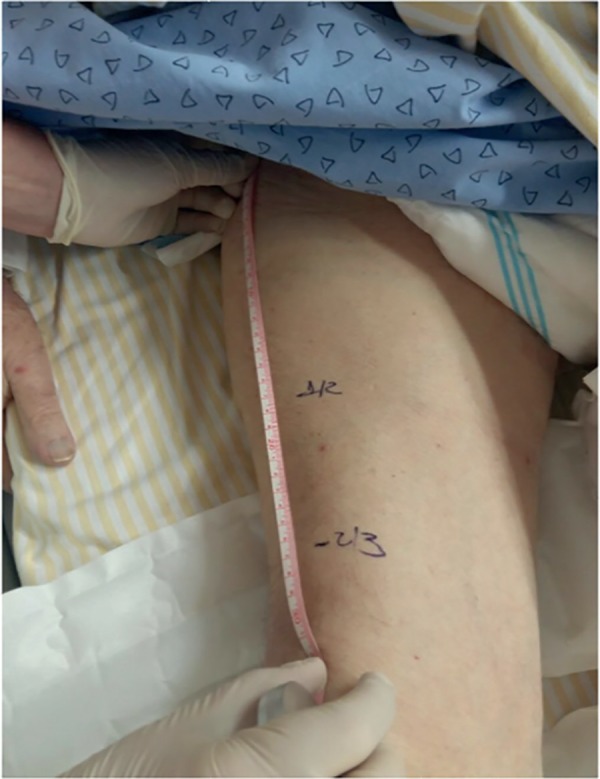
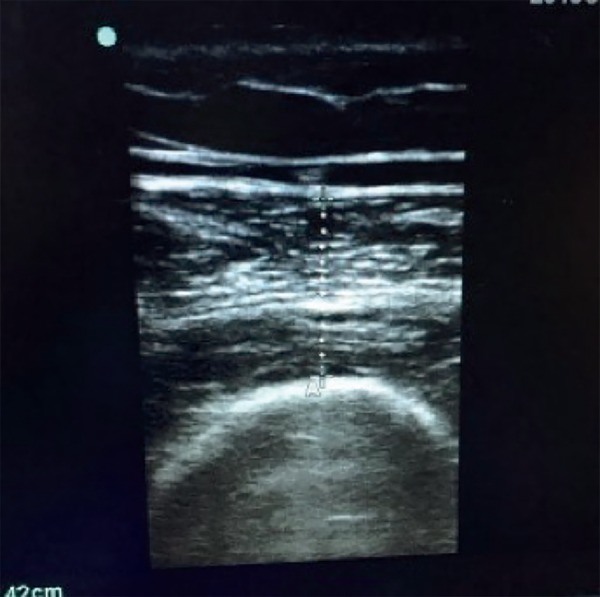
Methods: This is a prospective, observational study. The assessment of quadriceps muscle thickness was performed at two reference points and was quantified using portable B-mode ultrasound in two healthy volunteers. For standardization of measurements and validation of image collections, the team was trained through theoretical and practical classes, with a 6-hour workload.
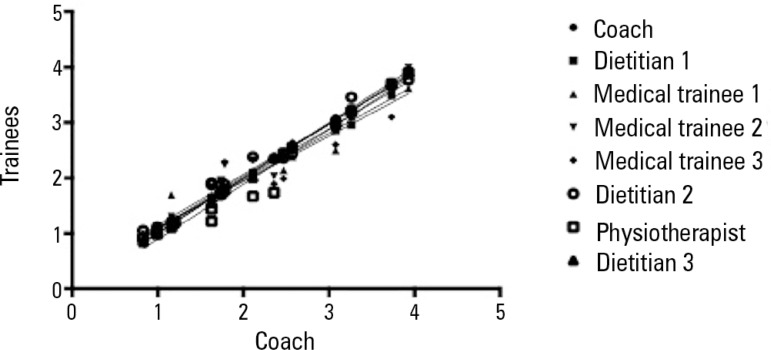
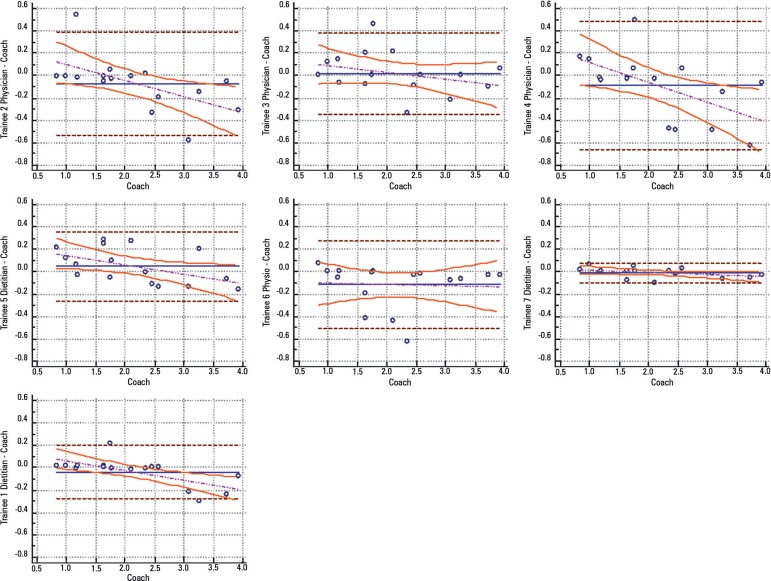
Results: A total of 112 images were examined by the coach and compared with the trainees. Pearson's correlation analysis found an excellent relationship between the coach and all trainees (R2 > 0.90). The best association was between the coach and the dietitians (R2: 0.99; p < 0.001), and the worst association was between the coach and the medical trainees (R2: 0.92; p < 0.001). In the Bland-Altman comparison, the highest error rate found between coach and trainees was 5.12% (95% confidence interval [CI] 3.64-12.37), and the lowest was 1.01% (95%CI 0.72 - 2.58); the highest bias of the values described was -0.12 ± 0.19, and the lowest was -0.01 ± 0.04.
Conclusion: The data analyzed showed a good correlation between the measurements made by the coach and trainees, indicating that ultrasound of the quadriceps muscle is a viable and easily applicable tool.
Objetivo: Avaliar a intra e interconfiabilidade, e a facilidade de medir a espessura muscular do quadríceps, usando ultrassom à beira do leito.
Métodos: Trata-se de um estudo prospectivo, observacional. A avaliação da espessura muscular do quadríceps foi realizada em dois pontos de referência e quantificada com ultrassom portátil em modo B em dois voluntários saudáveis. Para padronização das medidas e validação das coletas das imagens, foi realizada capacitação da equipe por meio de treinamentos com aulas teóricas e práticas, com carga horária de 6 horas.
Resultados: Foram examinadas 112 imagens pelo treinador e comparadas com os alunos. A correlação de Person encontrou excelente relação entre o treinador e todos os alunos (R2 > 0,90). A melhor associação foi entre o treinador e os nutricionistas (R2: 0,99; p < 0,001), e a pior, entre o treinador e alunos médicos (R2: 0,92; p < 0,001). Quanto à comparação de Bland-Altman, a maior porcentagem de erro encontrada entre treinador e alunos foi de 5,12% (IC95% 3,64 - 12,37) e a menor, 1,01% (IC95% 0,72 - 2,58); o maior viés dos valores descrito foi -0,12 ± 0,19, e o menor, -0,01 ± 0,04.
Conclusão: Os dados analisados mostraram boa correlação entre as medidas feitas pelo instrutor e alunos, mostrando que o ultrassom de músculo quadríceps é uma ferramenta viável e de fácil aplicabilidade.
Objetivo: Avaliar a intra e interconfiabilidade, e a facilidade de medir a espessura muscular do quadríceps, usando ultrassom à beira do leito.
Métodos: Trata-se de um estudo prospectivo, observacional. A avaliação da espessura muscular do quadríceps foi realizada em dois pontos de referência e quantificada com ultrassom portátil em modo B em dois voluntários saudáveis. Para padronização das medidas e validação das coletas das imagens, foi realizada capacitação da equipe por meio de treinamentos com aulas teóricas e práticas, com carga horária de 6 horas.
Resultados: Foram examinadas 112 imagens pelo treinador e comparadas com os alunos. A correlação de Person encontrou excelente relação entre o treinador e todos os alunos (R2 > 0,90). A melhor associação foi entre o treinador e os nutricionistas (R2: 0,99; p < 0,001), e a pior, entre o treinador e alunos médicos (R2: 0,92; p < 0,001). Quanto à comparação de Bland-Altman, a maior porcentagem de erro encontrada entre treinador e alunos foi de 5,12% (IC95% 3,64 - 12,37) e a menor, 1,01% (IC95% 0,72 - 2,58); o maior viés dos valores descrito foi -0,12 ± 0,19, e o menor, -0,01 ± 0,04.
Conclusão: Os dados analisados mostraram boa correlação entre as medidas feitas pelo instrutor e alunos, mostrando que o ultrassom de músculo quadríceps é uma ferramenta viável e de fácil aplicabilidade.
Conflict of interest statement
Figures
References
-
- Reid CL, Campbell IT, Little RA. Muscle wasting and energy balance in critical illness. Clin Nutr. 2004;23(2):273–280. - PubMed
MeSH terms
LinkOut - more resources
Full Text Sources
Other Literature Sources