


Glycaemic control targets after traumatic brain injury: a systematic review and meta-analysis
- PMID: 29351760
- PMCID: PMC5775599
- DOI: 10.1186/s13054-017-1883-y
Glycaemic control targets after traumatic brain injury: a systematic review and meta-analysis
Abstract
Background: Optimal glycaemic targets in traumatic brain injury (TBI) remain unclear. We performed a systematic review and meta-analysis of randomised controlled trials (RCTs) comparing intensive with conventional glycaemic control in TBI requiring admission to an intensive care unit (ICU).
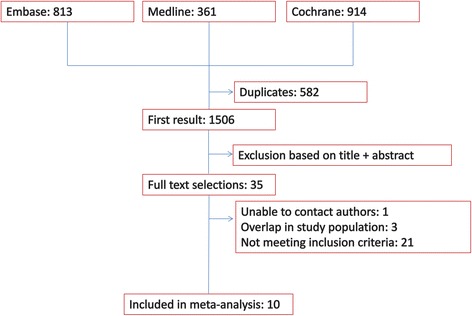
Methods: We systematically searched MEDLINE, EMBASE and the Cochrane Central Register of Controlled Trials to November 2016. Outcomes of interest included ICU and in-hospital mortality, poor neurological outcome, the incidence of hypoglycaemia and infective complications. Data were analysed by pairwise random effects models with secondary analysis of differing levels of conventional glycaemic control.
Results: Ten RCTs, involving 1066 TBI patients were included. Three studies were conducted exclusively in a TBI population, whereas in seven trials, the TBI population was a sub-cohort of a mixed neurocritical or general ICU population. Glycaemic targets with intensive control ranged from 4.4 to 6.7 mmol/L, while conventional targets aimed to keep glucose levels below thresholds of 8.4-12 mmol/L. Conventional versus intensive control showed no association with ICU or hospital mortality (relative risk (RR) (95% CI) 0.93 (0.68-1.27), P = 0.64 and 1.07 (0.84-1.36), P = 0.62, respectively). The risk of a poor neurological outcome was higher with conventional control (RR (95% CI) = 1.10 (1.001-1.24), P = 0.047). However, severe hypoglycaemia occurred less frequently with conventional control (RR (95% CI) = 0.22 (0.09-0.52), P = 0.001).
Conclusions: This meta-analysis of intensive glycaemic control shows no association with reduced mortality in TBI. Intensive glucose control showed a borderline significant reduction in the risk of poor neurological outcome, but markedly increased the risk of hypoglycaemia. These contradictory findings should motivate further research.
Keywords: Glucose control; Glycaemia; Intensive insulin therapy; Systematic review; Traumatic brain injury.
Conflict of interest statement
Authors’ information
Not applicable
Ethics approval and consent to participate
Not applicable
Consent for publication
Not applicable
Competing interests
The authors declare that they have no competing interests.
Publisher’s Note
Springer Nature remains neutral with regard to jurisdictional claims in published maps and institutional affiliations.
Figures


Comment in
-
Effect of intensive glycaemic control on moderate hypoglycaemia and ICU length of stay in severe traumatic brain injury.Crit Care. 2018 May 23;22(1):134. doi: 10.1186/s13054-018-2046-5. Crit Care. 2018. PMID: 29792219 Free PMC article. No abstract available.
References
Publication types
MeSH terms
Substances
Grants and funding
LinkOut - more resources
Full Text Sources
Other Literature Sources
Medical
