


Stuck in a State of Inattention? Functional Hyperconnectivity as an Indicator of Disturbed Intrinsic Brain Dynamics in Adolescents With Concussion: A Pilot Study
- PMID: 29357675
- PMCID: PMC5784460
- DOI: 10.1177/1759091417753802
Stuck in a State of Inattention? Functional Hyperconnectivity as an Indicator of Disturbed Intrinsic Brain Dynamics in Adolescents With Concussion: A Pilot Study
Abstract
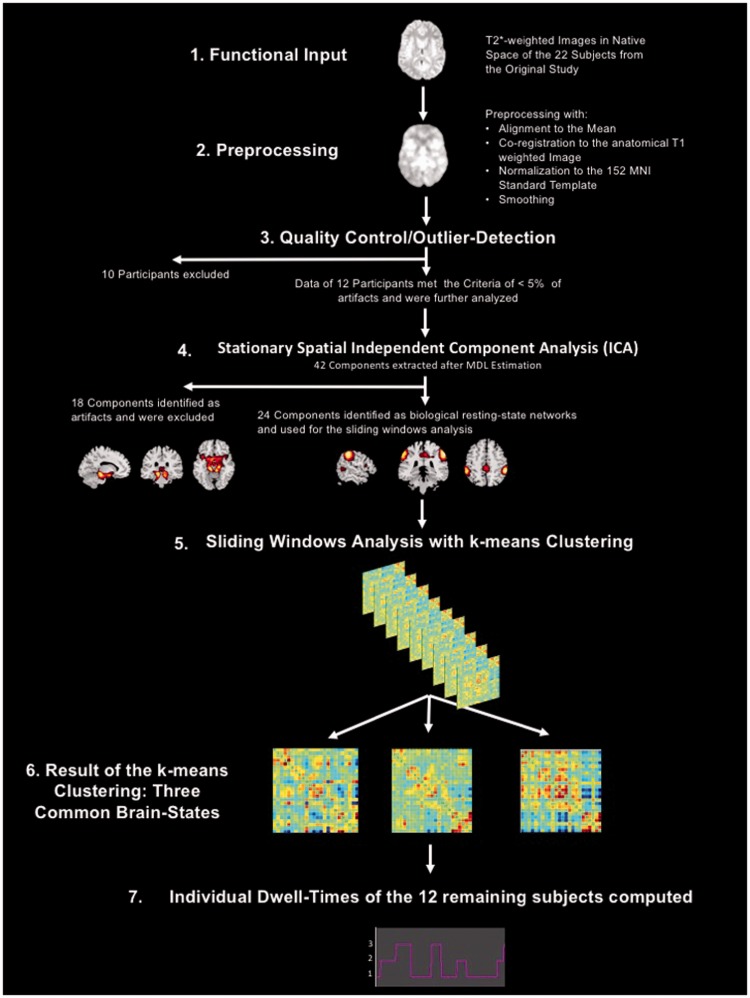
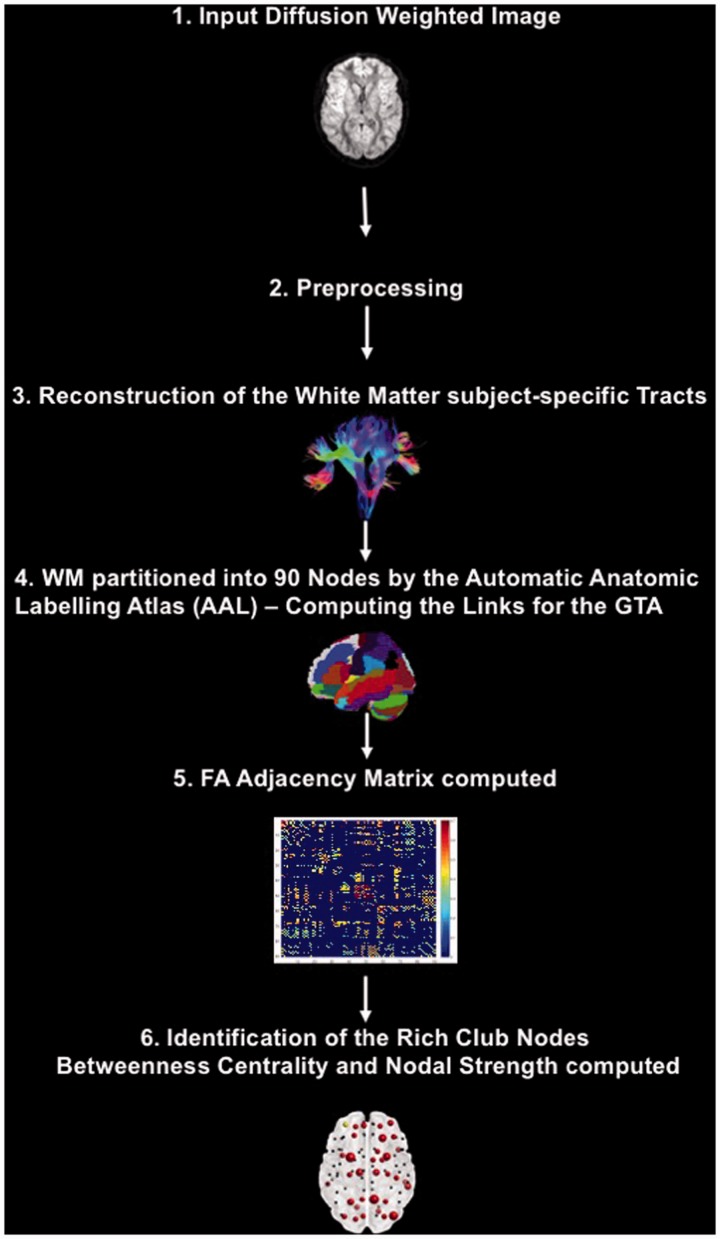
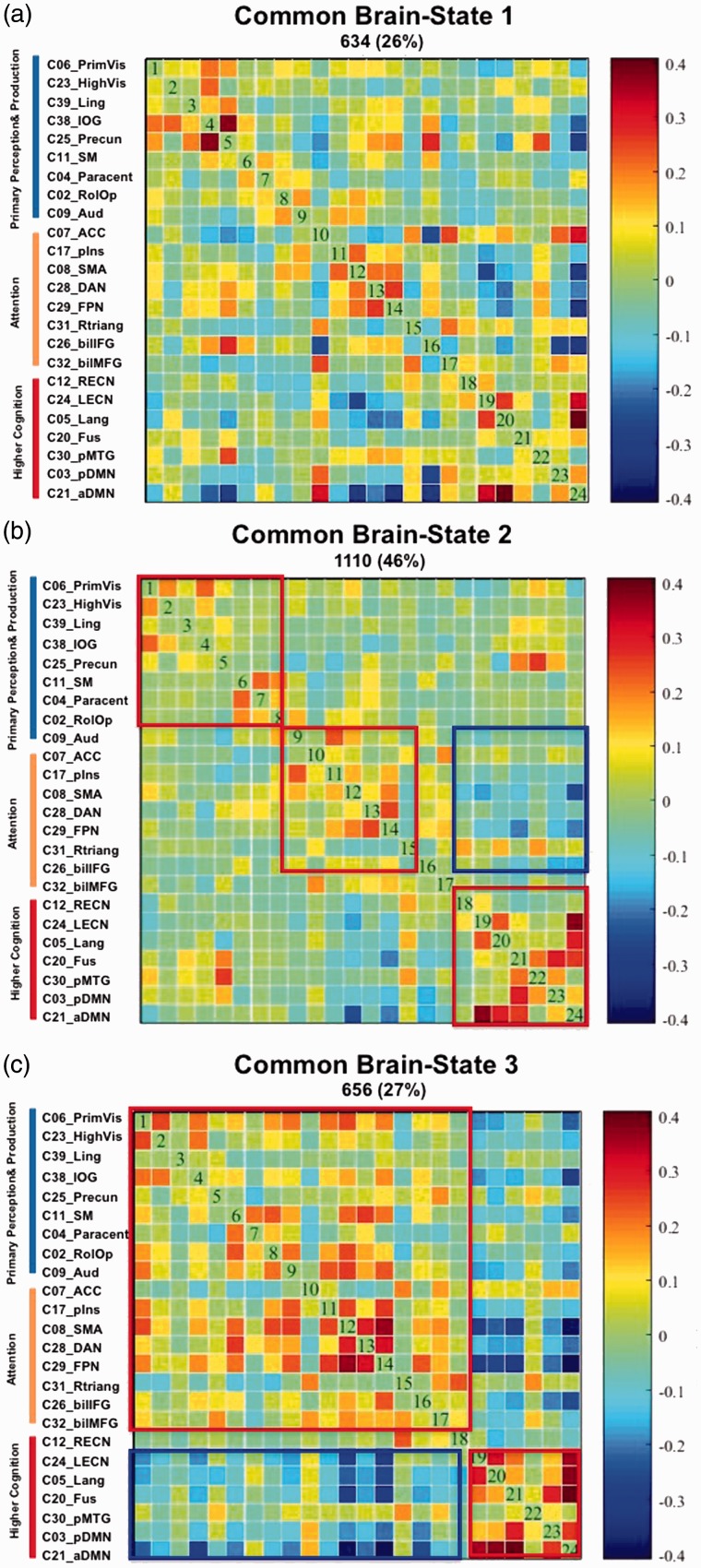
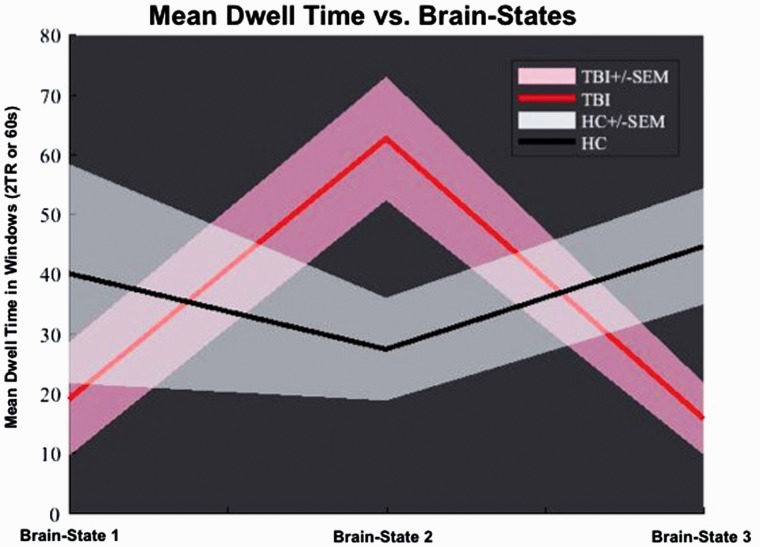
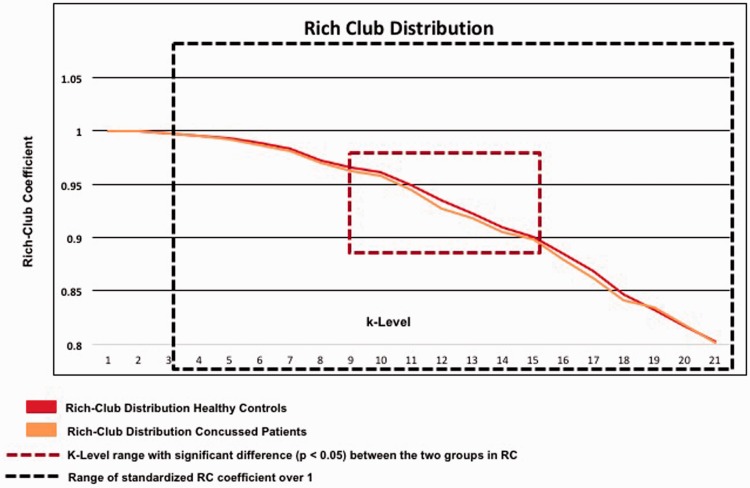
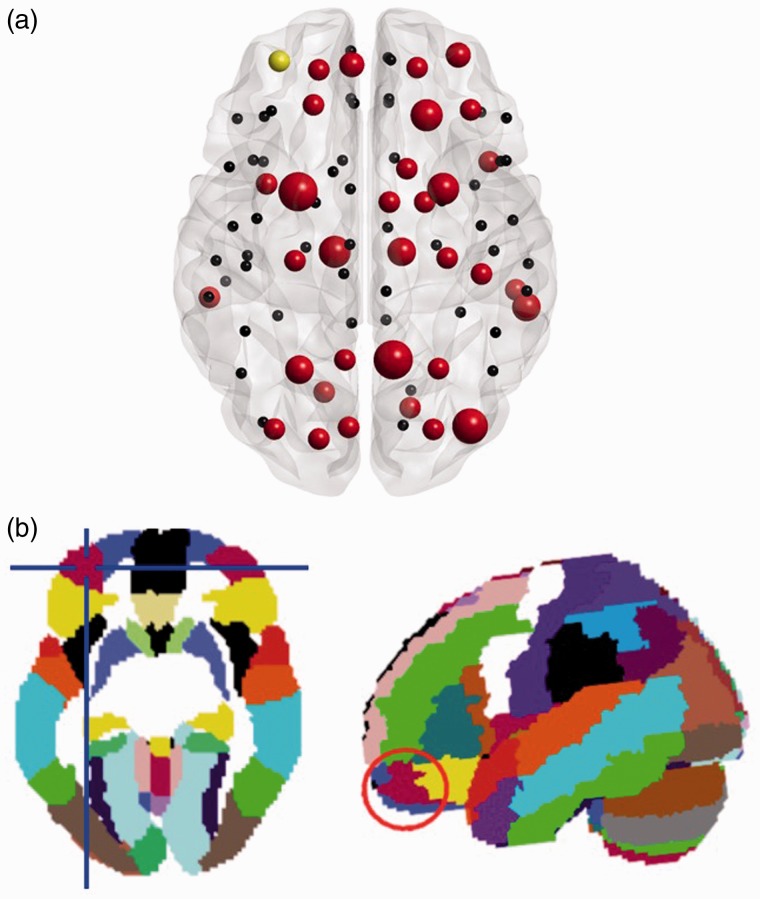
Sports-related concussion in youth is a major public health issue. Evaluating the diffuse and often subtle changes in structure and function that occur in the brain, particularly in this population, remains a significant challenge. The goal of this pilot study was to evaluate the relationship between the intrinsic dynamics of the brain using resting-state functional magnetic resonance imaging (rs-fMRI) and relate these findings to structural brain correlates from diffusion tensor imaging in a group of adolescents with sports-related concussions ( n = 6) and a group of healthy adolescent athletes ( n = 6). We analyzed rs-fMRI data using a sliding windows approach and related the functional findings to structural brain correlates by applying graph theory analysis to the diffusion tensor imaging data. Within the resting-state condition, we extracted three separate brain states in both groups. Our analysis revealed that the brain dynamics in healthy adolescents was characterized by a dynamic pattern, shifting equally between three brain states; however, in adolescents with concussion, the pattern was more static with a longer time spent in one brain state. Importantly, this lack of dynamic flexibility in the concussed group was associated with increased nodal strength in the left middle frontal gyrus, suggesting reorganization in a region related to attention. This preliminary report shows that both the intrinsic brain dynamics and structural organization are altered in networks related to attention in adolescents with concussion. This first report in adolescents will be used to inform future studies in a larger cohort.
Keywords: adolescents; attention; concussion; intrinsic dynamics; multimodal magnetic resonance imaging; networks; rich club.
Figures
References
-
- Anderson V., Spencer-Smith M., Leventer R., Coleman L., Anderson P., Williams J., Greenham M., Jacobs R. (2009) Childhood brain insult: Can age at insult help us predict outcome? Brain A J Neurol 132: 45–56. - PubMed
-
- Ashburner J. (2007) A fast diffeomorphic image registration algorithm. Neuroimage 38: 95–113. - PubMed
-
- Barker-Collo S., Jones K., Theadom A., Sarkey N., Dowell A., McPherson K., Ameratunga S., Dudley M., Te Ao B., Feigin V. (2015) Neuropsychological outcome and its correlates in the first year after adult mild traumatic brain injury: A population-based New Zealand study. Brain Inj 29(13–14): 1604–1616. - PubMed
-
- Barlow K. M., Crawford S., Stevenson A., Sandhu S. S., Belanger F., Dewey D. (2010) Epidemiology of postconcussion syndrome in pediatric mild traumatic brain injury. Pediatrics 126: e374–e381. - PubMed
Publication types
MeSH terms
Substances
LinkOut - more resources
Full Text Sources
Other Literature Sources
Medical
