


Microbial community assembly in wild populations of the fruit fly Drosophila melanogaster
- PMID: 29358735
- PMCID: PMC5864213
- DOI: 10.1038/s41396-017-0020-x
Microbial community assembly in wild populations of the fruit fly Drosophila melanogaster
Abstract
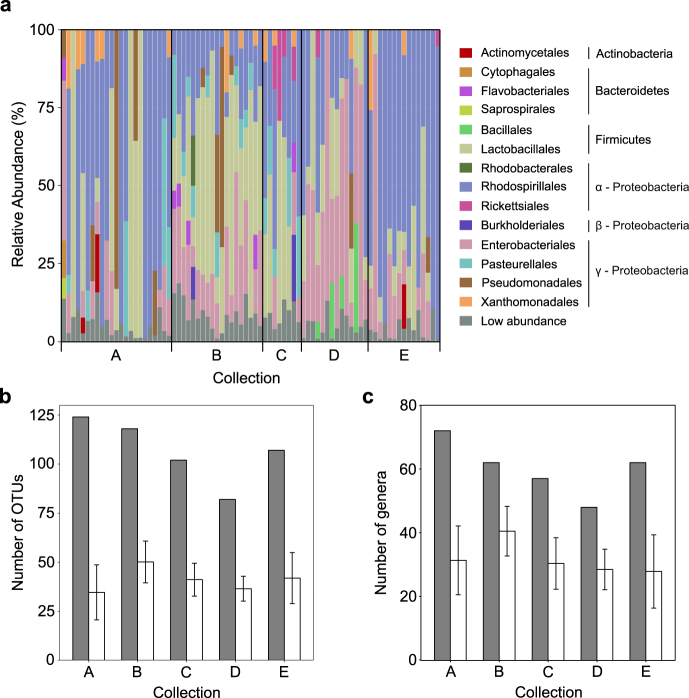
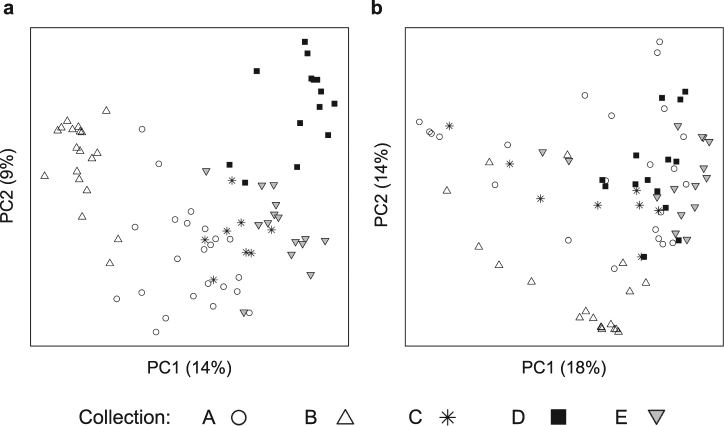
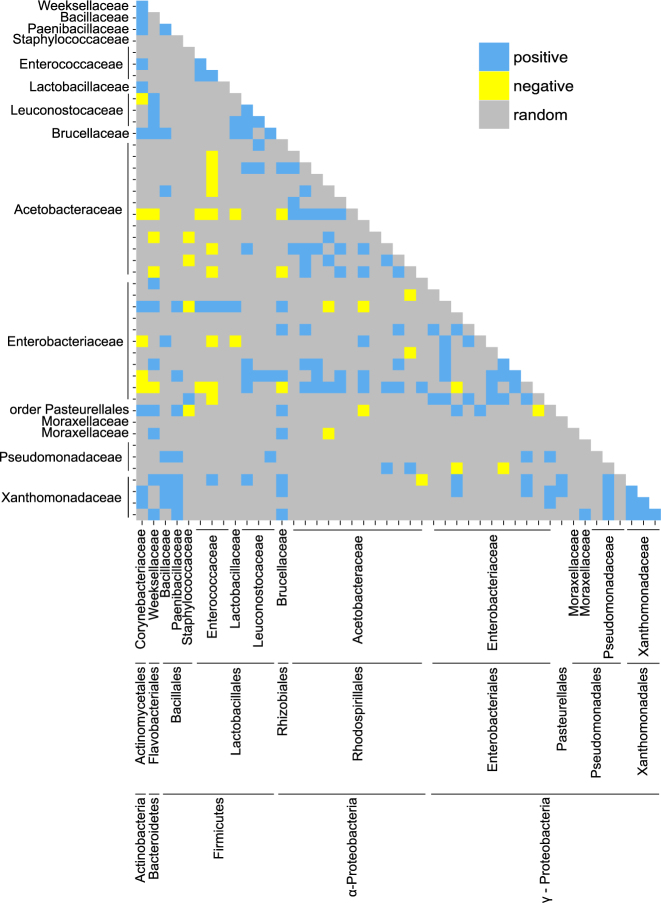
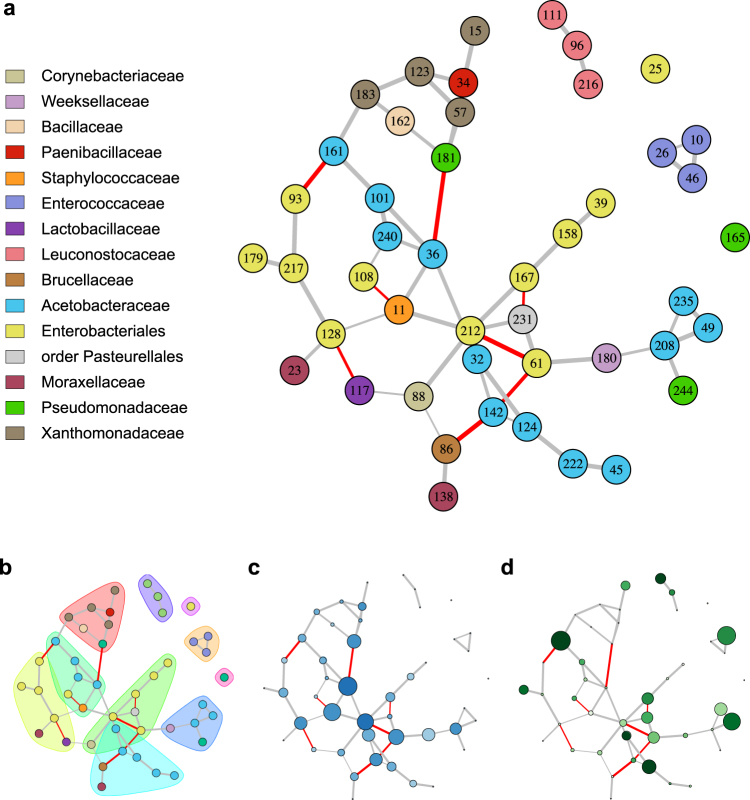
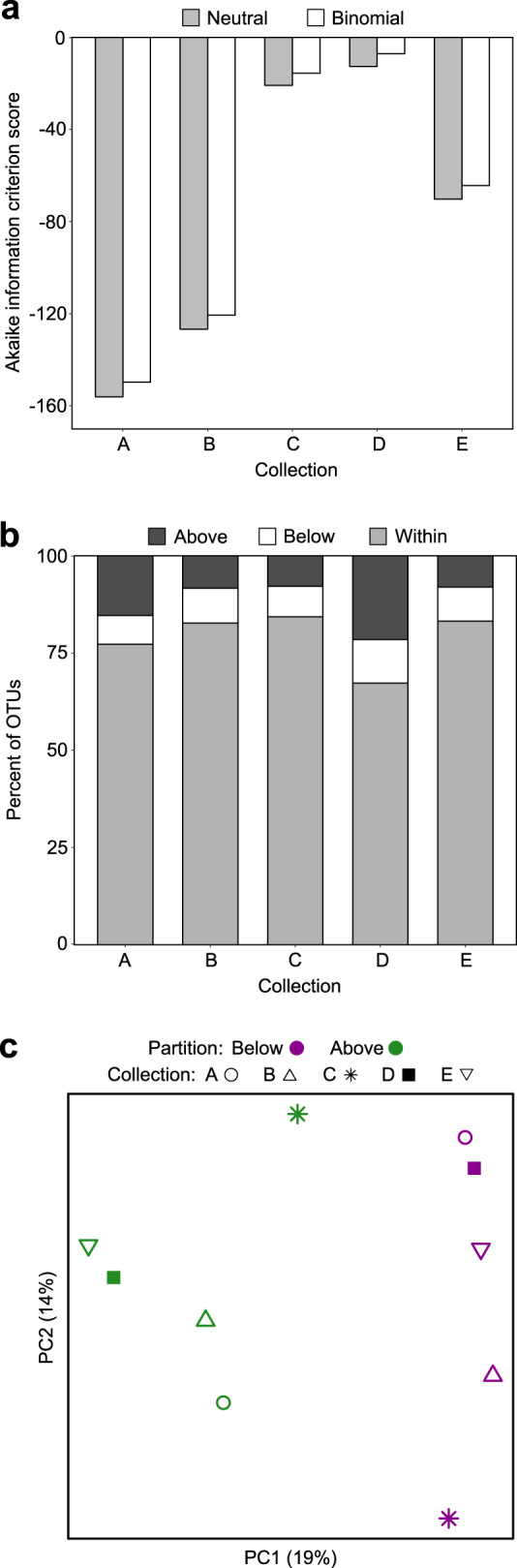
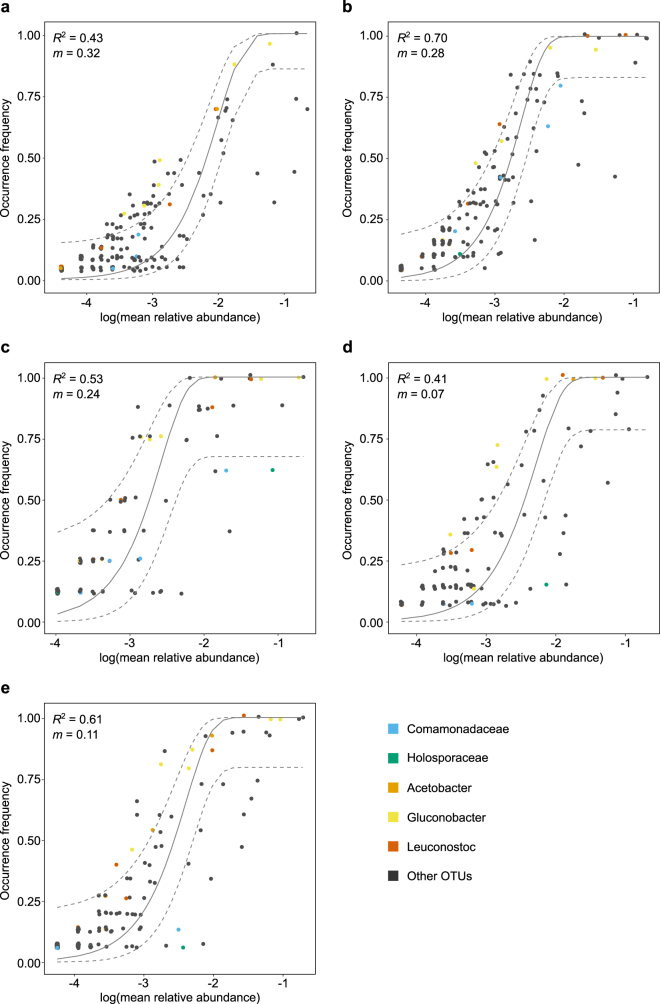
Animals are routinely colonized by microorganisms. Despite many studies documenting the microbial taxa associated with animals, the pattern and ecological determinants of among-animal variation in microbial communities are poorly understood. This study quantified the bacterial communities associated with natural populations of Drosophila melanogaster. Across five collections, each fly bore 16-78 OTUs, predominantly of the Acetobacteraceae, Lactobacillaceae, and Enterobacteriaceae. Positive relationships, mostly among related OTUs, dominated both the significant co-occurrences and co-association networks among bacteria, and OTUs with important network positions were generally of intermediate abundance and prevalence. The prevalence of most OTUs was well predicted by a neutral model suggesting that ecological drift and passive dispersal contribute significantly to microbiome composition. However, some Acetobacteraceae and Lactobacillaceae were present in more flies than predicted, indicative of superior among-fly dispersal. These taxa may be well-adapted to the Drosophila habitat from the perspective of dispersal as the principal benefit of the association to the microbial partners. Taken together, these patterns indicate that both stochastic processes and deterministic processes relating to the differential capacity for persistence in the host habitat and transmission between hosts contribute to bacterial community assembly in Drosophila melanogaster.
Conflict of interest statement
The authors declare that they have no conflict of interest.
Figures
References
Publication types
MeSH terms
LinkOut - more resources
Full Text Sources
Other Literature Sources
Molecular Biology Databases
