


PD-L1 and Emerging Biomarkers in Immune Checkpoint Blockade Therapy
- PMID: 29360727
- PMCID: PMC5830145
- DOI: 10.1097/PPO.0000000000000301
PD-L1 and Emerging Biomarkers in Immune Checkpoint Blockade Therapy
Abstract
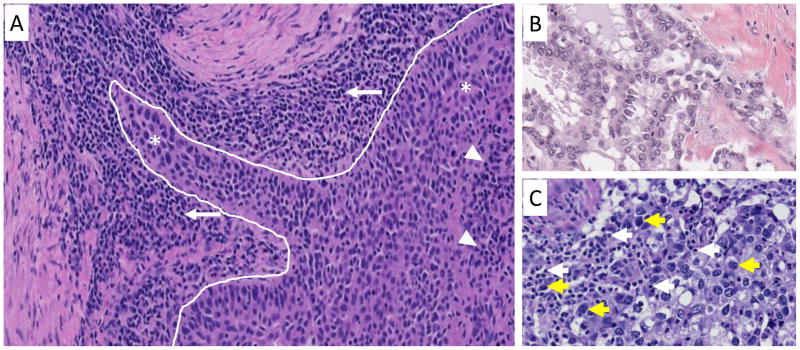
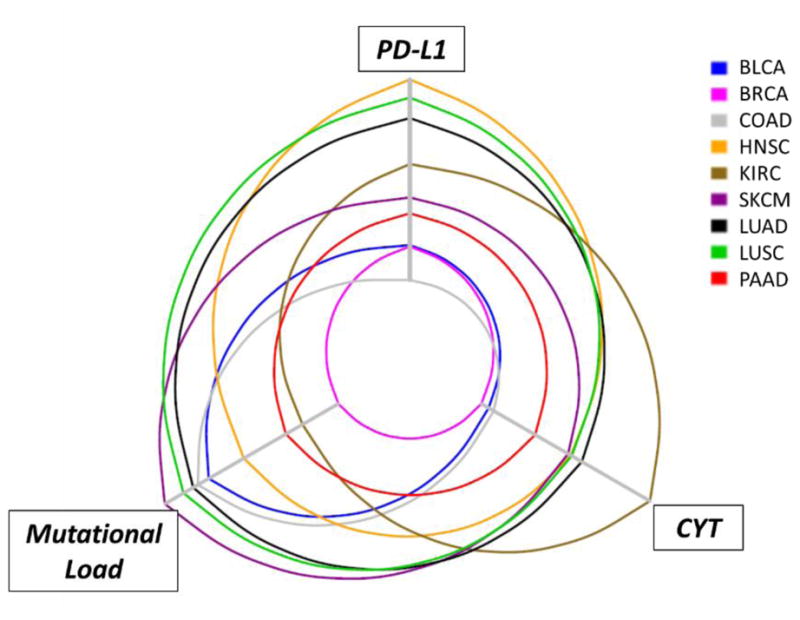
PD-L1 checkpoint blockade is revolutionizing cancer therapy, and biomarkers capable of predicting which patients are most likely to respond are highly desired. The detection of PD-L1 protein expression by immunohistochemistry can enrich for response to anti-PD-(L)1 blockade in a variety of tumor types, but is not absolute. Limitations of current commercial PD-L1 immunohistochemical (IHC) assays and improvements anticipated in next-generation PD-L1 testing are reviewed. Assessment of tumor-infiltrating lymphocytes in conjunction with PD-L1 testing could improve specificity by distinguishing adaptive (interferon γ driven and cytotoxic T-lymphocyte associated) from constitutive (non-immune mediated) expression. The presence of a high tumor mutational burden also enriches for response to therapy, and early data indicate that this may provide additive predictive value beyond PD-L1 IHC alone. As candidate biomarkers continue to emerge, the pathologist's assessment of the tumor microenvironment on hematoxylin-eosin stain combined with PD-L1 IHC remains a rapid and robust way to evaluate the tumor-immune dynamic.
Figures
References
-
- Marrone KA, Ying W, Naidoo J. Immune-Related Adverse Events From Immune Checkpoint Inhibitors. Clin Pharmacol Ther. 2016;100:242–51. - PubMed
Publication types
MeSH terms
Substances
Grants and funding
LinkOut - more resources
Full Text Sources
Other Literature Sources
Research Materials
