


Broad adsorption of sepsis-related PAMP and DAMP molecules, mycotoxins, and cytokines from whole blood using CytoSorb® sorbent porous polymer beads
- PMID: 29370247
- PMCID: PMC5784931
- DOI: 10.1371/journal.pone.0191676
Broad adsorption of sepsis-related PAMP and DAMP molecules, mycotoxins, and cytokines from whole blood using CytoSorb® sorbent porous polymer beads
Abstract
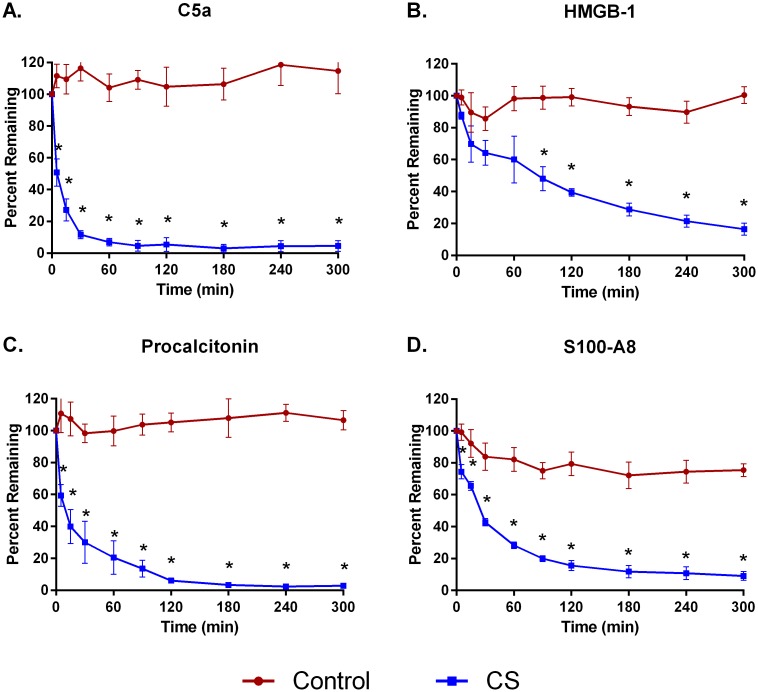
Objective: Sepsis is defined as life-threatening organ dysfunction caused by a dysregulated host response to infection. In sepsis and septic shock, pathogen-associated molecular pattern molecules (PAMPS), such as bacterial exotoxins, cause direct cellular damage and/or trigger an immune response in the host often leading to excessive cytokine production, a maladaptive systemic inflammatory response syndrome response (SIRS), and tissue damage that releases DAMPs, such as activated complement and HMGB-1, into the bloodstream causing further organ injury. Cytokine reduction using extracorporeal blood filtration has been correlated with improvement in survival and clinical outcomes in experimental studies and clinical reports, but the ability of this technology to reduce a broader range of inflammatory mediators has not been well-described. This study quantifies the size-selective adsorption of a wide range of sepsis-related inflammatory bacterial and fungal PAMPs, DAMPs and cytokines, in a single compartment, in vitro whole blood recirculation system.
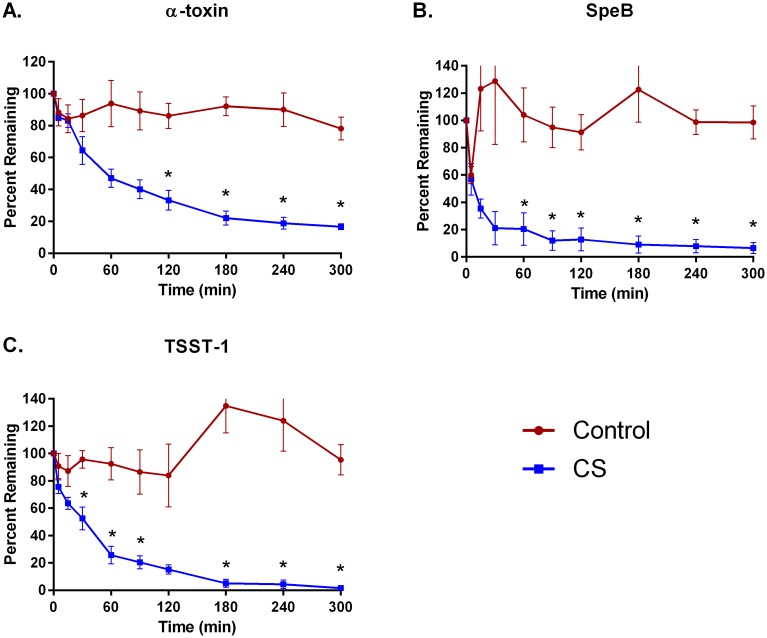
Measurements and main results: Purified proteins were added to whole blood at clinically relevant concentrations and recirculated through a device filled with CytoSorb® hemoadsorbent polymer beads (CytoSorbents Corporation, USA) or control (no bead) device in vitro. Except for the TNF-α trimer, hemoadsorption through porous polymer bead devices reduced the levels of a broad spectrum of cytokines, DAMPS, PAMPS and mycotoxins by more than 50 percent.
Conclusions: This study demonstrates that CytoSorb® hemoadsorbent polymer beads efficiently remove a broad spectrum of toxic PAMPS and DAMPS from blood providing an additional means of reducing the uncontrolled inflammatory cascade that contributes to a maladaptive SIRS response, organ dysfunction and death in patients with a broad range of life-threatening inflammatory conditions such as sepsis, toxic shock syndrome, necrotizing fasciitis, and other severe inflammatory conditions.
Conflict of interest statement
Figures


References
-
- Singer M, Deutschman CS, Seymour CW, Shankar-Hari M, Annane D, Bauer M, et al. The Third International Consensus Definitions for Sepsis and Septic Shock (Sepsis-3). JAMA. 2016;315(8):801–10. doi: 10.1001/jama.2016.0287 - DOI - PMC - PubMed
-
- Bianchi ME. DAMPs, PAMPs and alarmins: all we need to know about danger. J Leukoc Biol. 2007;81(1):1–5. doi: 10.1189/jlb.0306164 - DOI - PubMed
-
- Wiersinga WJ, Leopold SJ, Cranendonk DR, van der Poll T. Host innate immune responses to sepsis. Virulence. 2014;5(1):36–44. doi: 10.4161/viru.25436 - DOI - PMC - PubMed
-
- Ito T. PAMPs and DAMPs as triggers for DIC. J Intensive Care. 2014;2(1):67 doi: 10.1186/s40560-014-0065-0 - DOI - PMC - PubMed
-
- Kellum JA, Kong L, Fink MP, Weissfeld LA, Yealy DM, Pinsky MR, et al. Understanding the inflammatory cytokine response in pneumonia and sepsis: results of the Genetic and Inflammatory Markers of Sepsis (GenIMS) Study. Arch Intern Med. 2007;167(15):1655–63. doi: 10.1001/archinte.167.15.1655 - DOI - PMC - PubMed
Publication types
MeSH terms
Substances
LinkOut - more resources
Full Text Sources
Other Literature Sources
Medical
