


The prevalence of human papillomavirus in pediatric tonsils: a systematic review of the literature
- PMID: 29378664
- PMCID: PMC5789580
- DOI: 10.1186/s40463-018-0255-1
The prevalence of human papillomavirus in pediatric tonsils: a systematic review of the literature
Abstract
Background: HPV-related head and neck cancer rates have been increasing in recent years, with the tonsils being the most commonly affected site. However, the current rate of HPV infection in the pediatric population remains poorly defined. The objective of this study was to systematically review and evaluate the prevalence and distribution of HPV in the tonsils of pediatric patients undergoing routine tonsillectomy.
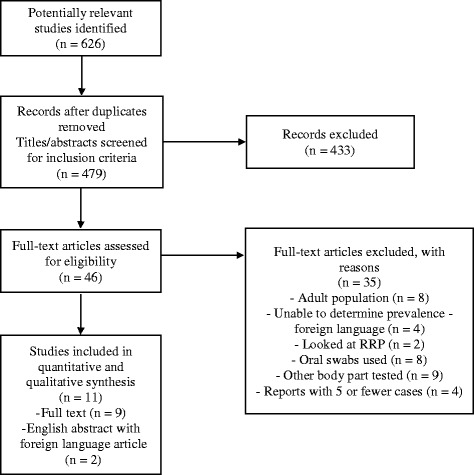
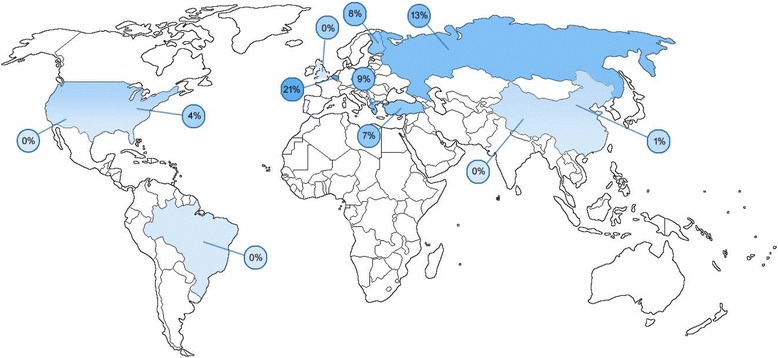
Methods and results: The literature was searched using PubMed, EMBASE, Scopus, CINAHL, Cochrane Library, and ProQuest Dissertations & Theses Global databases (inception to December 2017) by two independent review authors. Inclusion criteria included articles which evaluated the prevalence of HPV in a pediatric cohort without known warts or recurrent respiratory papillomatosis, those which used tonsil biopsy specimens for analysis, and those with six or more subjects and clear outcomes reported. Eleven studies met the inclusion criteria. Using the Oxford Clinical Evidence-based Medicine (OCEBM) guidelines, two reviewers appraised the level of evidence of each study, extracted data, and resolved discrepancies by consensus. The systematic review identified 11 articles (n = 2520). Seven studies detected HPV in the subject population, with prevalence values ranging from 0 to 21%. The level of evidence for all included studies was OCEBM Level 3.
Conclusions: HPV may be present in pediatric tonsillectomy specimens; however, the largest included study demonstrated a prevalence of 0%. Future testing should be performed using methods with high sensitivities and specificities, such as reverse transcript real-time PCR or digital droplet PCR.
Keywords: HPV; Human papillomavirus; Pediatric; Tonsils.
Conflict of interest statement
Ethics approval and consent to participate
Not applicable.
Consent for publication
Not applicable.
Competing interests
The authors declare that they have no competing interests.
Publisher’s Note
Springer Nature remains neutral with regard to jurisdictional claims in published maps and institutional affiliations.
Figures
References
Publication types
MeSH terms
LinkOut - more resources
Full Text Sources
Other Literature Sources
Medical
Miscellaneous
