


Similar neural responses predict friendship
- PMID: 29382820
- PMCID: PMC5790806
- DOI: 10.1038/s41467-017-02722-7
Similar neural responses predict friendship
Abstract
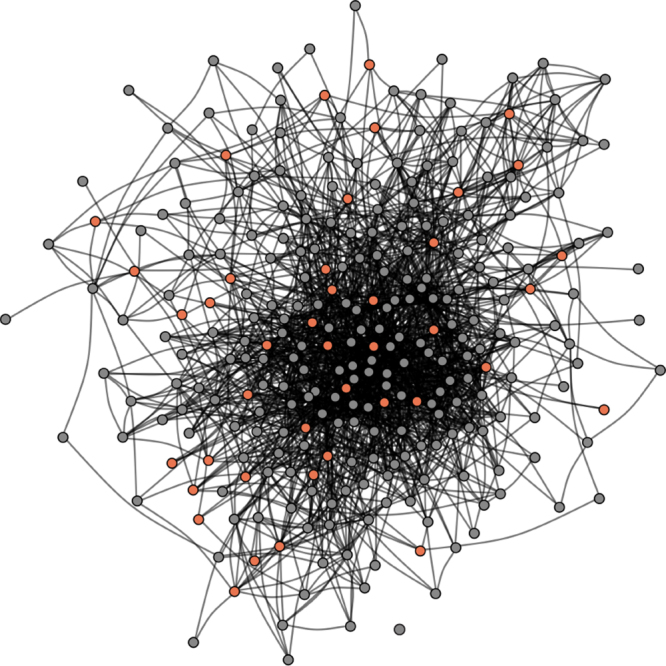
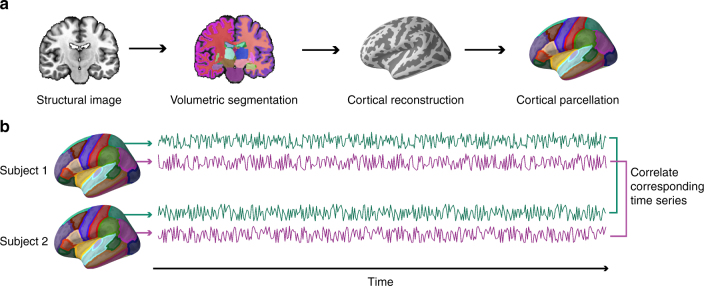
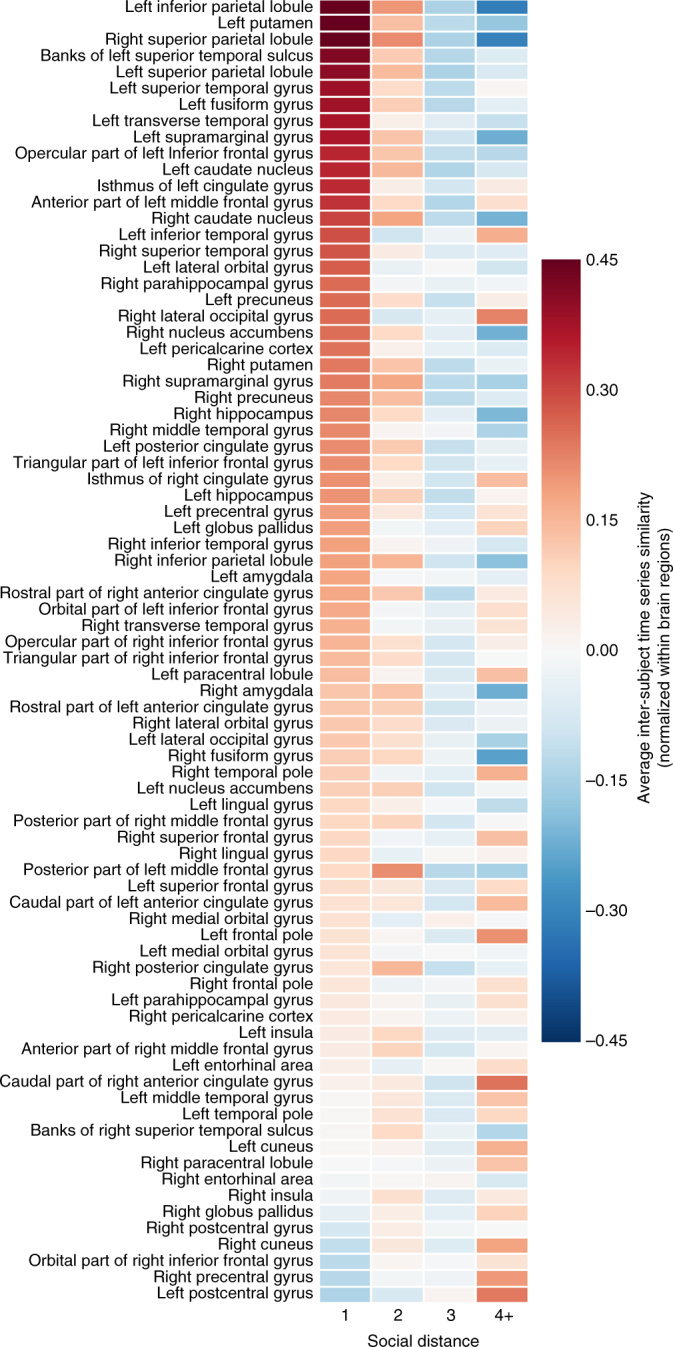
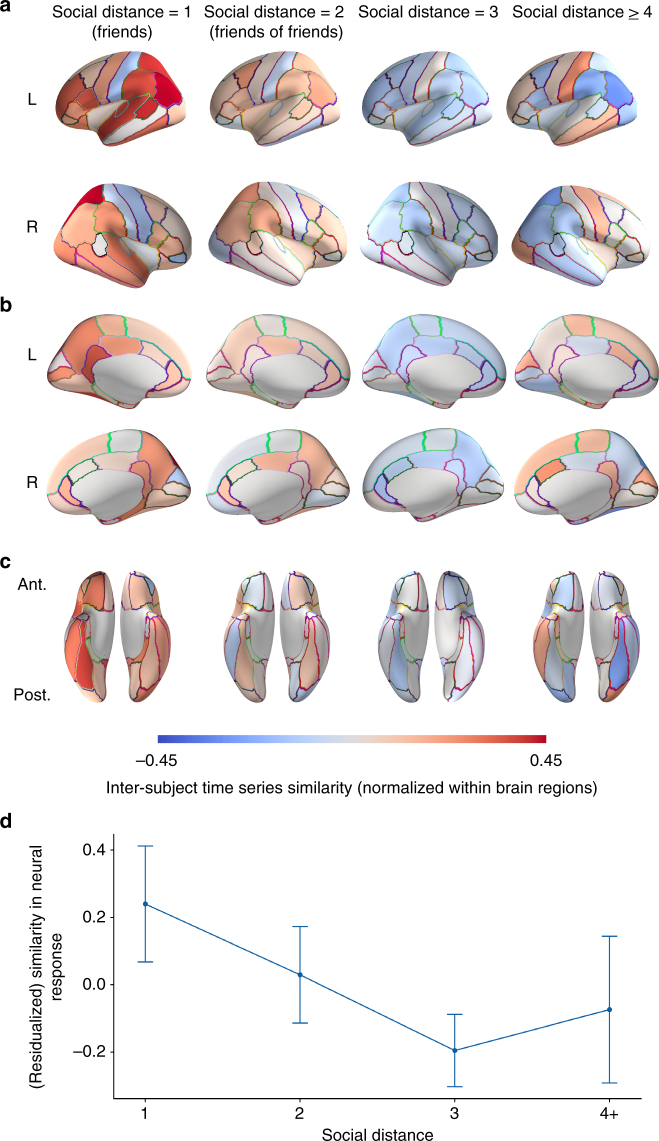
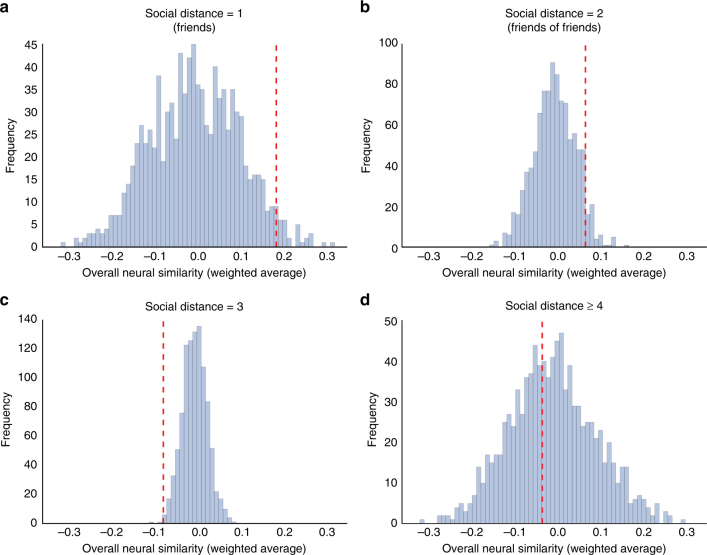
Human social networks are overwhelmingly homophilous: individuals tend to befriend others who are similar to them in terms of a range of physical attributes (e.g., age, gender). Do similarities among friends reflect deeper similarities in how we perceive, interpret, and respond to the world? To test whether friendship, and more generally, social network proximity, is associated with increased similarity of real-time mental responding, we used functional magnetic resonance imaging to scan subjects' brains during free viewing of naturalistic movies. Here we show evidence for neural homophily: neural responses when viewing audiovisual movies are exceptionally similar among friends, and that similarity decreases with increasing distance in a real-world social network. These results suggest that we are exceptionally similar to our friends in how we perceive and respond to the world around us, which has implications for interpersonal influence and attraction.
Conflict of interest statement
The authors declare no competing financial interests.
Figures
Comment in
-
Birds of a Feather Synchronize Together.Trends Cogn Sci. 2018 May;22(5):371-372. doi: 10.1016/j.tics.2018.03.001. Epub 2018 Mar 13. Trends Cogn Sci. 2018. PMID: 29548666 No abstract available.
References
-
- Titelman, G. Random House Dictionary of Popular Proverbs and Sayings (Random House, New York, 1996).
-
- McPherson M, Smith-Lovin L, Cook JM. Birds of a feather: homophily in social networks. Annu. Rev. Sociol. 2001;27:415–444. doi: 10.1146/annurev.soc.27.1.415. - DOI
Publication types
MeSH terms
LinkOut - more resources
Full Text Sources
Other Literature Sources
Medical
Molecular Biology Databases
