


Preliminary Characterization, Antioxidant and Hepatoprotective Activities of Polysaccharides from Taishan Pinus massoniana Pollen
- PMID: 29385683
- PMCID: PMC6017409
- DOI: 10.3390/molecules23020281
Preliminary Characterization, Antioxidant and Hepatoprotective Activities of Polysaccharides from Taishan Pinus massoniana Pollen
Abstract
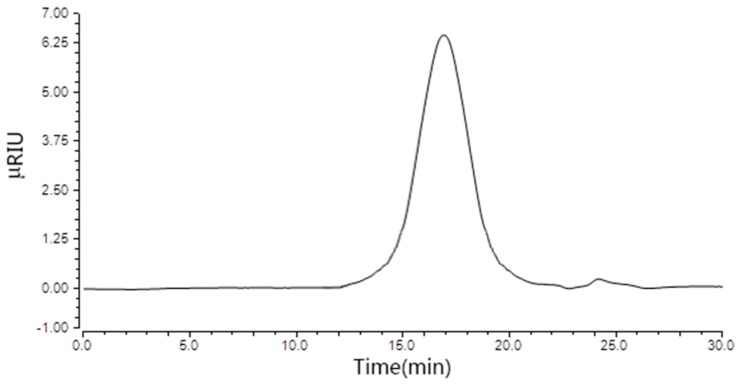
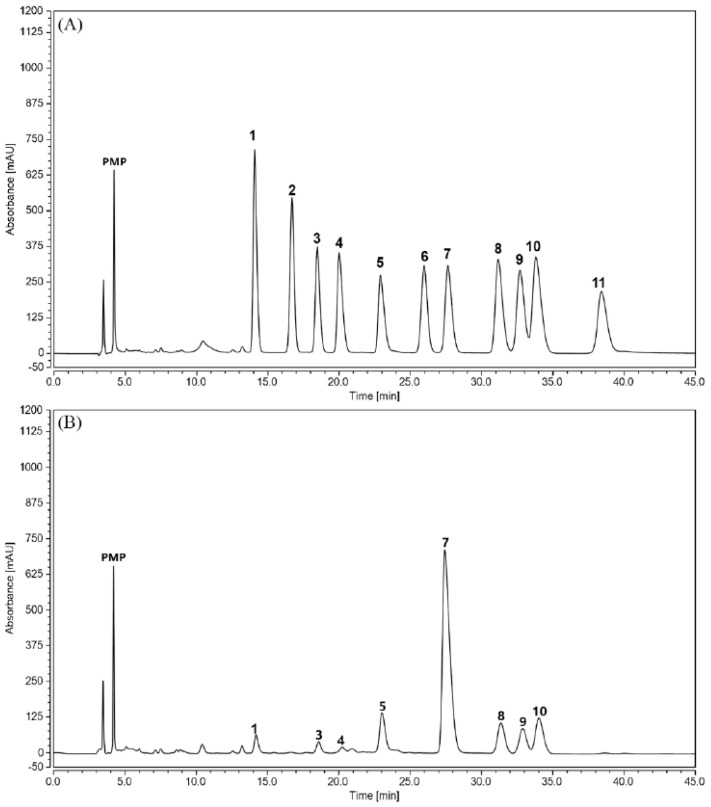
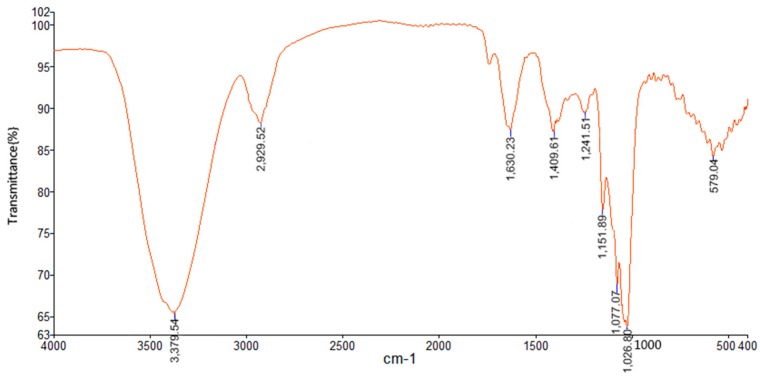
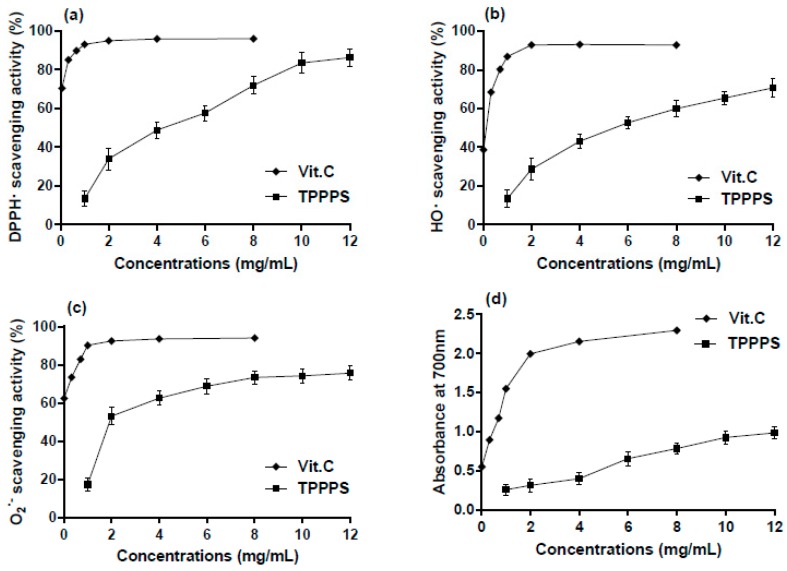
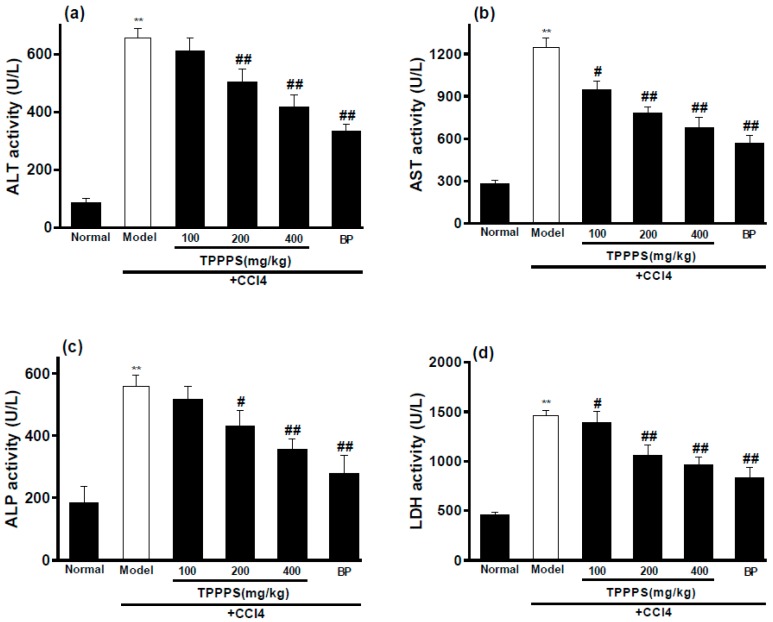
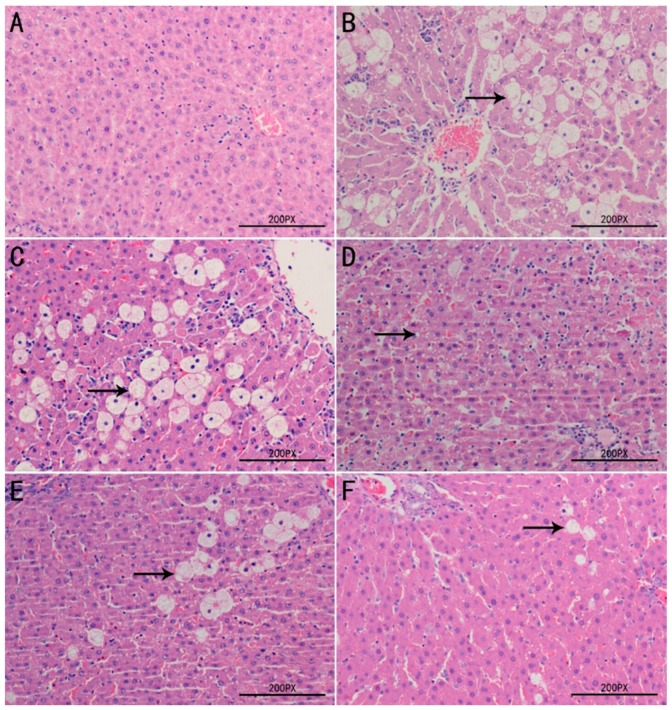
The objectives of the present study were to characterize the chemical composition, antioxidant activity and hepatoprotective effect of the polysaccharides from Taishan Pinus massoniana pollen (TPPPS). HPLC analysis showed that TPPPS was an acidic heteropolysaccharide with glucose and arabinose as the main component monosaccharides (79.6%, molar percentage). Fourier transform-infrared spectroscopy (FT-IR) analysis indicated that the spectra of TPPPS displayed infrared absorption peaks characteristic of polysaccharides. In in vitro assays TPPPS exhibited different degrees of dose-dependent antioxidant activities , and this was further verified by suppression of CCl₄-induced oxidative stress in the liver with three tested doses of TPPPS (100, 200, and 400 mg/kg bw) in rats. Pretreatment with TPPPS significantly decreased the levels of alanine aminotransferase (AST), aspartate aminotransferase (ALT), alkaline phosphatase (ALP), lactic dehydrogenase (LDH) and malondialdehyde (MDA) against CCl₄ injuries, and elevated the activities of superoxide dismutase (SOD) as well as glutathione peroxidase (GSH-Px). Histopathological observation further confirmed that TPPPS could protect the liver tissues from CCl₄-induced histological alternation. These results suggest that TPPPS has strong antioxidant activities and significant protective effect against acute hepatotoxicity induced by CCl₄. The hepatoprotective effect may partly be related to its free radical scavenging effect, increasing antioxidant activity and inhibiting lipid peroxidation.
Keywords: Taishan Pinus massoniana pollen; antioxidant activity; characterization; hepatoprotective effect; polysaccharides.
Conflict of interest statement
The authors declare no conflict of interest.
Figures
References
-
- Del Valle L.G. Oxidative stress in aging: The oretical outcomes and clinical evidences in humans. Biomed. Aging Pathol. 2011;1:1–7. doi: 10.1016/j.biomag.2011.03.001. - DOI
-
- Bruck R., Aeed H., Avni Y., Shirin H., Matas Z., Shahmurov M., Avinoach I., Zozulya G., Weizman N., Hochman A. Melatonin inhibits nuclear factor kappa B activation and oxidative stress and protects against thioacetamide induced liver damage in rats. J. Hepatol. 2004;40:86–93. doi: 10.1016/S0168-8278(03)00504-X. - DOI - PubMed
MeSH terms
Substances
LinkOut - more resources
Full Text Sources
Other Literature Sources
Medical
