


MRI findings of complications related to previous uterine scars
- PMID: 29387735
- PMCID: PMC5790820
- DOI: 10.1016/j.ejro.2018.01.001
MRI findings of complications related to previous uterine scars
Erratum in
-
Erratum regarding missing Declaration of Competing Interest statements in previously published articles.Eur J Radiol Open. 2020 Dec 17;8:100308. doi: 10.1016/j.ejro.2020.100308. eCollection 2021. Eur J Radiol Open. 2020. PMID: 33364261 Free PMC article.
Abstract
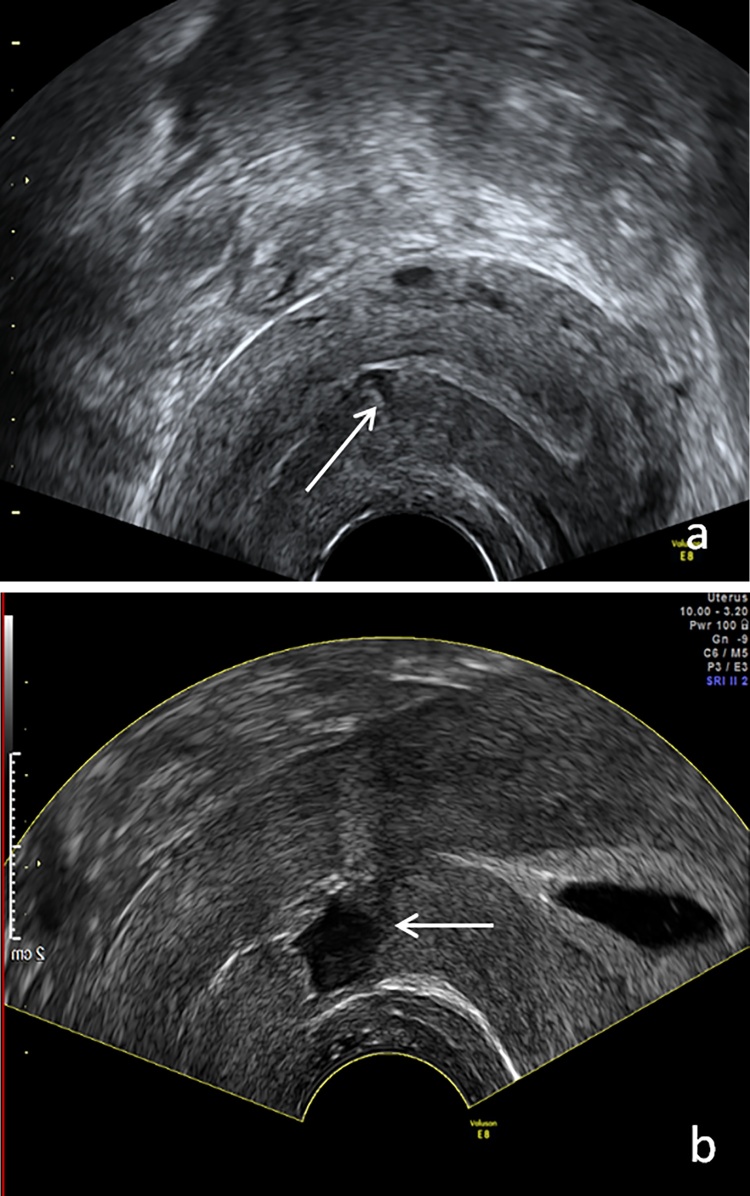
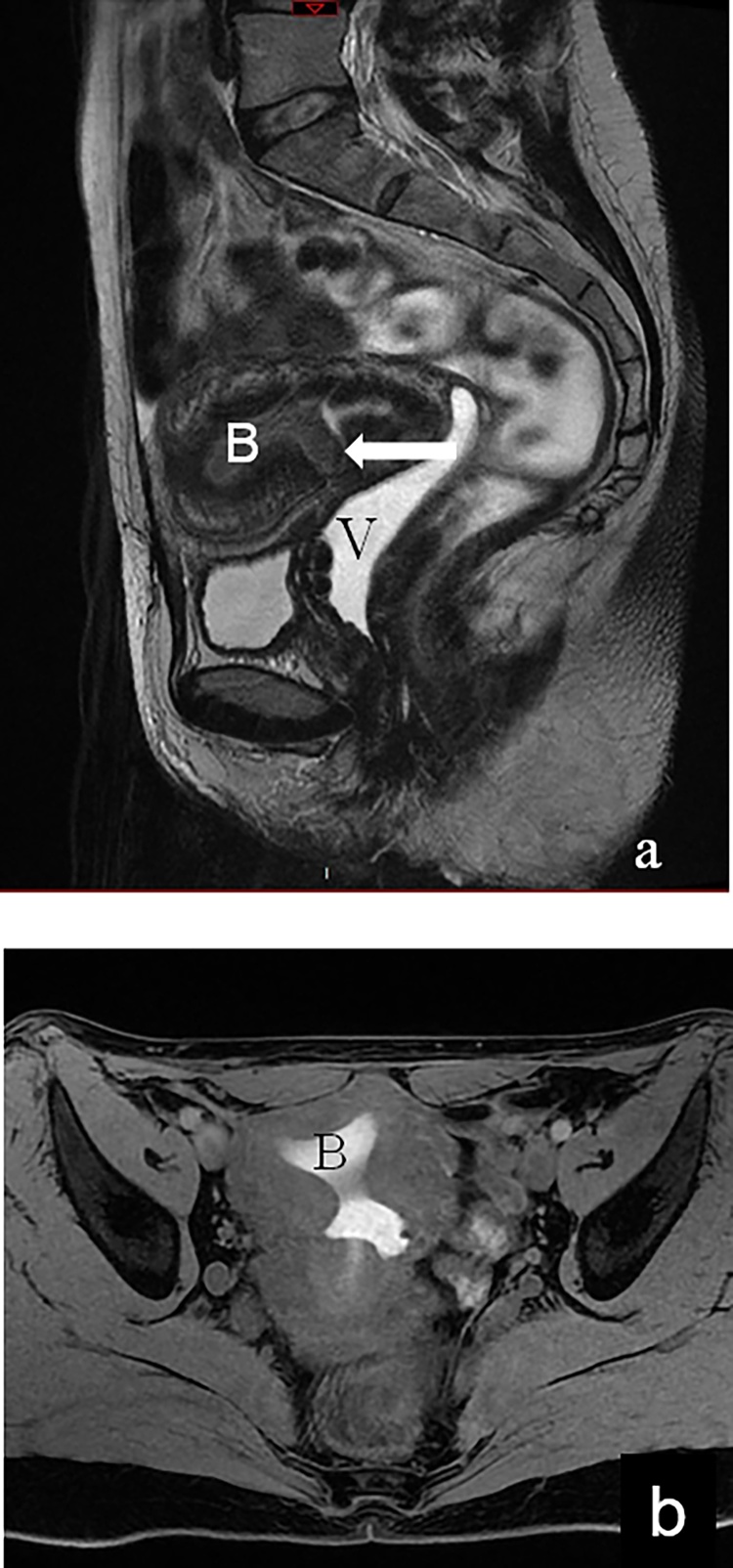
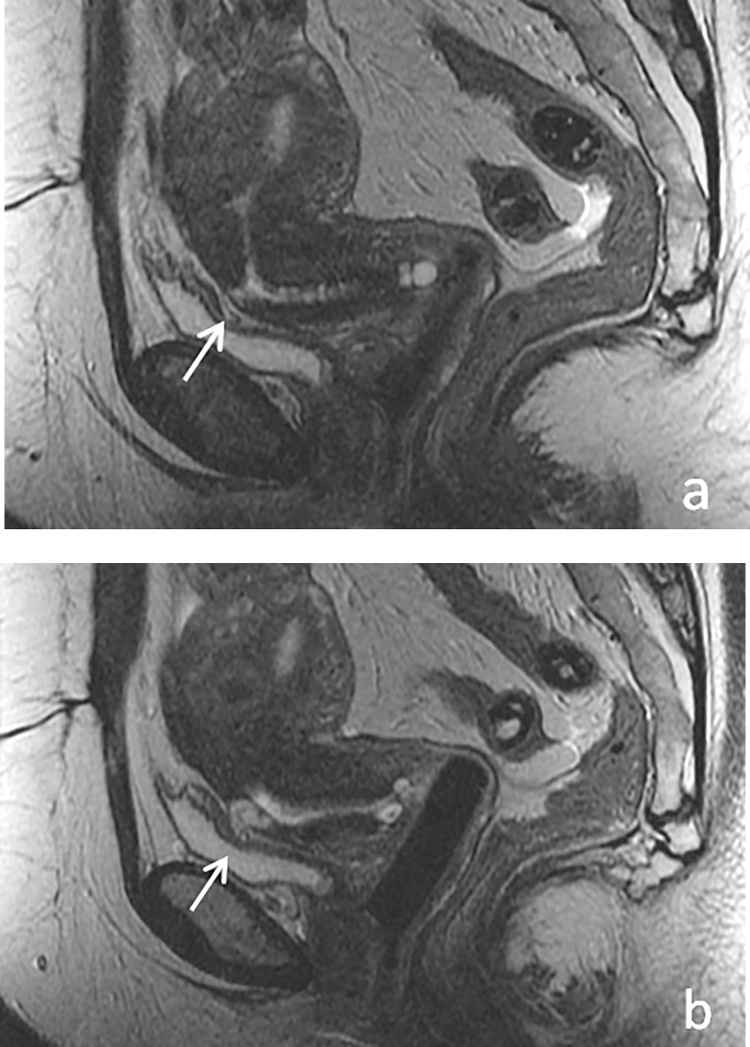
Although the World Health Organization suggests 10-15% as the adequate cesarean delivery rate to assure optimal prognosis for mother and children, cesarean rates have continuously increased worldwide over the last three decades, even in primiparous women. Moreover, uterine scars after myomectomies, complications of obstetrical interventions and more recently, after fetal surgery, are often observed. This review article describes the most commonly seen complications related to prior uterine scars and discusses their imaging findings, with emphasis on the increasing role of Magnetic Resonance Imaging for diagnosis.
Keywords: Cesarean delivery; Ectopic pregnancy; MRI; MRI, Magnetic resonance imaging; Placental anomalies; TVUS, Transvaginal ultrasound; US; US, Ultrasound; WHO, World Health Organization.
Figures





References
-
- WHO statement on caesarean section rates. World Health Organization human reproduction programme. Reprod. Health Matters. 2015;23(May (45)):149–150. - PubMed
-
- MacDorman M.F., Menacker F., Declercq E. Cesarean birth in the United States: epidemiology, trends, and outcomes. Clin. Perinatol. 2008;35:293–307. (v) - PubMed
-
- Yuen J., Painter I., Abraham L., Melian M., Denno D.M. A comparison of trends in cesarean delivery in Paraguay between 1995 and 2008. Int. J. Gynaecol. Obstet. 2014;126:265–271. - PubMed
Publication types
LinkOut - more resources
Full Text Sources
Other Literature Sources
