


Comprehensive Screening Links Halogenated Organic Compounds with Testosterone Levels in Male Delphinus delphis from the Southern California Bight
- PMID: 29397698
- PMCID: PMC6301072
- DOI: 10.1021/acs.est.7b04652
Comprehensive Screening Links Halogenated Organic Compounds with Testosterone Levels in Male Delphinus delphis from the Southern California Bight
Abstract
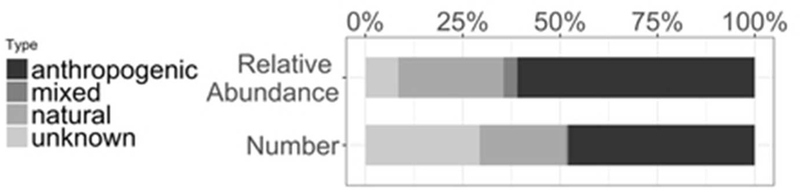
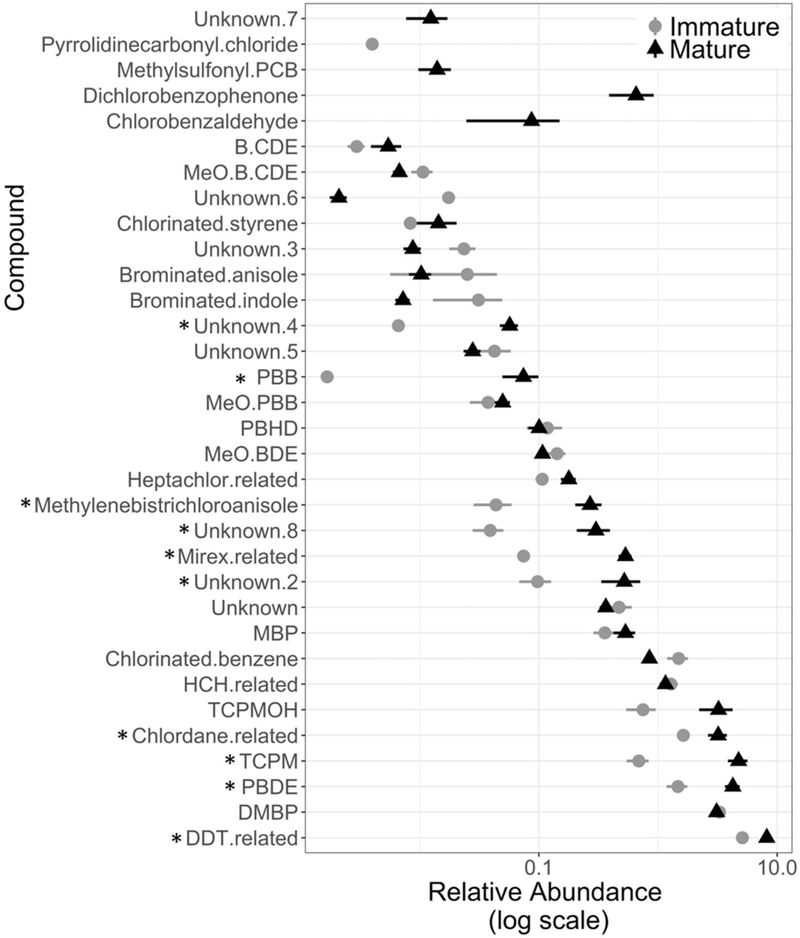
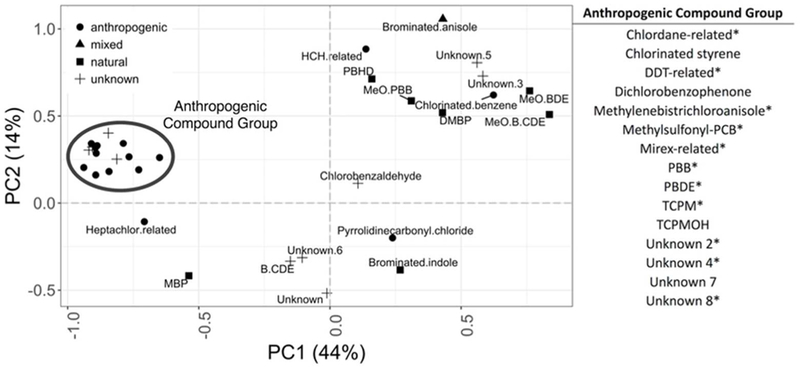
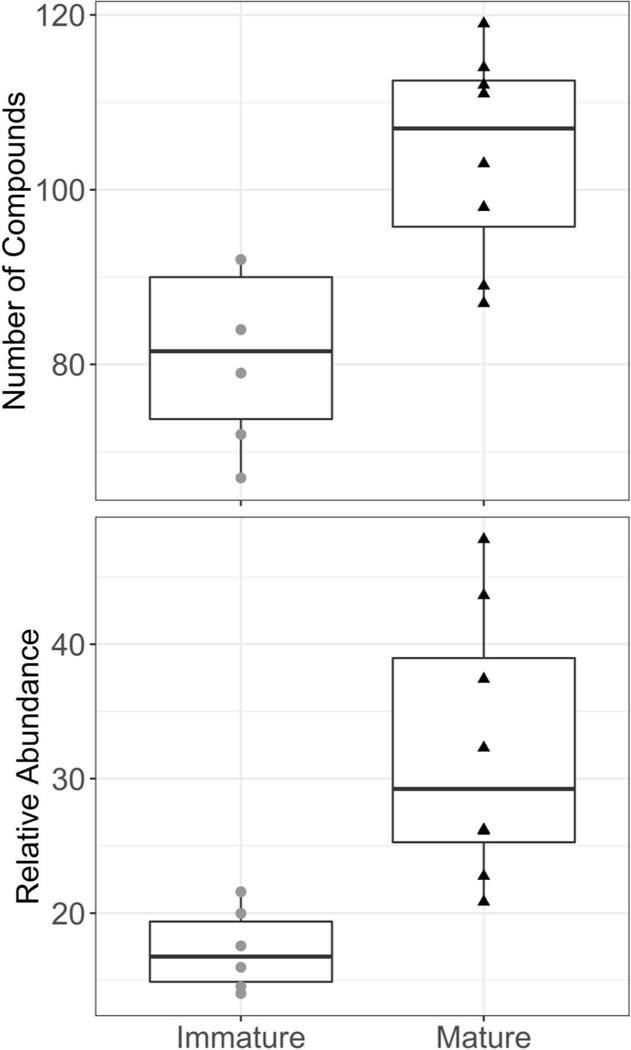
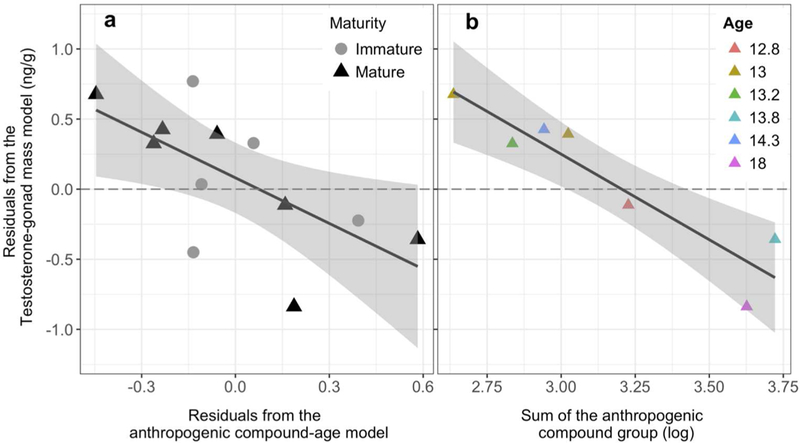
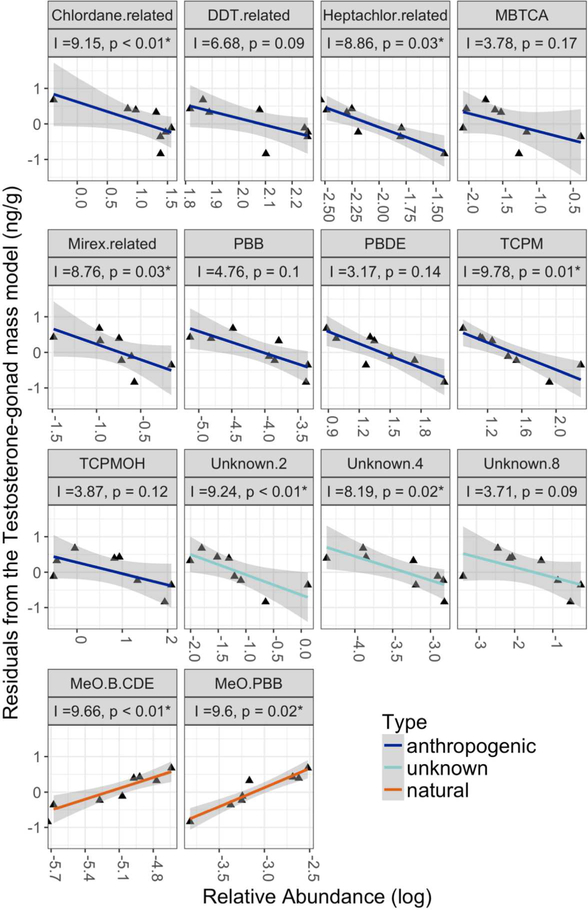
While environmental pollutants have been associated with changes in endocrine health in cetaceans, efforts to link contaminant exposure with hormones have largely been limited to a list of known, targeted contaminants, overlooking minimally characterized or unknown compounds of emerging concern. To address this gap, we analyzed a suite of potential endocrine disrupting halogenated organic compounds (HOCs) in blubber from 16 male short-beaked common dolphins ( Delphinus delphis) with known maturity status collected from fishery bycatch in the Southern California Bight. We employed a suspect screening mass spectrometry-based method to investigate a wide range of HOCs that were previously observed in cetaceans from the same region. Potential endocrine effects were assessed through the measurement of blubber testosterone. We detected 167 HOCs, including 81 with known anthropogenic sources, 49 of unknown origin, and 37 with known natural sources. The sum of 11 anthropogenic and 4 unknown HOC classes were negatively correlated with blubber testosterone. Evidence suggests that elevated anthropogenic HOC load contributes to impaired testosterone production in mature male D. delphis. The application of this integrative analytical approach to cetacean contaminant analysis allows for inference of the biological consequences of accumulation of HOCs and prioritization of compounds for future environmental toxicology research.
Figures
References
-
- Annamalai J; Namasivayam V Endocrine disrupting chemicals in the atmosphere: Their effects on humans and wildlife. Environ. Int 2015, 76, 78–97. - PubMed
-
- Daughton CG Non-regulated water contaminants: emerging research. Environ. Impact Assess. Rev 2004, 24 (7–8), 711–732.
-
- Ross PS Marine Mammals as Sentinels in Ecological Risk. Hum. Ecol. Risk Assess 2000, 6 (1), 29–46.
Publication types
MeSH terms
Substances
Grants and funding
LinkOut - more resources
Full Text Sources
Other Literature Sources
Miscellaneous
