


Determination of sodium hyaluronate in pharmaceutical formulations by HPLC-UV
- PMID: 29403834
- PMCID: PMC5760950
- DOI: 10.1016/j.jpha.2013.02.001
Determination of sodium hyaluronate in pharmaceutical formulations by HPLC-UV
Abstract
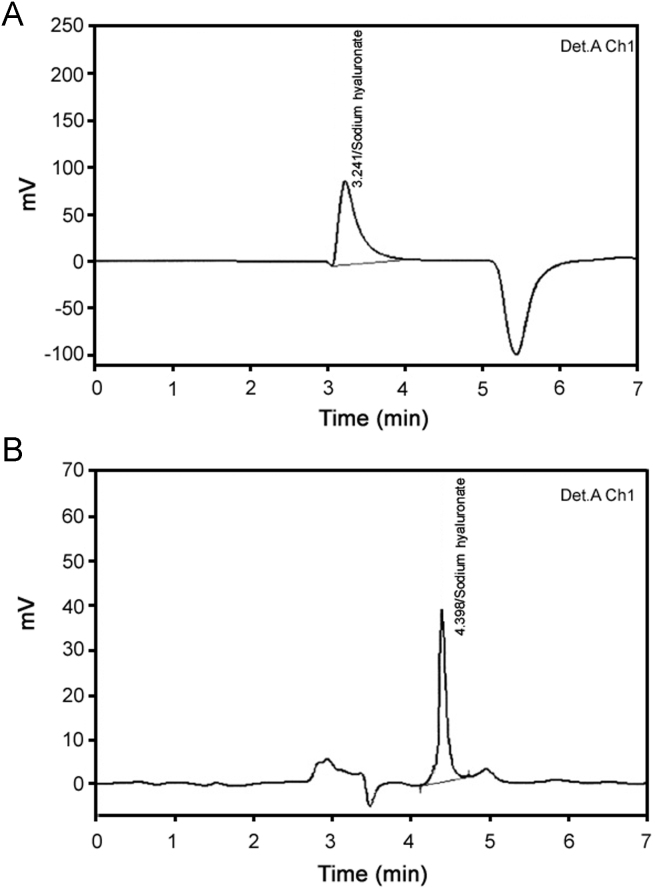
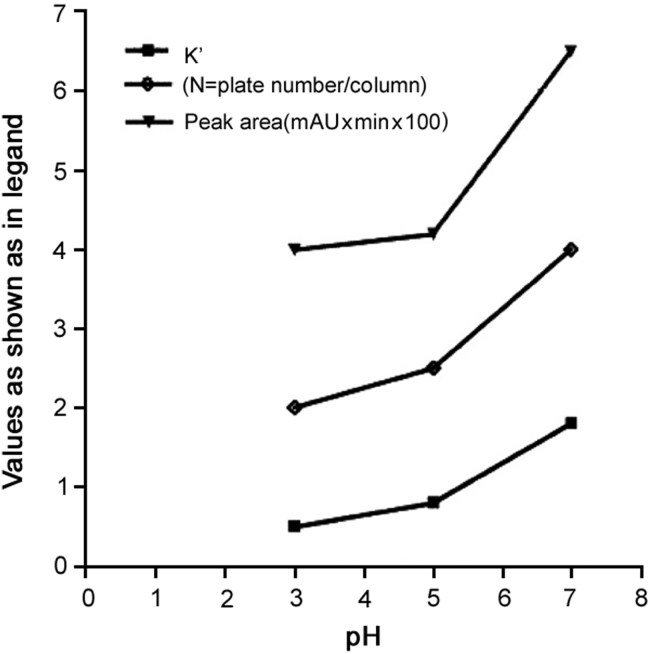
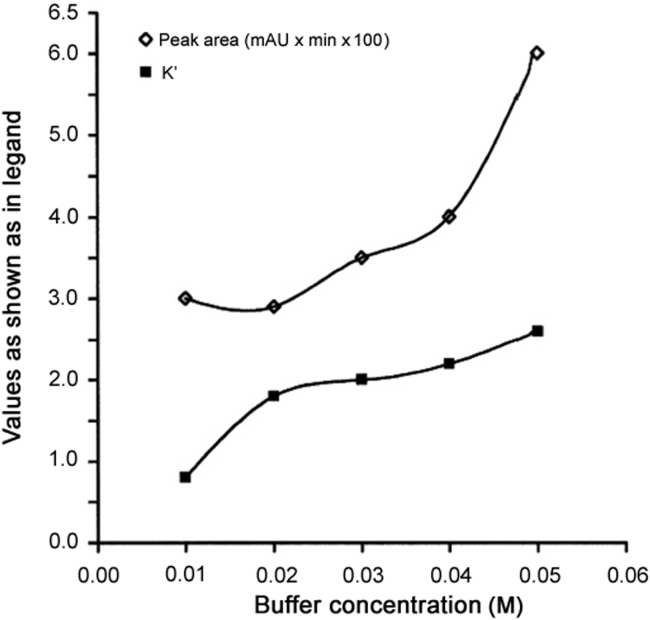
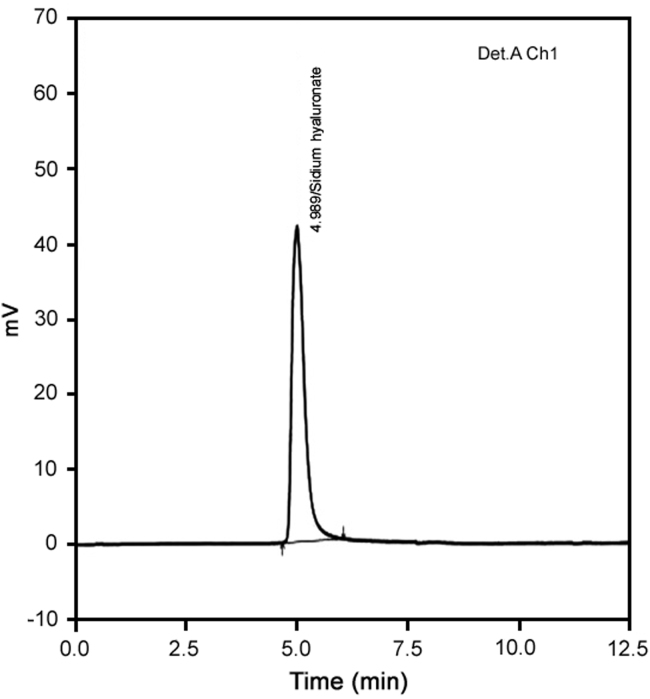
A liquid chromatography (HPLC) method with UV detection was developed for determination of sodium hyaluronate in pharmaceutical formulation. Sodium hyaluronate is a polymer of disaccharides, composed of d-glucuronic acid and d-N-acetylglucosamine, linked via alternating β-1, 4 and β-1, 3 glycosidic bonds. Being a polymer compound it lacks a UV absorbing chromophore. In the absence of a UV absorbing chromophore and highly polar nature of compound, the analysis becomes a major challenge. To overcome these problems a novel method for the determination of sodium hyaluronate was developed and validated based on size exclusion liquid chromatography (SEC) with UV detection. An isocratic mobile phase consisting of buffer 0.05 M potassium dihydrogen phosphate, pH adjusted to 7.0 using potassium hydroxide (10%) was used. Chromatography was carried out at 25 °C on a BioSep SEC S2000, 300 mm×7.8 mm column. The detection was carried out using variable wavelength UV-vis detector set at 205 nm. The compounds were eluted isocratically at a steady flow rate of 1.0 mL/min. Sodium hyaluronate retention time was about 4.9 min with an asymmetry factor of 1.93. A calibration curve was obtained from 1 to 38 g/mL (r>0.9998). Within-day % RSD was 1.0 and between-day % RSD was 1.10. Specificity/selectivity experiments revealed the absence of interference from excipients, recovery from spiked samples for sodium hyaluronate was 99-102. The developed method was applied to the determination of sodium hyaluronate in pharmaceutical drug substance and product.
Keywords: Chromophore; Derivatization; Hyaluronic acid; Size exclusion chromatography; Sodium hyaluronate.
Figures

References
-
- Poulson J.H. Urine and tissue glycosaminoglycan and their interactions. Dan. Med. Bull. 1975;33:75–96. - PubMed
-
- Frasher J.R.E., Laurent T.C., Laurent UBG. Hyaluronan: its nature, distribution, function and turnover. J. Intern. Med. 1997;242:27–33. - PubMed
-
- Sten R. Hyaluronan catabolism: a new metabolic pathway. Eur. J. Cell Biol. 2004;83(7):317–325. - PubMed
-
- Sugahara K., Schwartz N.B., Dorfma A. Biosyntheses of hyaluronic acid by streptococcus. J. Bio. Chem. 1979;254(14):6252–6261. - PubMed
LinkOut - more resources
Full Text Sources
Other Literature Sources
