


Urinary metabolic profiling of asymptomatic acute intermittent porphyria using a rule-mining-based algorithm
- PMID: 29416446
- PMCID: PMC5794841
- DOI: 10.1007/s11306-017-1305-9
Urinary metabolic profiling of asymptomatic acute intermittent porphyria using a rule-mining-based algorithm
Erratum in
-
Correction to: Urinary metabolic profiling of asymptomatic acute intermittent porphyria using a rule-mining-based algorithm.Metabolomics. 2018 Jan 30;14(3):21. doi: 10.1007/s11306-018-1320-5. Metabolomics. 2018. PMID: 30830333 Free PMC article.
Abstract
Introduction: Metabolomic profiling combines Nuclear Magnetic Resonance spectroscopy with supervised statistical analysis that might allow to better understanding the mechanisms of a disease.
Objectives: In this study, the urinary metabolic profiling of individuals with porphyrias was performed to predict different types of disease, and to propose new pathophysiological hypotheses.
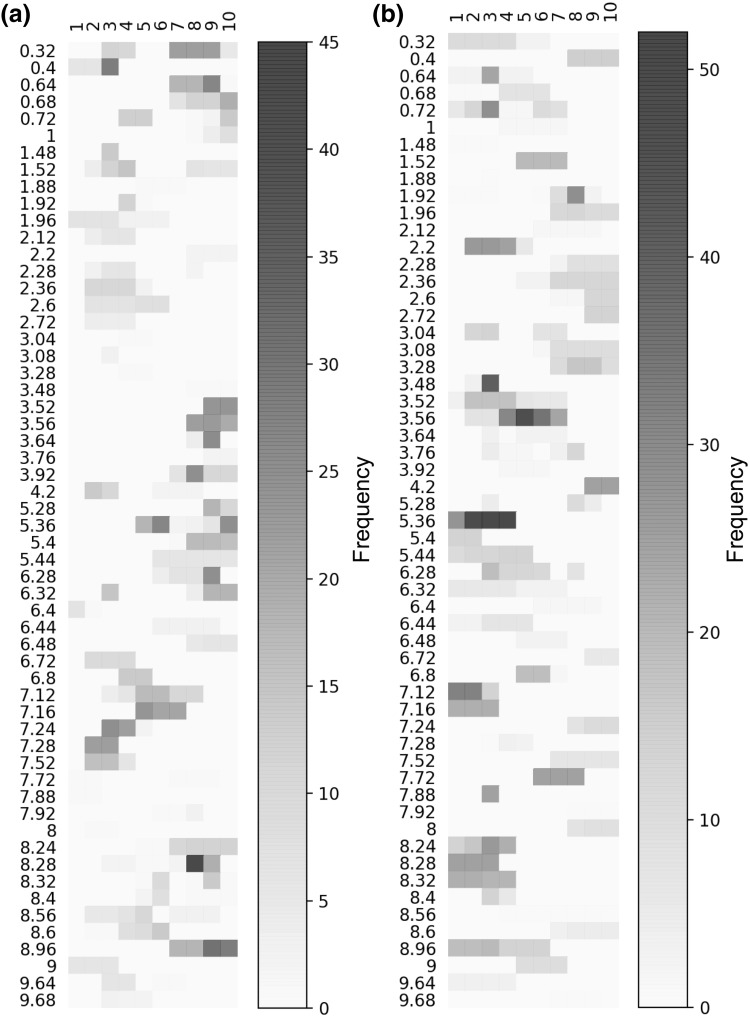
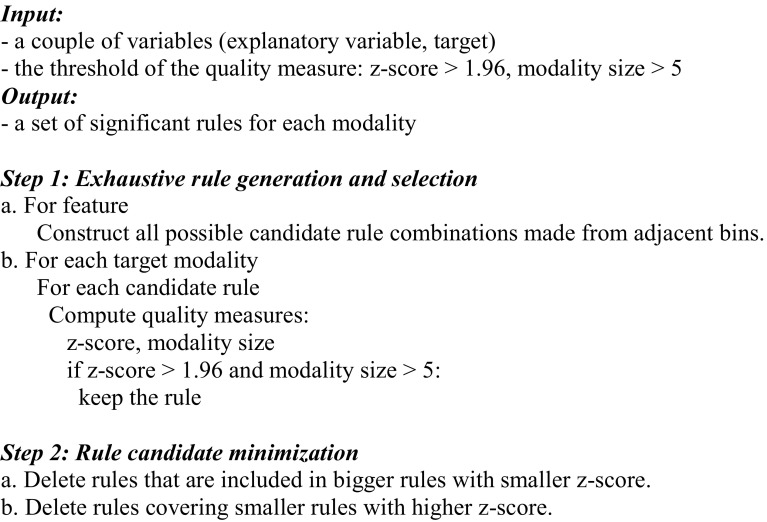
Methods: Urine 1H-NMR spectra of 73 patients with asymptomatic acute intermittent porphyria (aAIP) and familial or sporadic porphyria cutanea tarda (f/sPCT) were compared using a supervised rule-mining algorithm. NMR spectrum buckets bins, corresponding to rules, were extracted and a logistic regression was trained.
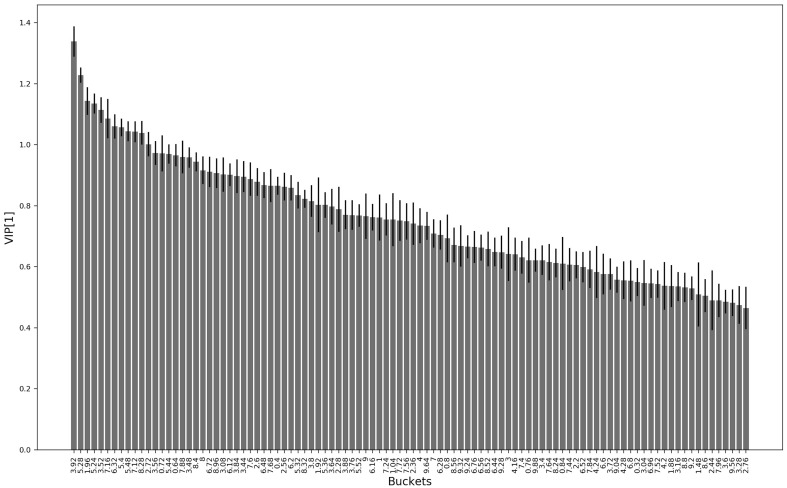
Results: Our rule-mining algorithm generated results were consistent with those obtained using partial least square discriminant analysis (PLS-DA) and the predictive performance of the model was significant. Buckets that were identified by the algorithm corresponded to metabolites involved in glycolysis and energy-conversion pathways, notably acetate, citrate, and pyruvate, which were found in higher concentrations in the urines of aAIP compared with PCT patients. Metabolic profiling did not discriminate sPCT from fPCT patients.
Conclusion: These results suggest that metabolic reprogramming occurs in aAIP individuals, even in the absence of overt symptoms, and supports the relationship that occur between heme synthesis and mitochondrial energetic metabolism.
Keywords: 1H NMR; Biomarkers; Porphyrias; Subgroup discovery.
Conflict of interest statement
Compliance with ethical standardsAll of the authors declare that they have no conflict of interest.The Paris Diderot University ethics committee (Patients Protection Committee) approved the study design in accordance with the World Medical Association ethical principles for medical research involving human subjects and its subsequent amendments (R162-16-7 and 145-15-4 French ethical agreement).Informed consent was obtained from all individual participants included in the study.
Figures
References
-
- Bonkovsky HL, Healey JF, Lourie AN, Gerron GG. Intravenous heme-albumin in acute intermittent porphyria: Evidence for repletion of hepatic hemoproteins and regulatory heme pools. American Journal Gastroenterology. 1991;86:1050–1056. - PubMed
LinkOut - more resources
Full Text Sources
Other Literature Sources
Molecular Biology Databases