


Flexible endoscopy for pediatric tracheobronchial metallic stent placement, maintenance and long-term outcomes
- PMID: 29420596
- PMCID: PMC5805307
- DOI: 10.1371/journal.pone.0192557
Flexible endoscopy for pediatric tracheobronchial metallic stent placement, maintenance and long-term outcomes
Abstract
Objectives: To assess the placement, surveillance management and long-term outcomes of the tracheobronchial (TB) balloon expandable metallic stent (BEMS) managed by therapeutic flexible endoscopy (TFE).
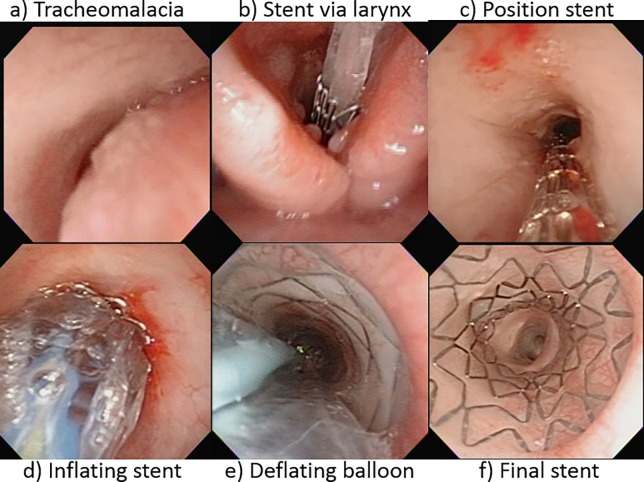
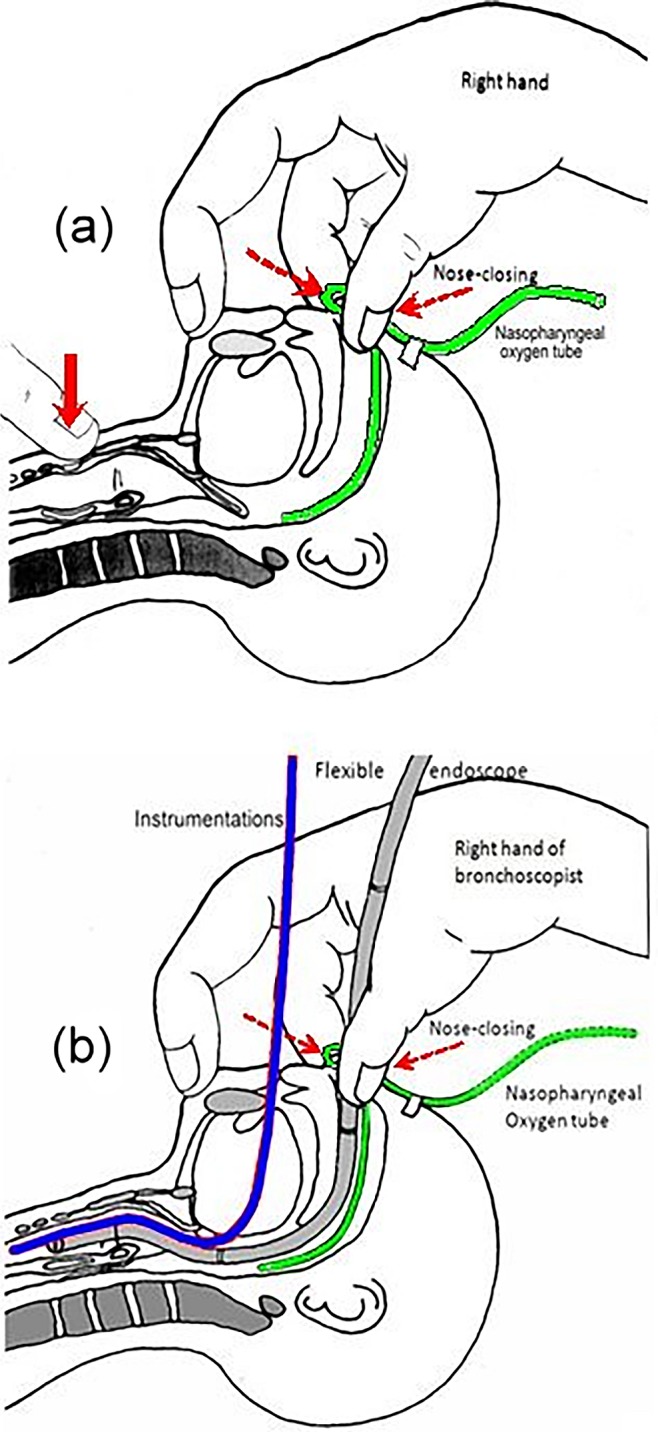
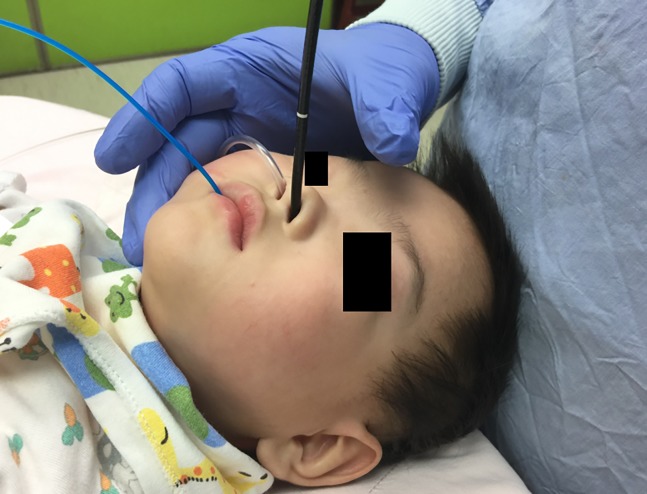
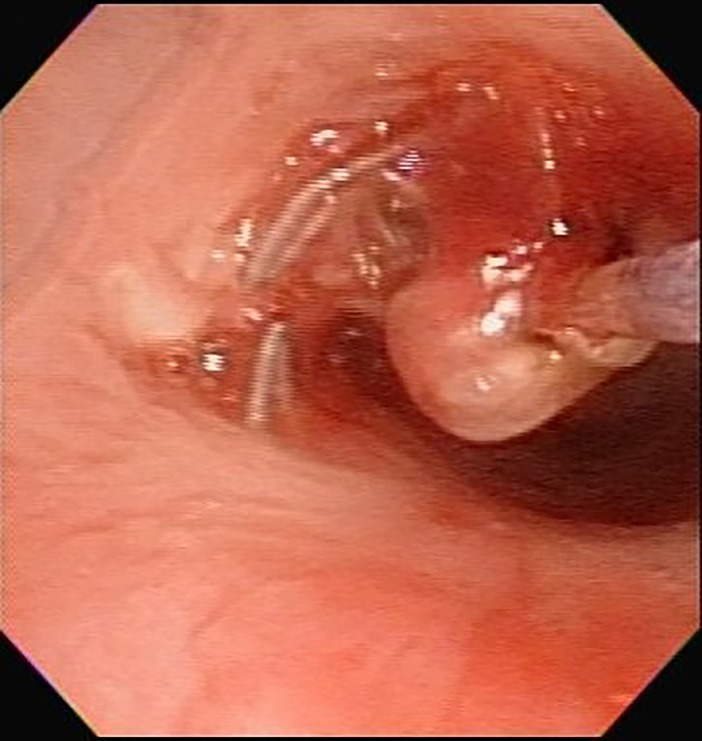
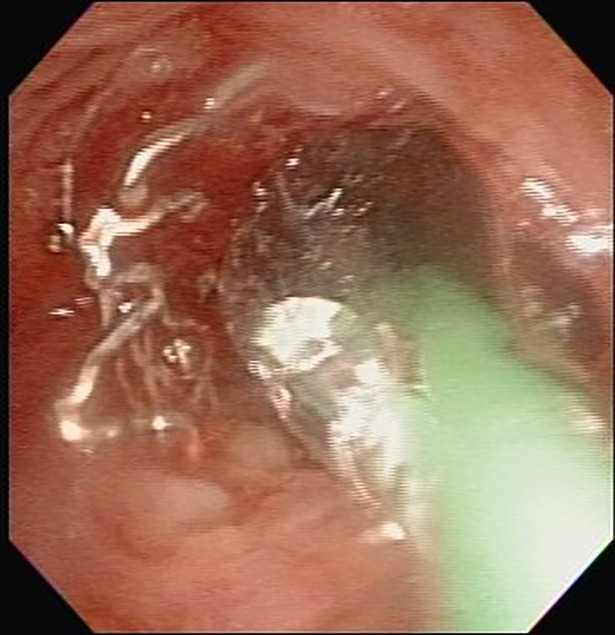
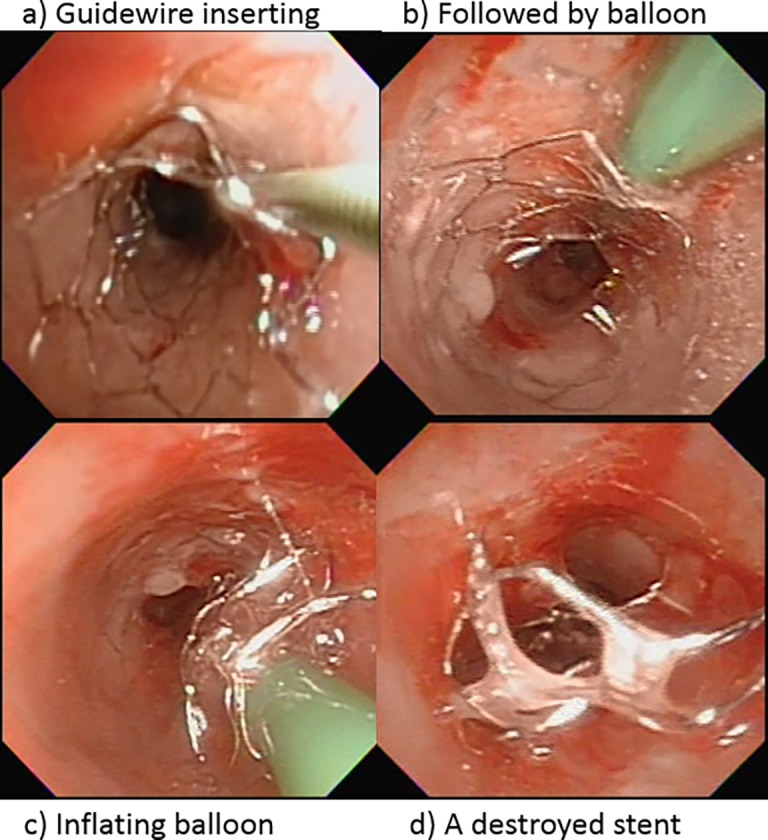
Methods: This is a retrospective review and analysis of all computerized medical records and related flexible endoscopy videos of pediatric patients who received TB BEMS during 20 years period, from January 1997 to December 2016. TFE techniques with forceps debridement, balloon dilatation and laser ablation were used to implant stents, perform regular surveillance, maintain their functions, and expand the diameters of BEMS. Short-length (30cm-36cm) endoscopes of OD 3.2mm to 5.0mm coupled with the noninvasive ventilation, without ventilation bag, mask or airway tube, supported the whole procedures.
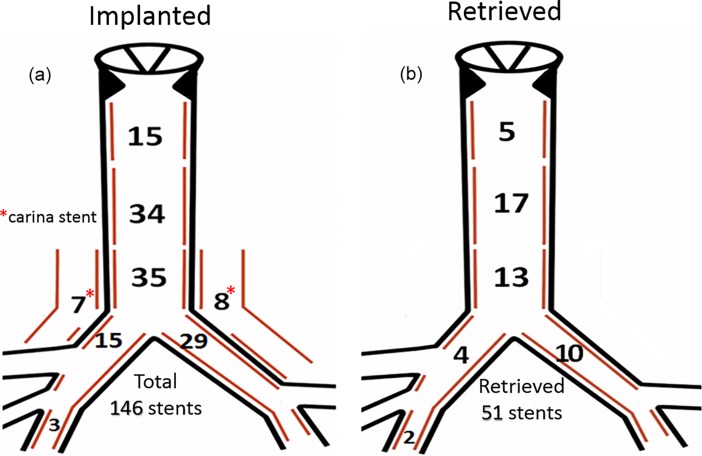
Results: 146 BEMS were implanted in 87 consecutive children, including 84 tracheal, 15 carinal and 47 bronchial stents. At the time of placement, the mean age was 35.6 ± 54.6 month-old (range 0.3-228) and the mean body weight was 13.9 ± 10.6 kg (range 2.2-60). Surveillance period was 9.4 ± 6.7 years (range, 0.3-18.0). Satisfactory clinical improvements were noted immediately in all but two patients. Seventy-two (82.8%) patients were still alive with stable respiratory status, except two patients necessitating TFE management every two months. Fifty-one stents, including 35 tracheal and 16 bronchial ones, were successfully retrieved mainly with rigid endoscopy. Implanted stents could be significantly (< .001) further expanded for growing TB lumens. The final stent diameters were positively correlated to the implanted duration. Altogether, 33 stents expired (15 patients), 51 were retrieved (40 patients), and 62 remained and functioning well (38 patients), with their mean duration of 7.4 ± 9.5, 34.9 ± 36.3 and 82.3 ± 62.5 months, respectively.
Conclusion: In pediatric patients, TFE with short-length scopes coupled with this NIV support has provided a safe, feasible and effective modality in placing and subsequently managing TB BEMS with acceptable long-term outcomes.
Conflict of interest statement
Figures
References
-
- Filler RM, Forte V, Chait P. Tracheobronchial stenting for the treatment of airway obstruction. J Pediatr Surg 1998; 33:304–311 - PubMed
-
- Fayon M, Donato L, de Blic J, Labbé A, Becmeur F, Mely L, et al. French experience of silicone tracheobronchial stenting in children. Pediatr Pulmonol 2005; 39:21–27 doi: 10.1002/ppul.20136 - DOI - PubMed
-
- Nicolai T, Huber RM, Reiter K, Merkenschlager A, Hautmann H, Mantel K. Metal airway stent implantation in children: follow-up of seven children. Pediatr Pulmonol 2001; 31:289–296 - PubMed
-
- Furman RH, Backer CL, Dunham ME, Donaldson J, Mavroudis C, Holinger LD. The use of balloon-expandable metallic stents in the treatment of pediatric tracheomalacia and bronchomalacia. Arch Otolaryngol Head Neck Surg 1999; 125:203–207 - PubMed
-
- Antón-Pacheco JL, Cabezalí D, Tejedor R, López M, Luna C, Comas JV, et al. The role of airway stenting in pediatric tracheobronchial obstruction. Eur J Cardiothorac Surg 2008; 33:1069–1075 doi: 10.1016/j.ejcts.2008.01.034 - DOI - PubMed
Publication types
MeSH terms
Supplementary concepts
LinkOut - more resources
Full Text Sources
Other Literature Sources
Medical
