


Geraniol Pharmacokinetics, Bioavailability and Its Multiple Effects on the Liver Antioxidant and Xenobiotic-Metabolizing Enzymes
- PMID: 29422862
- PMCID: PMC5788896
- DOI: 10.3389/fphar.2018.00018
Geraniol Pharmacokinetics, Bioavailability and Its Multiple Effects on the Liver Antioxidant and Xenobiotic-Metabolizing Enzymes
Abstract
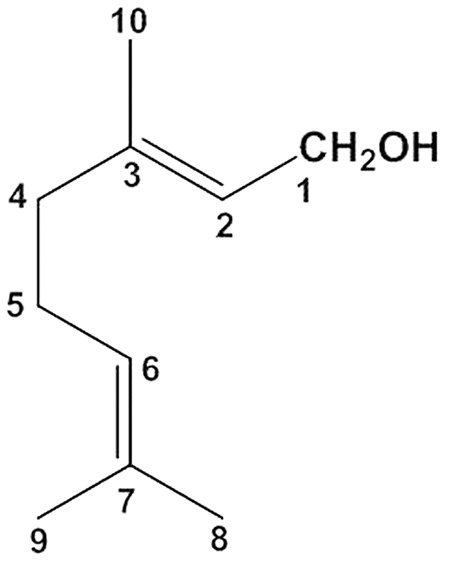
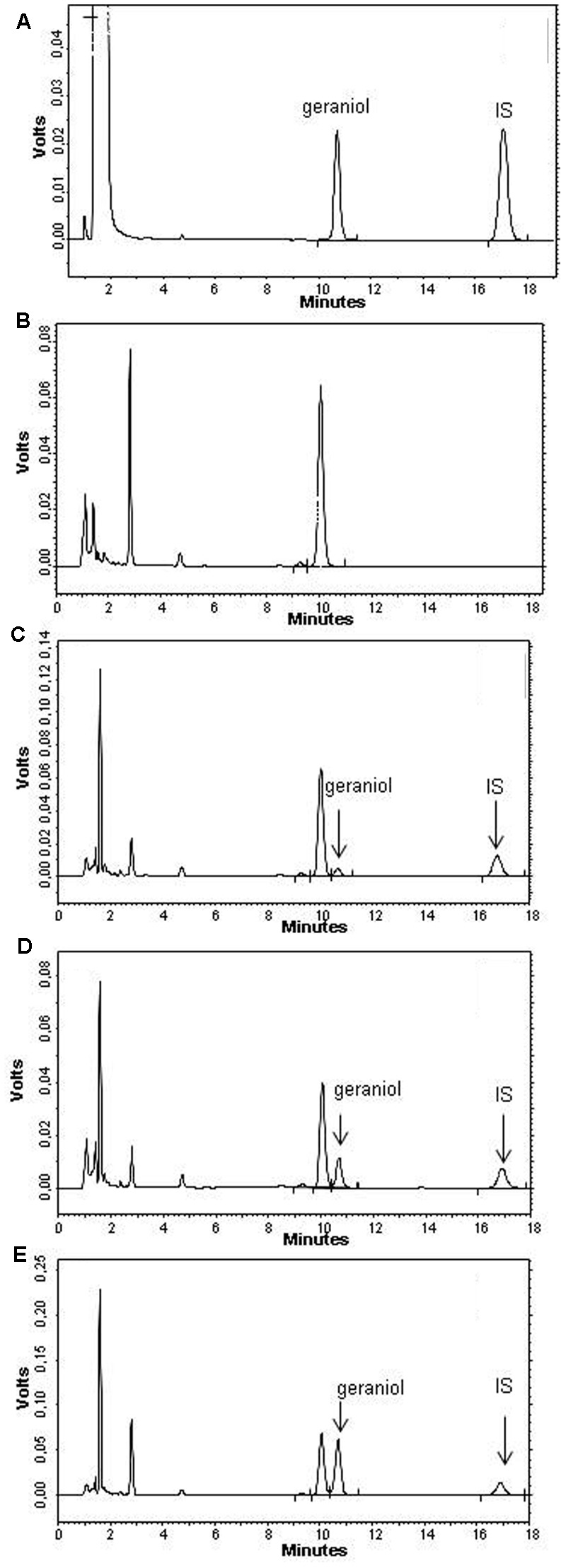
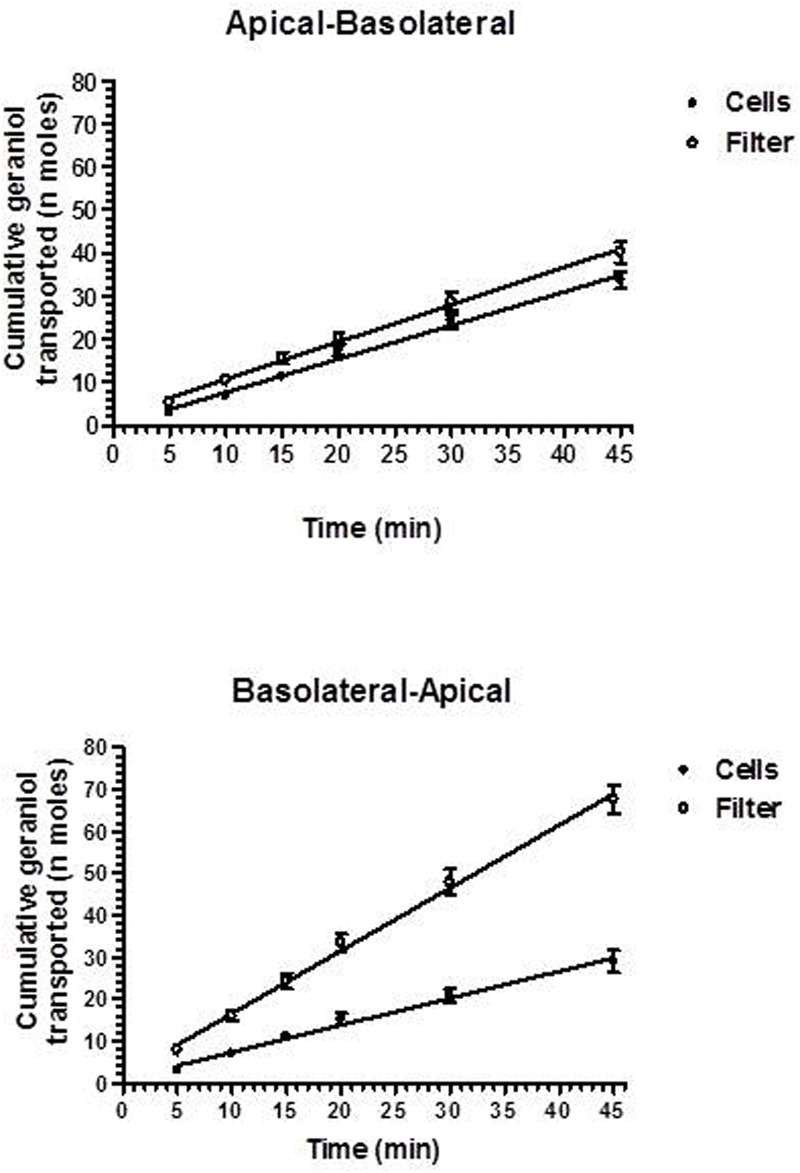
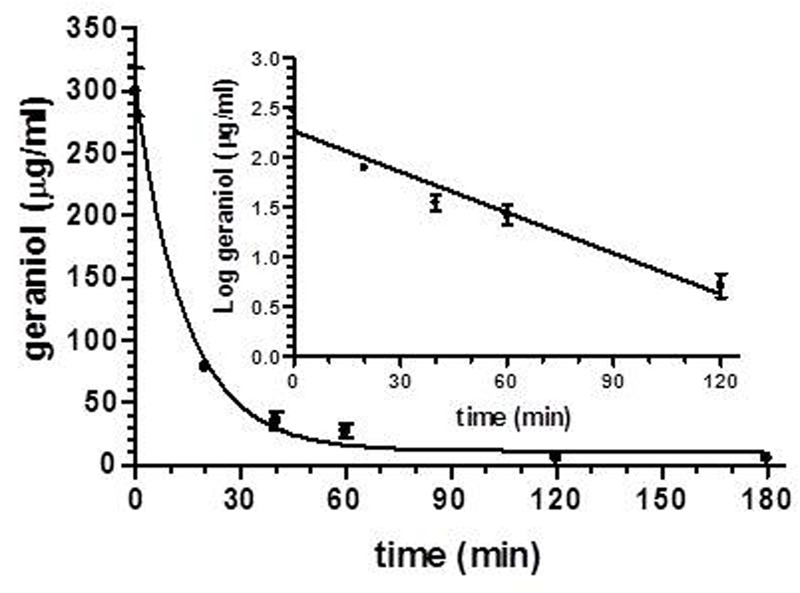
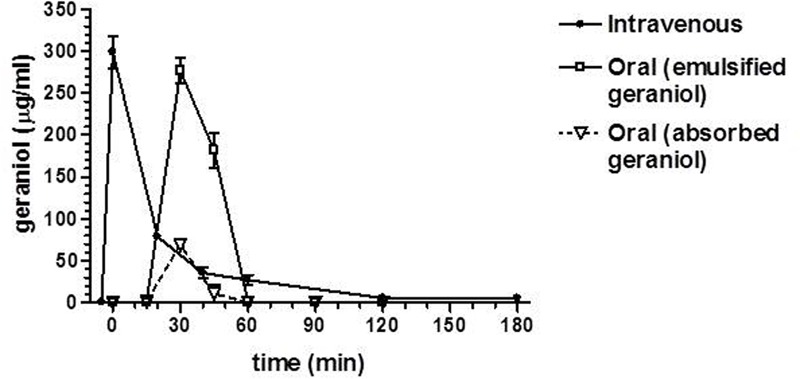
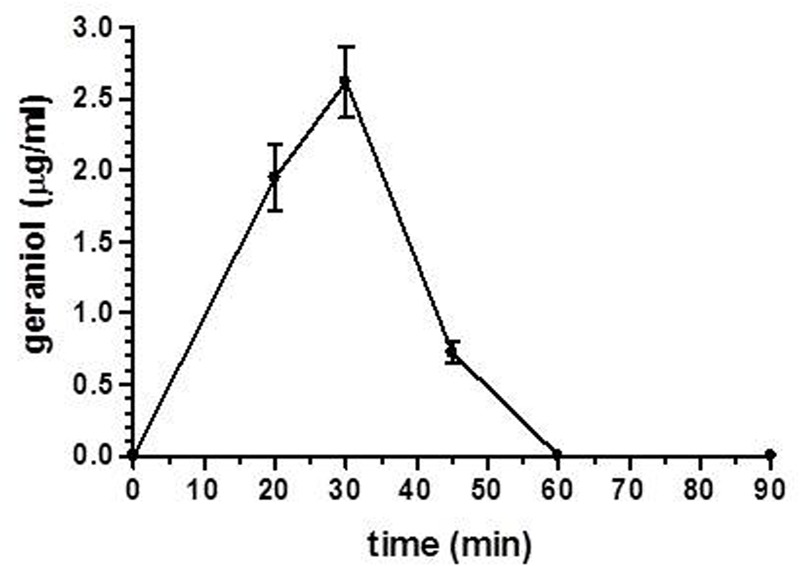
Geraniol is a natural monoterpene showing anti-inflammatory, antioxidant, neuroprotective and anticancer effects. No pharmacokinetic and bioavailability data on geraniol are currently available. We therefore performed a systematic study to identify the permeation properties of geraniol across intestinal cells, and its pharmacokinetics and bioavailability after intravenous and oral administration to rats. In addition, we systematically investigated the potential hepatotoxic effects of high doses of geraniol on hepatic phase I, phase II and antioxidant enzymatic activities and undertook a hematochemical analysis on mice. Permeation studies performed via HPLC evidenced geraniol permeability coefficients across an in vitro model of the human intestinal wall for apical to basolateral and basolateral to apical transport of 13.10 ± 2.3 × 10⁻³ and 2.1 ± 0.1⋅× 10-3 cm/min, respectively. After intravenous administration of geraniol to rats (50 mg/kg), its concentration in whole blood (detected via HPLC) decreased following an apparent pseudo-first order kinetics with a half-life of 12.5 ± 1.5 min. The absolute bioavailability values of oral formulations (50 mg/kg) of emulsified geraniol or fiber-adsorbed geraniol were 92 and 16%, respectively. Following emulsified oral administration, geraniol amounts in the cerebrospinal fluid of rats ranged between 0.72 ± 0.08 μg/mL and 2.6 ± 0.2 μg/mL within 60 min. Mice treated with 120 mg/kg of geraniol for 4 weeks showed increased anti-oxidative defenses with no signs of liver toxicity. CYP450 enzyme activities appeared only slightly affected by the high dosage of geraniol.
Keywords: bioavailability; geraniol; gut; pharmacokinetics; xenobiotic-metabolizing enzymes.
Figures

References
-
- Aitio A. (1978). A simple and sensitive assay of 7-ethoxycoumarin deethylation. Anal. Biochem. 85 488–491. - PubMed
-
- Amidon G. L., Lennernäs H., Shah V. P., Crison J. R. (1995). A theoretical basis for a biopharmaceutic drug classification: the correlation of in vitro drug product dissolution and in vivo bioavailability. Pharm. Res. 12 413–420. - PubMed
-
- Artursson P., Karlson J. (1991). Correlation between oral absorption in humans and apparent drug permeability coefficients in human intestinal epithelial (Caco-2) cells. Biochem. Biophys. Res. Commun. 175 880–885. - PubMed
-
- Bailey Y. L. (1967). Techniques in Protein Chemistry. Amsterdam: Elsevier.
LinkOut - more resources
Full Text Sources
Other Literature Sources
